Redesign Your Nursery in Asian Style with AI
Welcome to the future of interior design, where the ancient philosophies of Zen, Feng Shui, and Wabi-Sabi meet the limitless potential of artificial intelligence. At AI-Architectures.com, we empower you to reimagine your child's first environment—transforming a standard room into a serene, deeply calming Asian-inspired nursery tailored for optimal developmental peace.
The Intersection of Neuro-Architecture and Zen
When conceptualizing a space for an infant, the sensory environment plays a pivotal role in early cognitive development. Traditional nurseries often lean heavily on high-contrast colors and overwhelming stimuli. However, a growing body of spatial psychology—aligned with the ethos of AI-Architectures—suggests that minimalist, nature-inspired environments foster better sleep patterns and reduced anxiety for both the child and the parents.
Asian interior design, particularly Japanese minimalist (Japandi) and traditional Zen aesthetics, prioritizes natural materials, diffused lighting, and an uncluttered flow of energy (Qi). By utilizing our AI design models, you can seamlessly adapt these complex architectural principles to your exact floor plan, ensuring structural harmony without the need for an expensive traditional design firm.
Key AI-Driven Adjustments:
Material Mapping: Instantly visualize synthetic carpets replaced with organic tatami mats and sustainable bamboo flooring.
Light Diffusion: AI calculates optimal natural light pathways, suggesting Shoji-inspired window treatments to soften harsh sunlight.
Spatial Decompression: Algorithmic furniture placement ensures a minimalist footprint, creating "Ma" (negative space) essential for an Asian style nursery.
Witness the AI Transformation
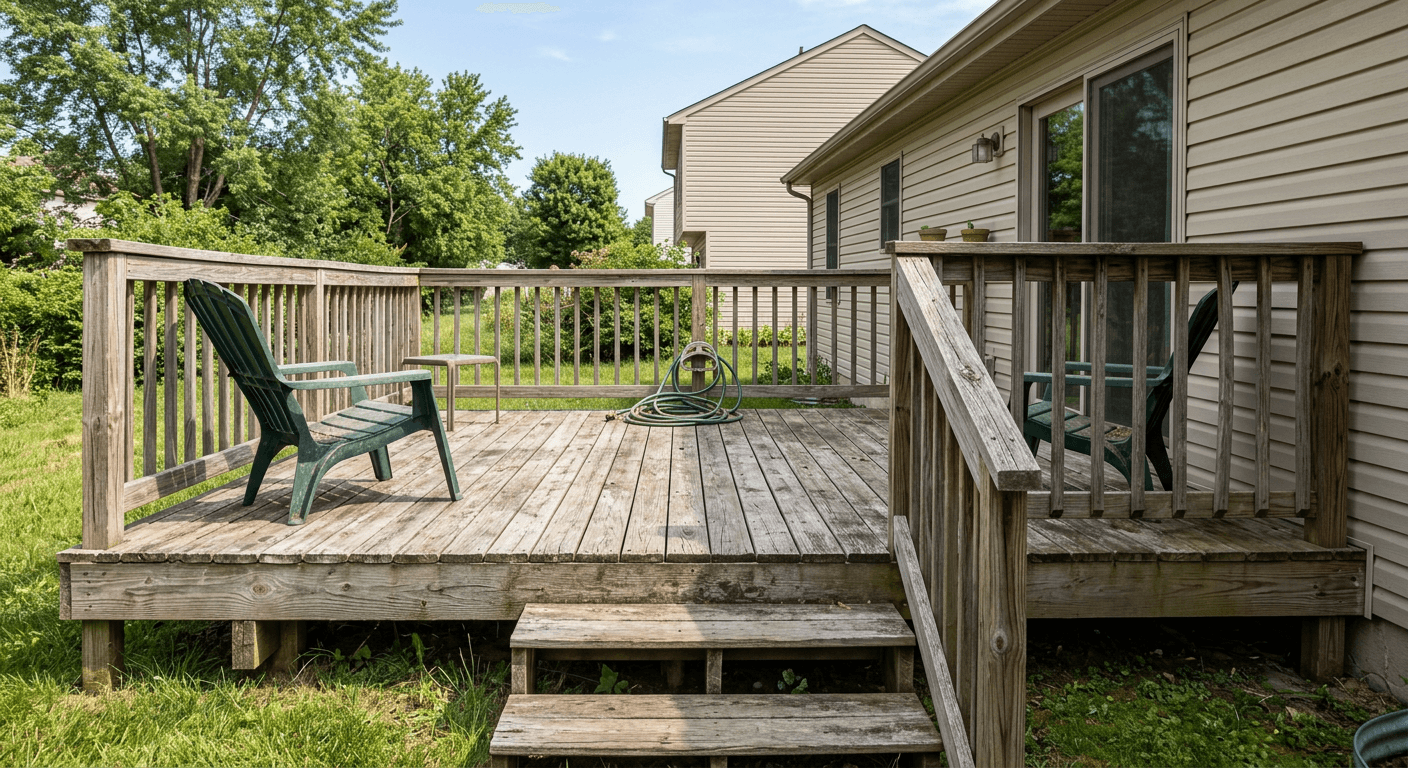
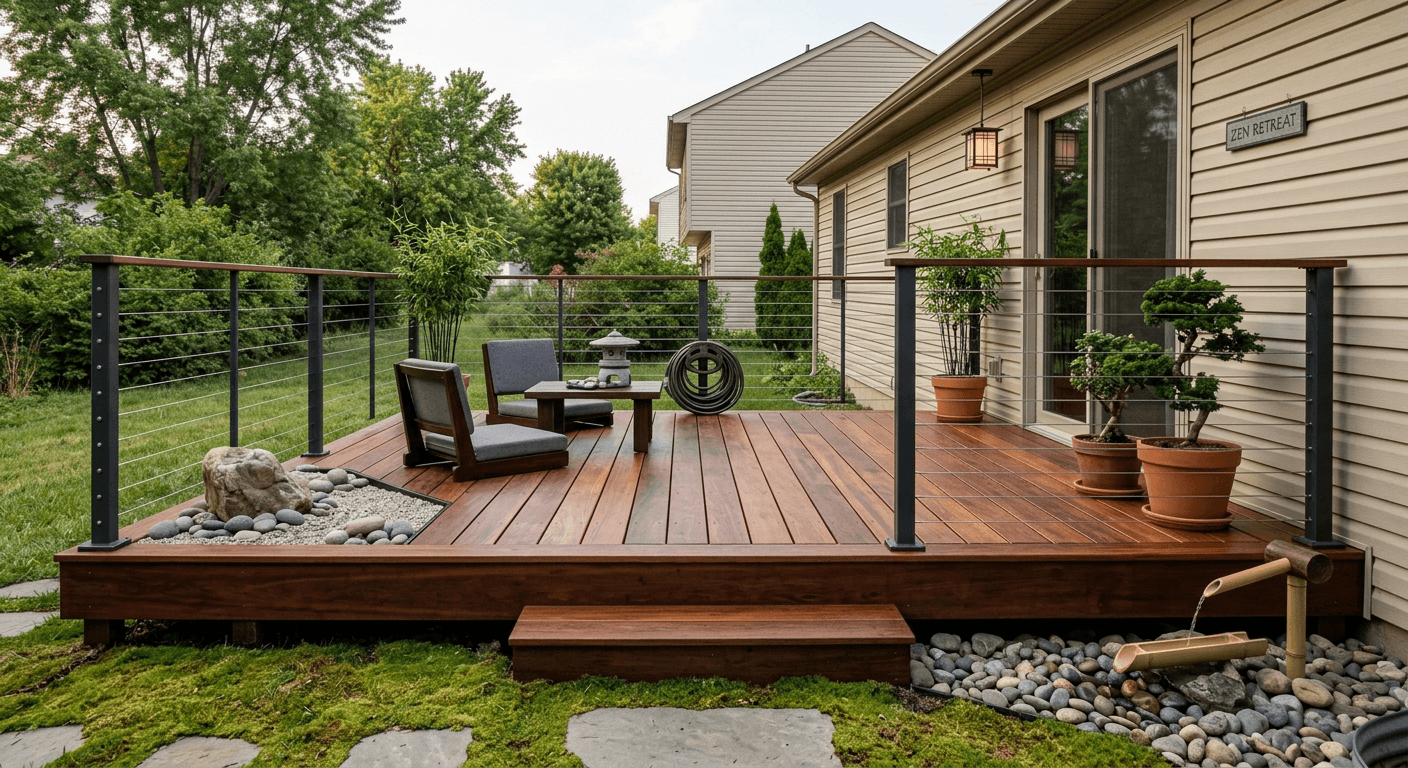
Our proprietary spatial rendering engine analyzes existing room structures and reimagines them. Observe how a generic, cluttered space is algorithmically transformed into a tranquil, culturally authentic Asian-style nursery.
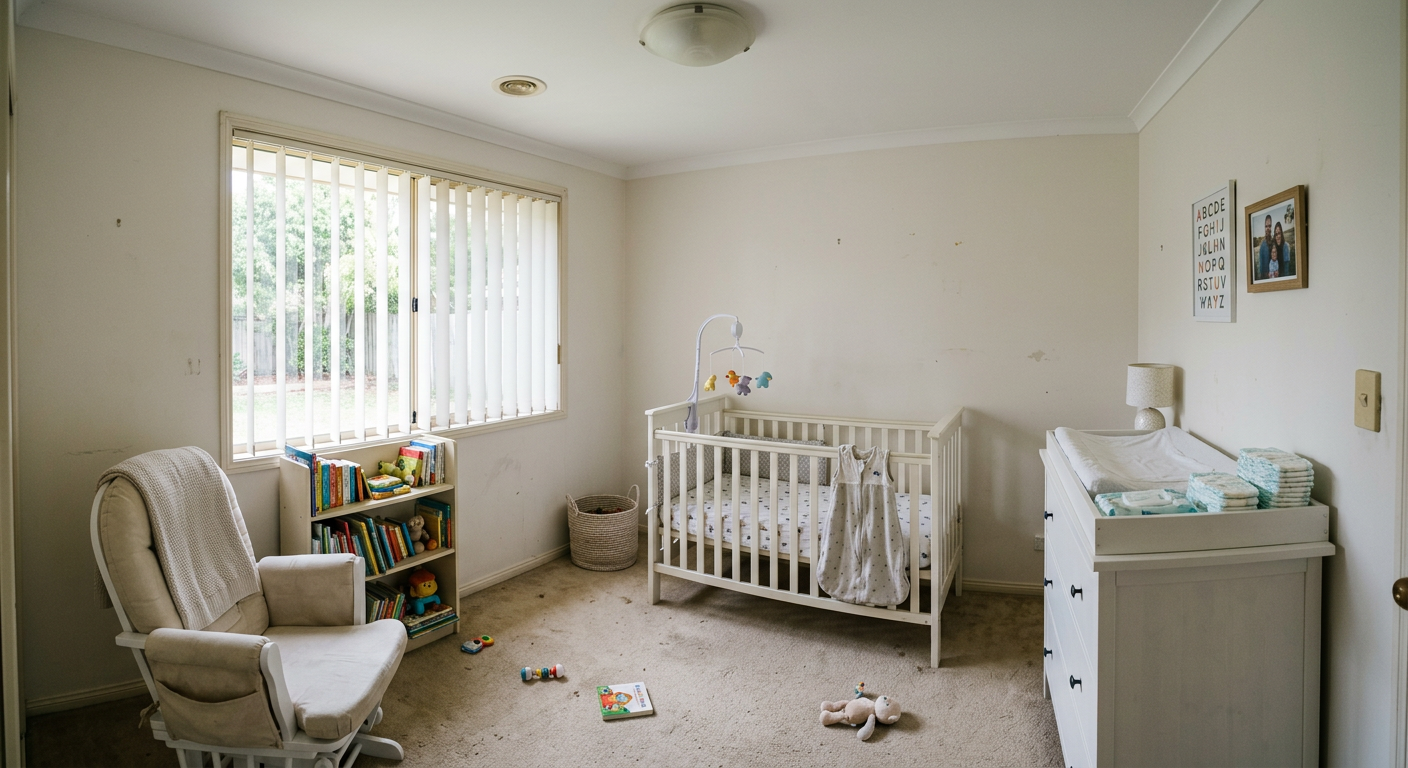
The Baseline Environment
A typical nursery layout constrained by standard Western design tropes. Characterized by mismatched furniture, harsh overhead lighting, synthetic textiles, and a lack of cohesive spatial flow. The environment, while functional, lacks the intentionality required for deep relaxation.

The AI-Architectures Generation
The space is entirely re-contextualized. The AI integrates low-profile, solid wood furnishings, introduces a calming monochromatic palette of warm earthy tones, and utilizes Wabi-Sabi textures. Soft, ambient lantern lighting replaces harsh bulbs, establishing an atmosphere of absolute tranquility.
Core Elements of an Asian-Inspired AI Nursery
1. The Principle of Wabi-Sabi (Imperfect Beauty)
Moving away from the hyper-polished, plastic-heavy aesthetic of modern nurseries, our AI emphasizes Wabi-Sabi. This translates to organic materials with natural imperfections: raw linen crib skirts, hand-carved wooden changing tables, and woven rattan baskets. The algorithm intelligently scans your room dimensions to suggest material swaps that honor this philosophy without compromising modern safety standards.
2. Feng Shui and Spatial Harmony
Positioning the crib is critical. AI-Architectures utilizes advanced spatial mapping to determine the "command position" of the room, ensuring the crib is placed where the infant feels most secure—typically diagonally opposite the door but not directly in line with it. Our AI evaluates doorways, windows, and structural angles to optimize the flow of energy, creating a sanctuary that feels inherently safe.
3. Shoji Geometry and Light Attenuation
Harsh lighting disrupts an infant's circadian rhythm. Our generative models excel at simulating lighting conditions. By prompting the AI for an Asian-style redesign, it will introduce translucent paper screens (Shoji) and Noguchi-inspired paper lanterns. These elements diffuse harsh light into a soft, ambient glow, mimicking the gentle transition of a setting sun.
4. Grounding with Tatami and Low Profiles
Asian architecture maintains a strong connection to the earth. The AI redesign lowers the visual center of gravity in the room. High, imposing bookshelves are replaced with low-profile Montessori-style storage that aligns with Japanese design sensibilities. Integrating textures akin to Tatami grass mats provides a soft, acoustic-dampening floor perfect for crawling and early exploration.
How to Guide the AI for the Perfect Zen Nursery
AI-Architectures leverages complex language models mapped to high-fidelity image rendering. To get the best results when designing your Asian-style nursery, prompt engineering is key.
Define the Base Style
Start your prompt by defining the cultural aesthetic. Use keywords like "Japanese Minimalist", "Modern Zen", or "Japandi Nursery". This sets the architectural framework for the algorithm.
Specify Materials
AI thrives on specific material inputs. Instruct the tool to utilize "natural bamboo wood," "rice paper lanterns," "tatami mat textures," and "unbleached cotton linens" to ensure organic texturing.
Establish the Mood
Lighting and atmosphere make the room. Include atmospheric prompts such as "warm diffused afternoon lighting," "serene and calming atmosphere," and "clutter-free minimalist layout."
Begin Your Design Journey
Ready to see the potential of your own space? Use our interactive AI architect below. Upload a photo of your current nursery, and let our proprietary engine rebuild it in perfect Asian-style harmony.