Redesign Your Deck in Zen Style with AI
At AI Architectures, we bridge the gap between ancient design philosophies and the bleeding edge of artificial intelligence. Discover how to instantly transform cluttered, uninspired outdoor spaces into breathtaking Zen sanctuaries characterized by natural harmony, minimalism, and profound tranquility.
Want any deck style, size or material, not only Zen? Use the AI deck designer: upload a photo of your house and see a new deck on it in about 30 seconds.
Want a different style, size or material? The AI deck designer puts any new deck on a photo of your own house.
The Power of Generative Architecture
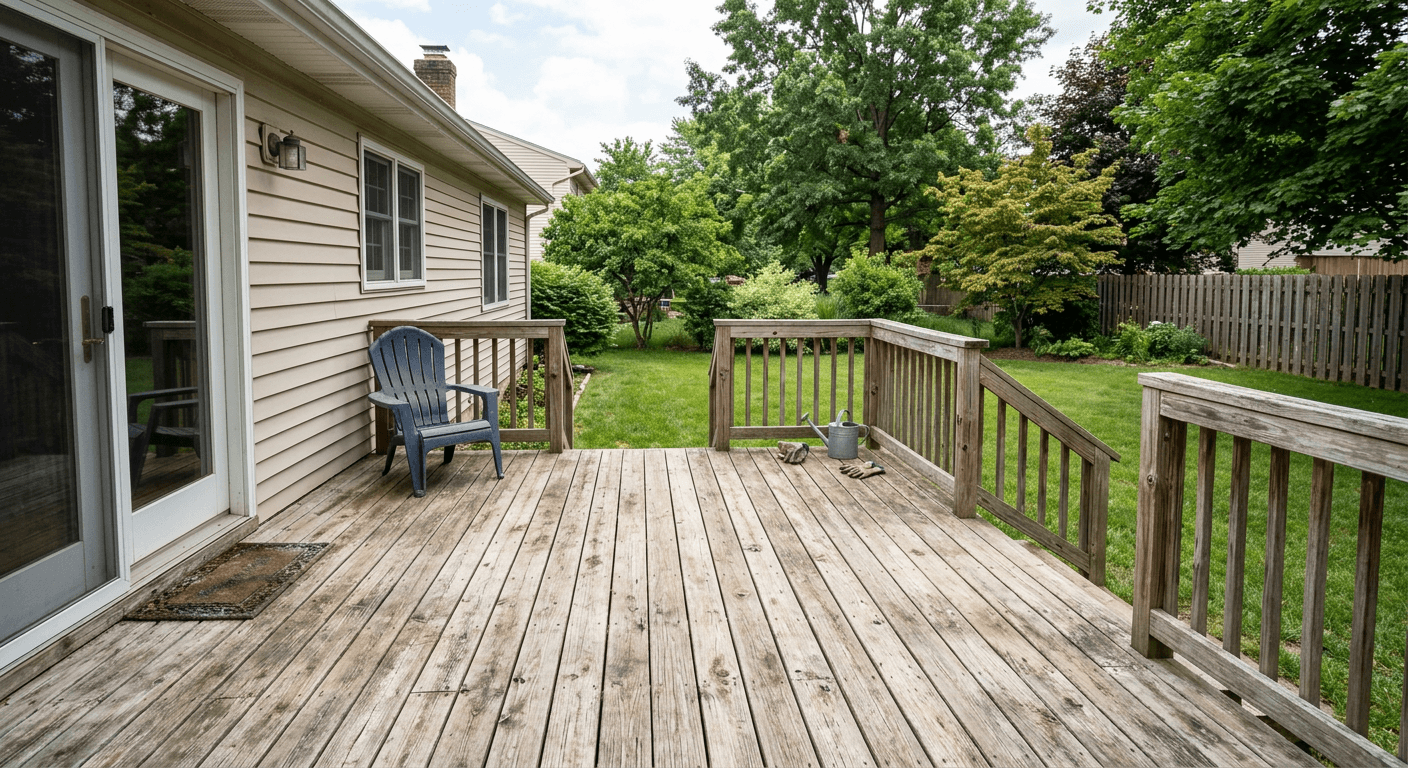
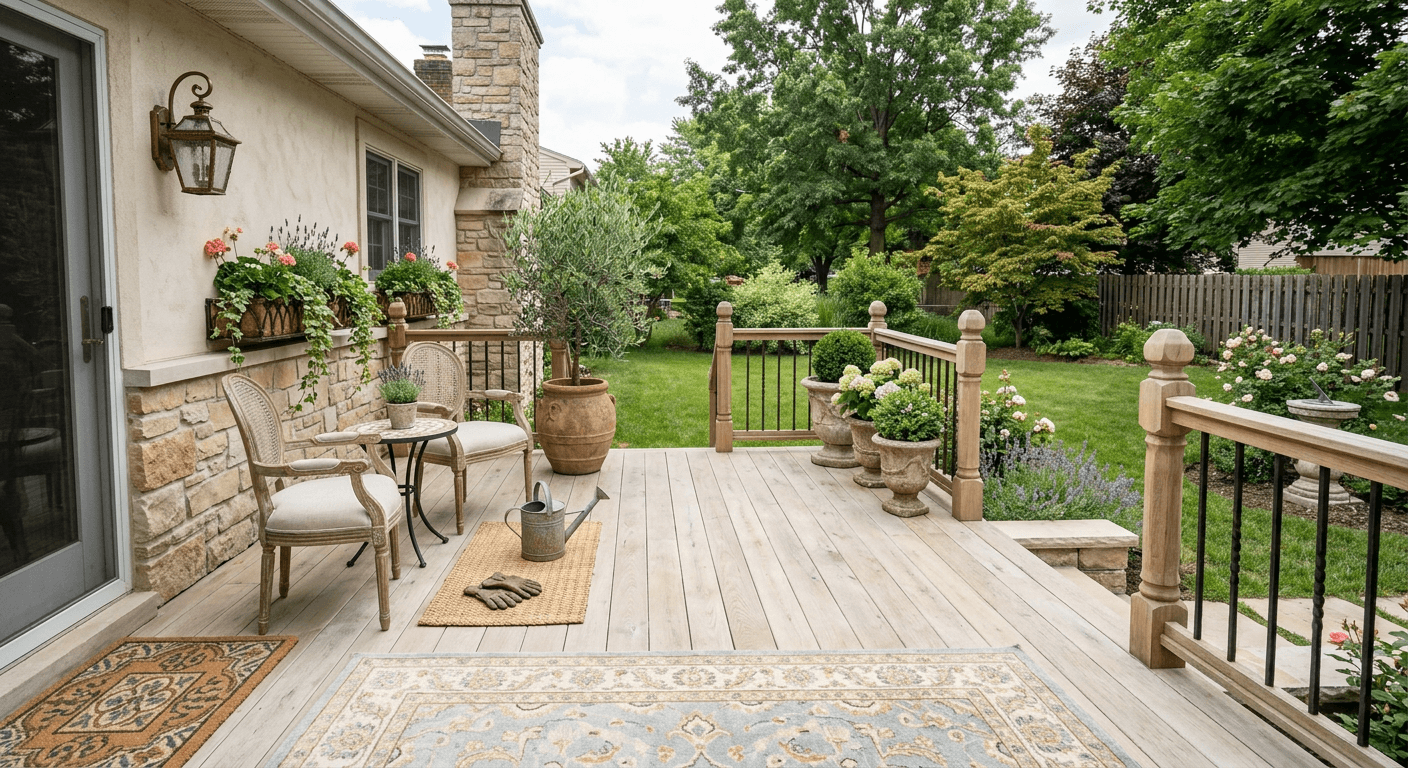
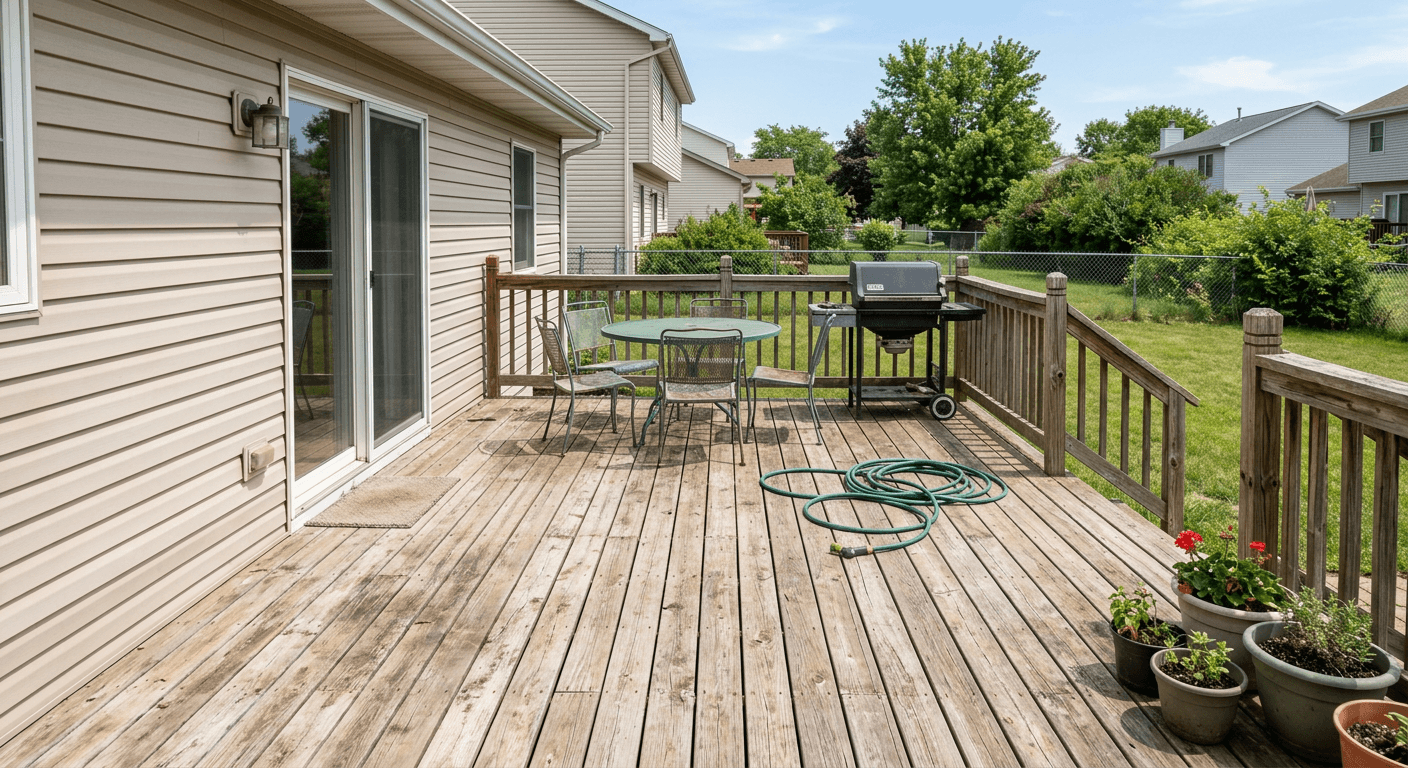
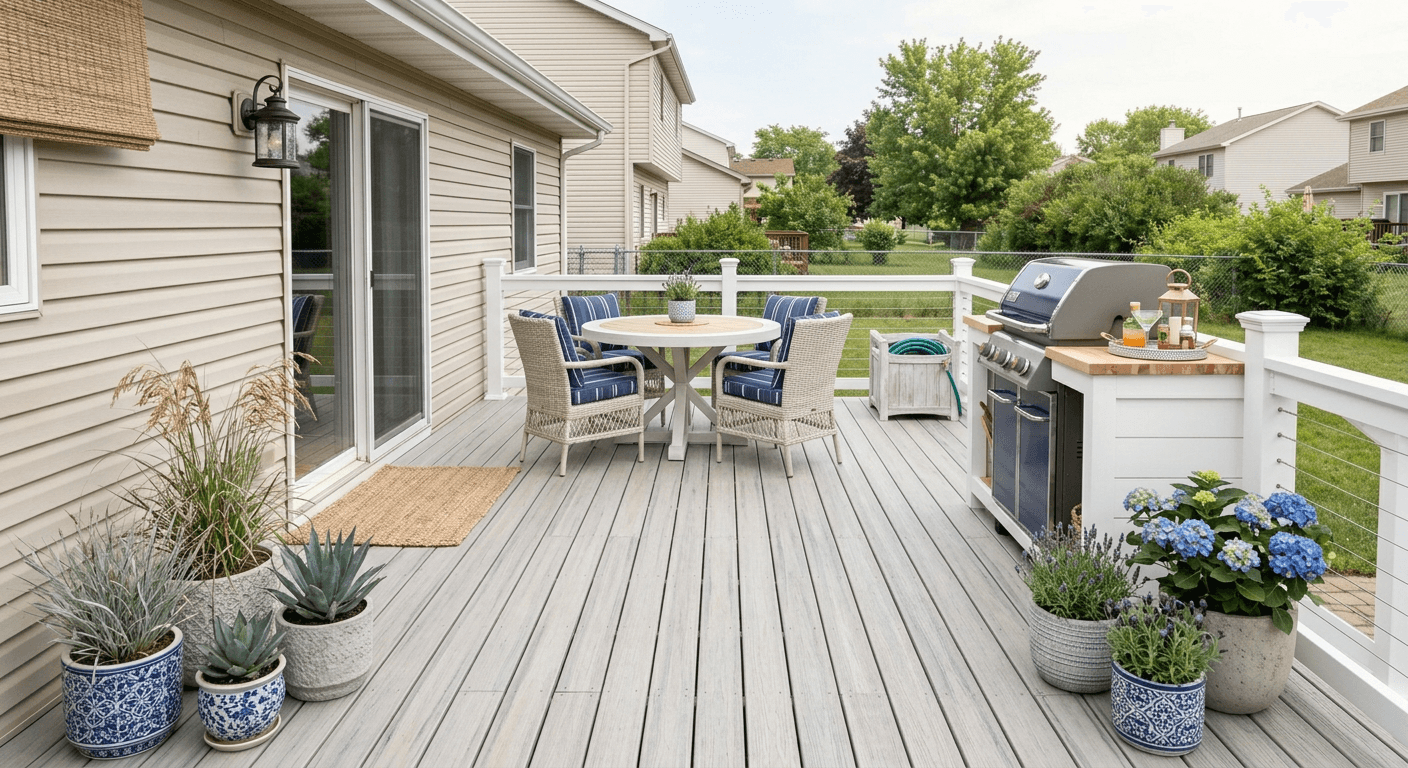
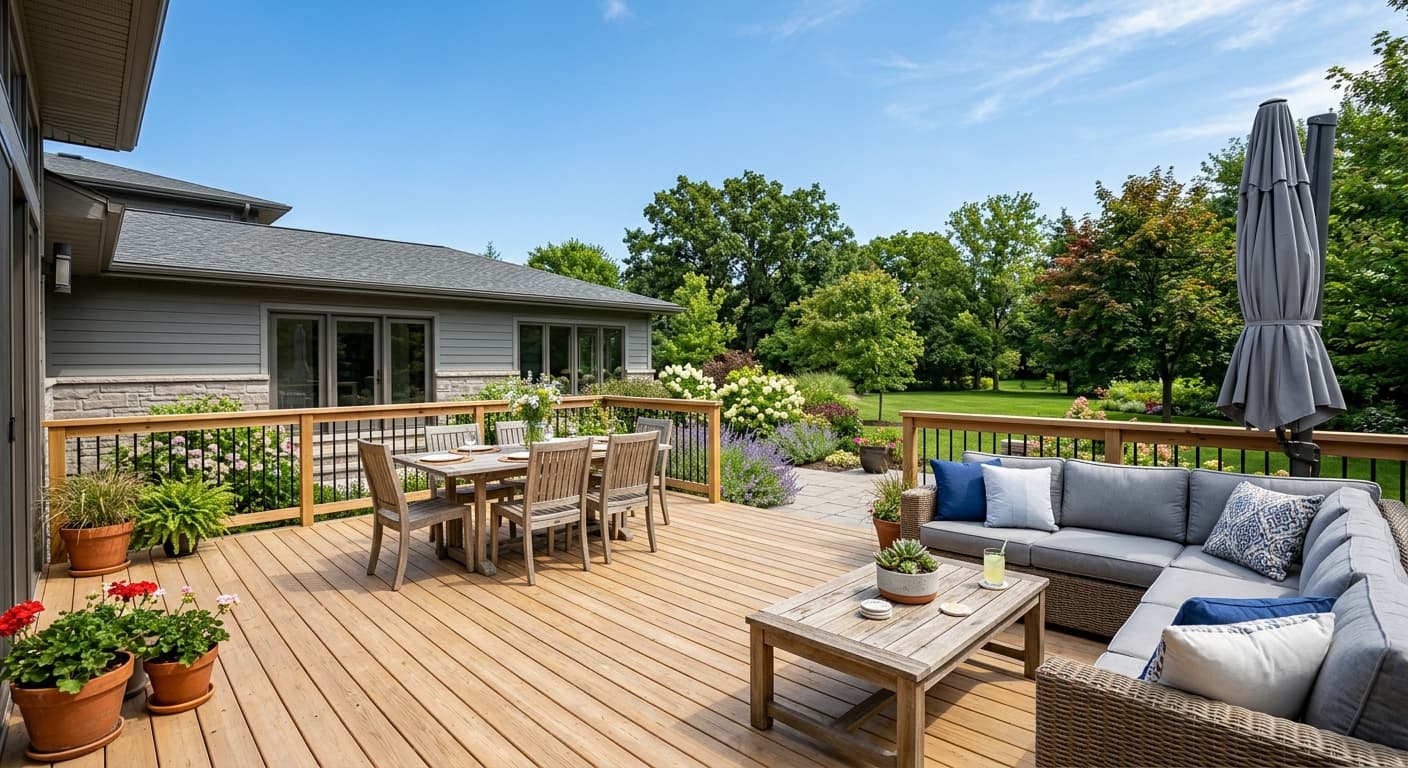
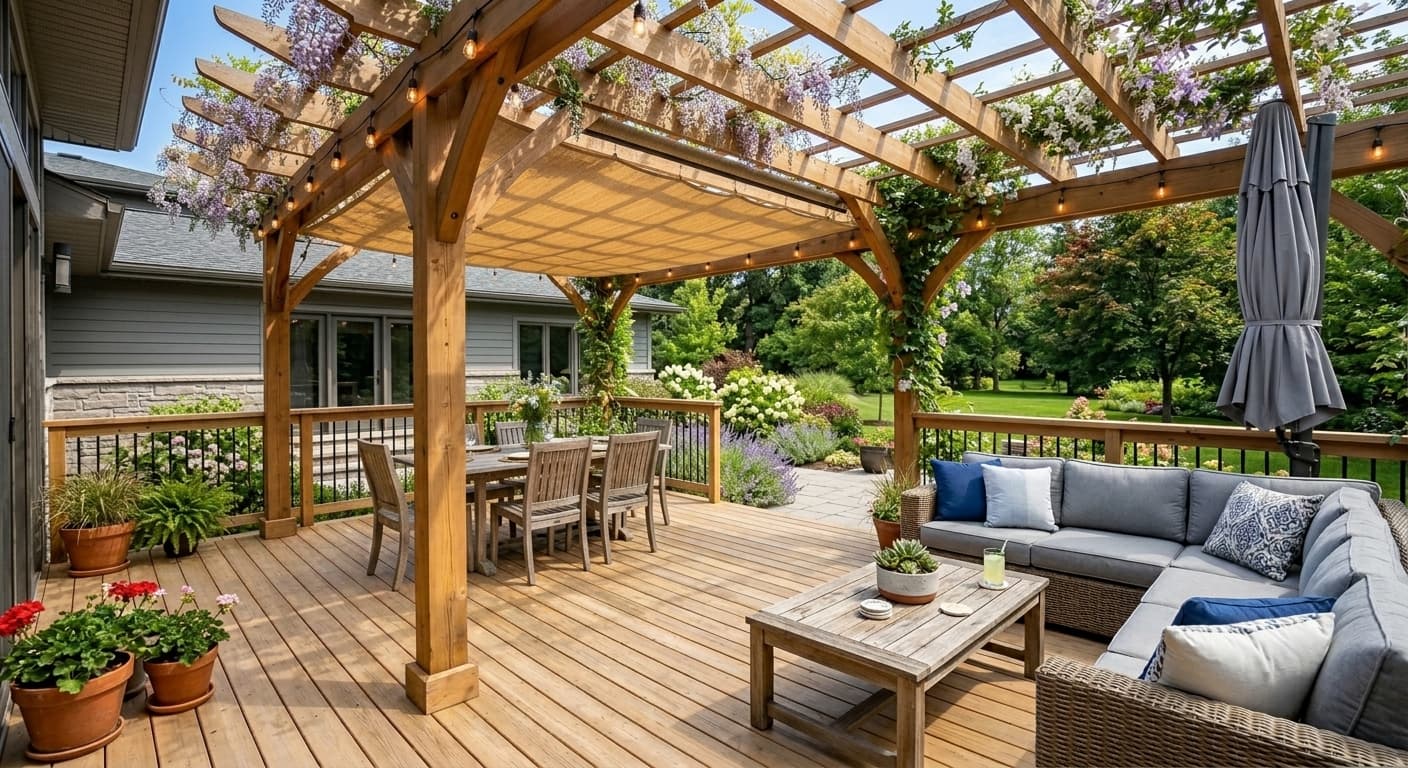
Witness the seamless transition from a standard outdoor platform to a meticulously curated Zen environment. Our AI understands complex spatial relationships, lighting physics, and the delicate balance of organic materials.
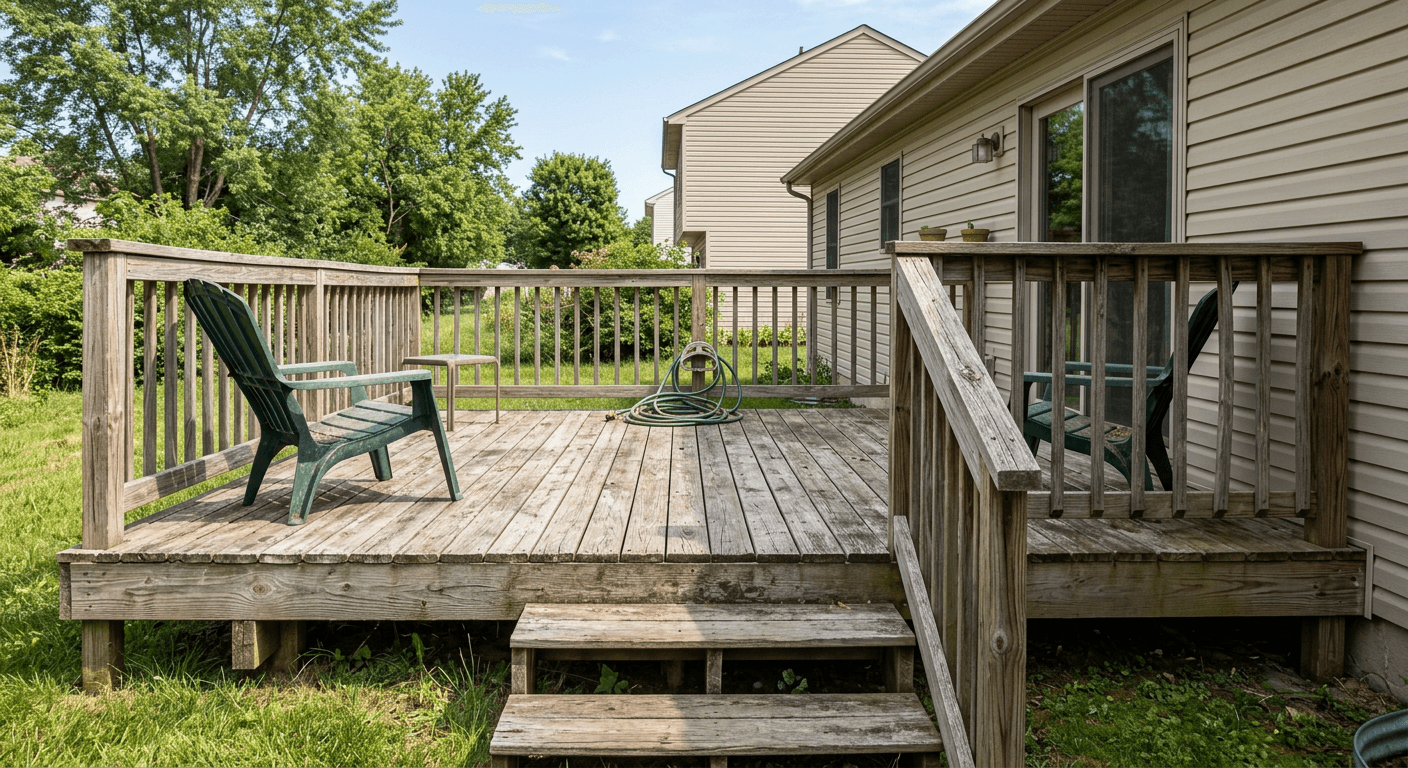
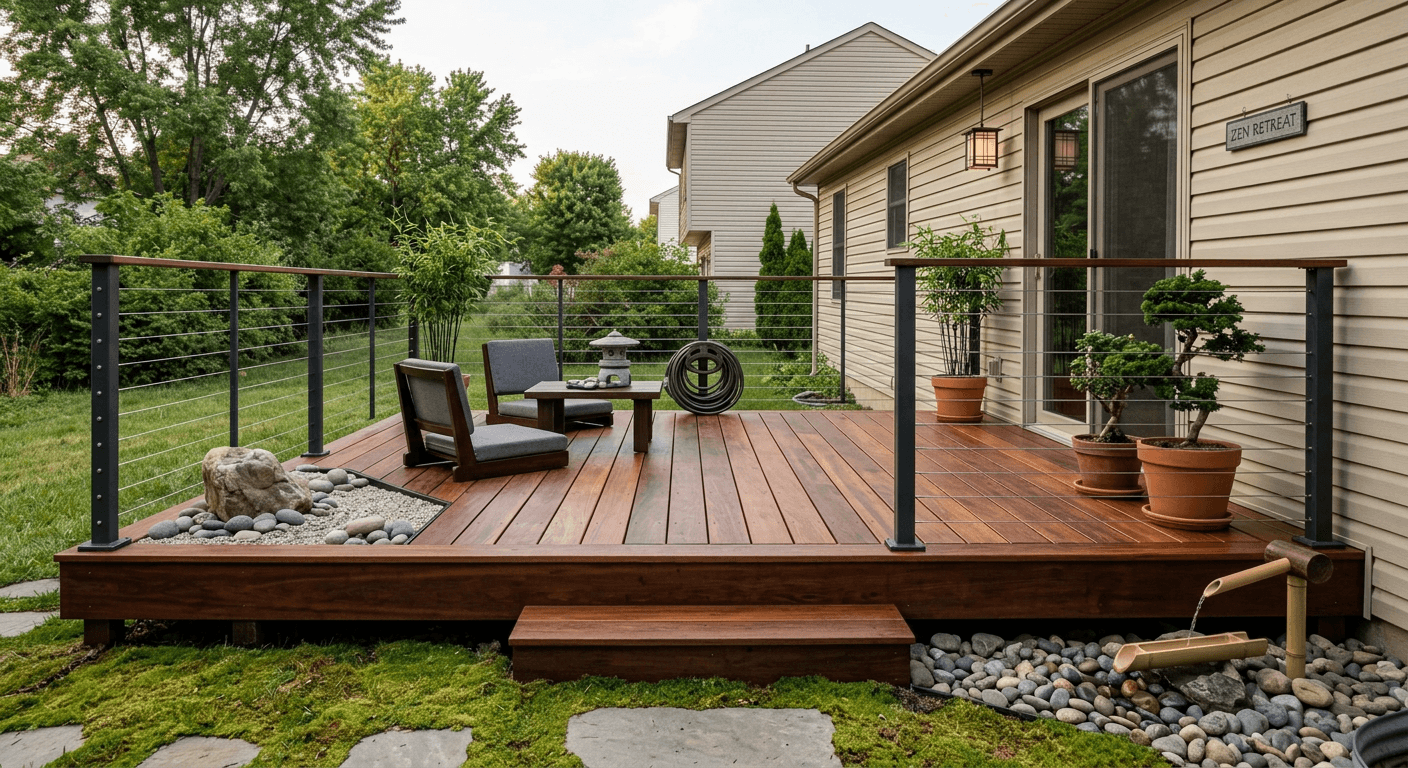
Decoding the Zen Aesthetic in AI Architectural Design
The traditional Japanese Zen garden—or karesansui—was meticulously crafted to facilitate meditation and inward reflection. When we talk about a "Zen style deck" in modern architectural contexts, we are adapting these ancient principles into functional outdoor living spaces. At AI Architectures, our diffusion models are specifically trained on high-end architectural photography, allowing them to instantly grasp the nuances of wabi-sabi (finding beauty in imperfection) and minimalist spatial arrangement.
Material Intelligence
AI effortlessly swaps standard treated lumber for rich, organic materials. Instruct the AI to render composite decking that mimics Ipe or Hinoki cypress, paired with unpolished river stones and Corten steel planters. The AI handles the complex texturing instantly.
Dynamic Photometry
A Zen space is defined by its shadows. Our engine accurately simulates ambient occlusion, soft diffused LED uplighting beneath floating benches, and the dappled sunlight filtered through a Japanese Maple canopy.
Mastering Prompt Engineering for Zen Architecture
To get the most out of AI Architectures when redesigning your deck, your prompt must balance structural commands with atmospheric intent. Instead of typing "make my deck look nice," approach the AI as if you are briefing a master landscape architect.
- 1
Define the Geometry
Zen design relies on clean, unobstructed lines. Ask the AI to "remove structural clutter and introduce low-profile, floating deck platforms with hidden joinery."
- 2
Incorporate the Five Elements
Specify the integration of Wood, Fire, Earth, Metal, and Water. Example: "Add a corten steel fire bowl, resting on a bed of dark basalt gravel, adjacent to a gently flowing bamboo water spout."
- 3
Establish Boundaries (Shakkei)
Utilize the concept of Shakkei (borrowed scenery). Prompt the AI to "blend the edges of the deck into the surrounding natural landscape using horizontal slat privacy screens that frame the distant trees."
Why AI is the Future of Landscape and Deck Architecture
For decades, visualizing a major architectural change required expensive 3D rendering software, days of computation, and back-and-forth iterations with designers. Today, AI Architectures democratizes spatial design. By utilizing advanced image-to-image AI pipelines, homeowners, contractors, and landscape architects can iterate through dozens of high-fidelity Zen designs in seconds.
Whether you are looking to create an intimate corner for morning yoga, a minimalist entertainment space, or a profound garden sanctuary, our AI models decode your spatial constraints and offer mathematically sound, aesthetically flawless redesigns. Embrace the quiet confidence of Zen minimalism, backed by the unparalleled power of artificial intelligence.