Why Visualizing Custom Millwork is a Game-Changer for Interior Architecture
Integrating custom built-in bookshelves and high-end cabinetry into a living room is one of the most impactful design decisions a homeowner or interior architect can make. However, bespoke millwork is a significant investment. Traditional design processes rely on flat 2D blueprints or simplistic 3D wireframes that often fail to convey the true texture, scale, and atmospheric impact of the final installation.
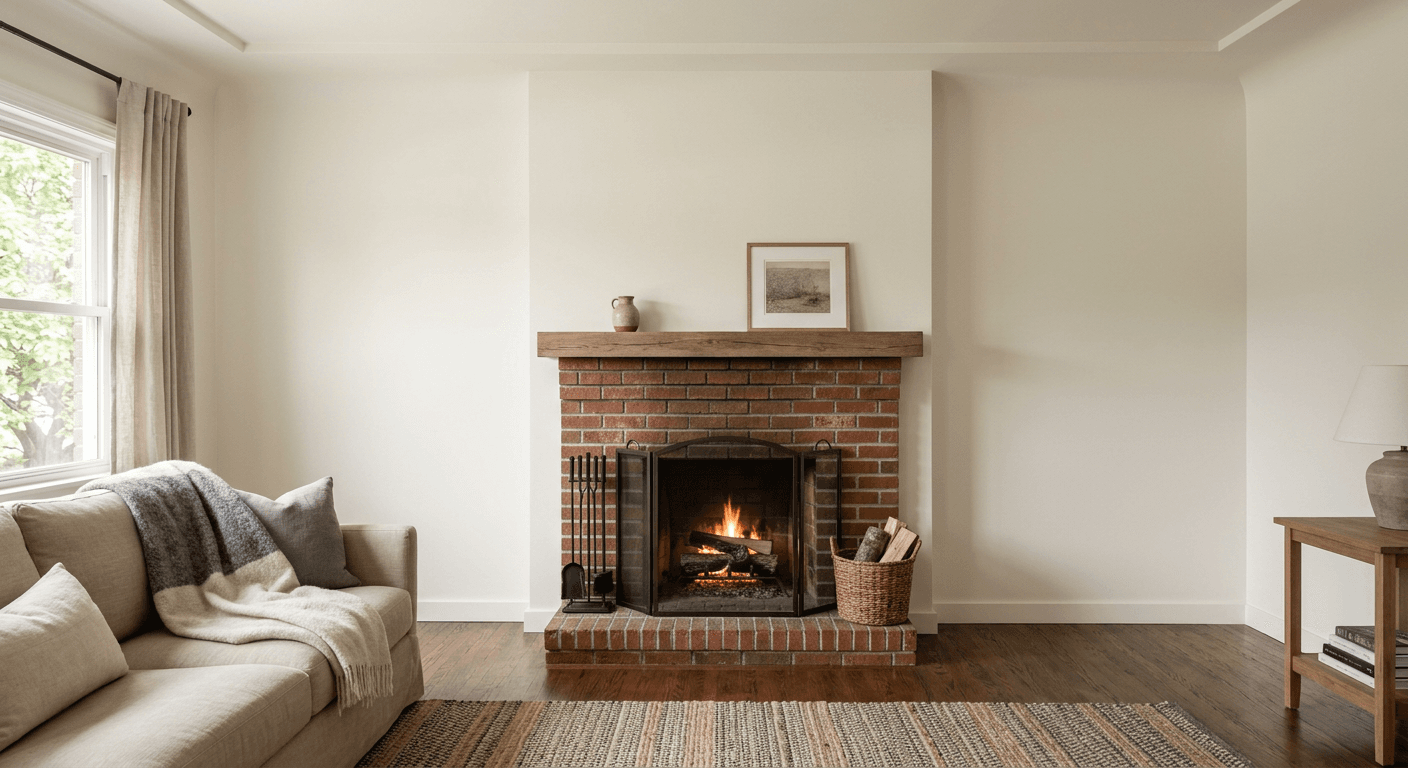
At ai-architectures.com, we believe that you should experience the luxury of your design before committing to construction. By visualizing your custom built-ins first, you eliminate the guesswork associated with depth profiling, hardware selection, and lighting integration.
Eliminating Design Friction with Instant Iteration
Will dark ebony wood overwhelm the room's natural light? Should the lower cabinetry feature flat-panel doors for a modern minimalist look, or intricate shaker-style detailing for a transitional feel? Should the bookshelves extend all the way to the ceiling with a rolling library ladder, or maintain a floating aesthetic?
- ✓Material Experimentation: Instantly swap between rich mahogany, pale white oak, matte painted finishes, or high-gloss lacquers.
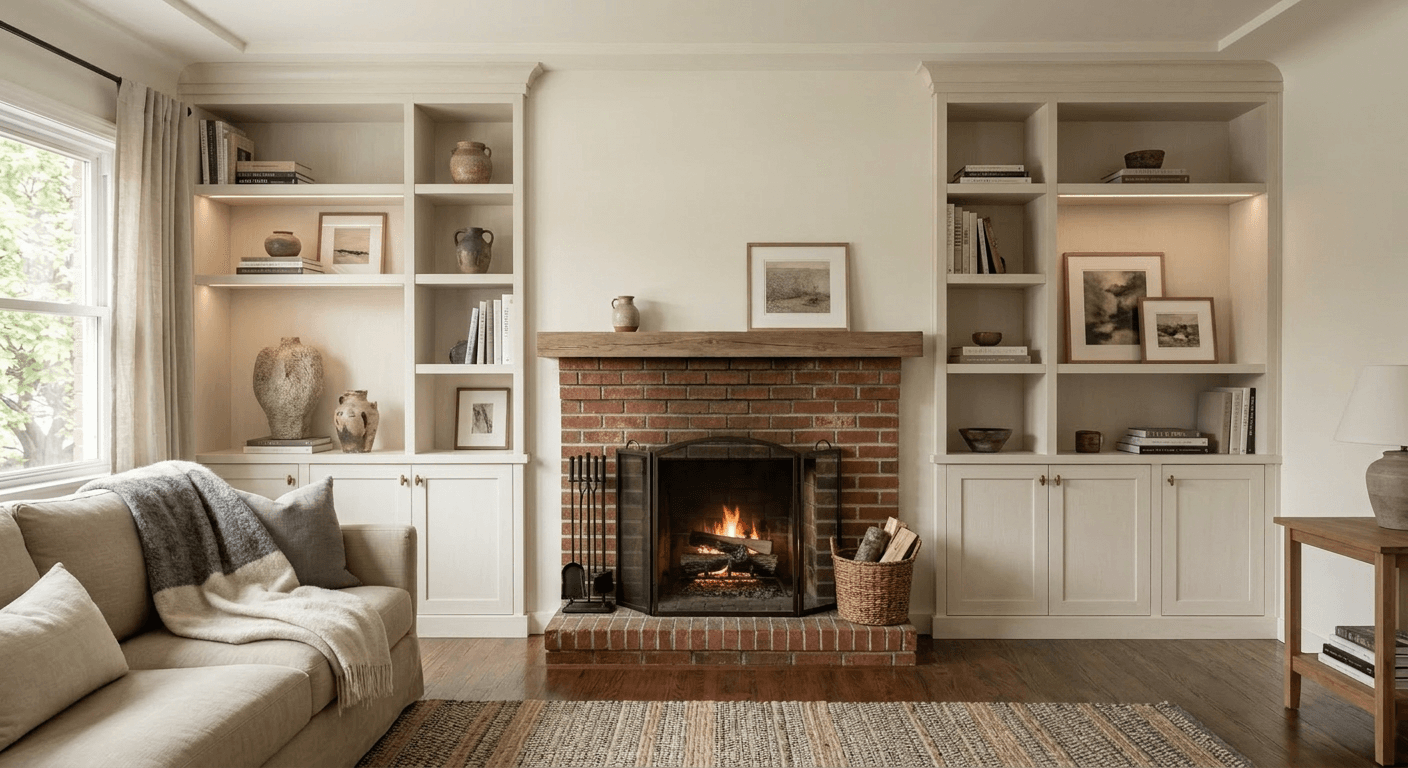
- ✓Lighting Integration: Visualize the exact mood created by recessed LED strip lighting under shelves or dramatic picture lights mounted on the header.
- ✓Scale and Proportion: Ensure your cabinetry dimensions harmonize perfectly with existing architectural features like fireplaces, windows, and ceiling heights.
Achieving a High-End Look Through Architectural Harmony
A truly high-end living room relies on the principle of architectural harmony. Built-in shelving shouldn't look like furniture pushed against a wall; it should appear as if the home was originally constructed around it. By utilizing our AI architectural visualization engine, you can generate photorealistic concepts that factor in baseboard integration, crown molding continuity, and seamless ceiling transitions.
Whether your aesthetic leans toward the opulent detailing of classic European libraries or the ultra-clean lines of contemporary Scandinavian design, visualizing the custom built-ins allows you to curate a space that is profoundly personal and undeniably luxurious. The subtle interplay of shadow and light across your envisioned shelves can now be tested and perfected, ensuring your final build is nothing short of spectacular.
The ROI of Bespoke Built-Ins
Beyond pure aesthetics, high-quality custom cabinetry is one of the few interior upgrades that offer a tangible return on investment. Real estate experts consistently note that buyers view custom built-in bookshelves and media centers as premium upgrades. By leveraging AI to visualize and perfect the design beforehand, you ensure maximum spatial efficiency and a flawless aesthetic execution, thereby increasing both the intrinsic and market value of your property.