The Dynamic Range Dilemma in Architectural Photography
Capturing interior spaces has historically presented a fundamental optical challenge: the human eye possesses a dynamic range vastly superior to conventional camera sensors. When photographing a living room with large architectural windows on a bright day, a single exposure forces a compromise. You must either expose for the dark interior—resulting in "blown-out," pure white windows that erase the exterior landscape—or expose for the view outside, plunging the carefully designed interior into muddy, unrecoverable shadows.
Traditional workflows dictated exposure bracketing: mounting the camera on a tripod, capturing three to seven varying exposures, and utilizing complex software to manually mask and blend a "window pull." This process is incredibly time-consuming, requires specialized skills, and often results in artificial-looking, hyper-edited final images that detract from the authenticity of the architecture.
Why Single-Exposure HDR is a Game Changer:
- Zero Bracketing Required: Shoot handheld or move quickly through spaces without waiting for multiple bracketed shots.
- Instant Window Pulls: AI instantly detects exterior views and recovers localized highlights without affecting interior luminance.
- Natural Color Rendition: Avoid the "toxic HDR" look. Maintain the authentic color temperature of interior lighting alongside daylight exteriors.
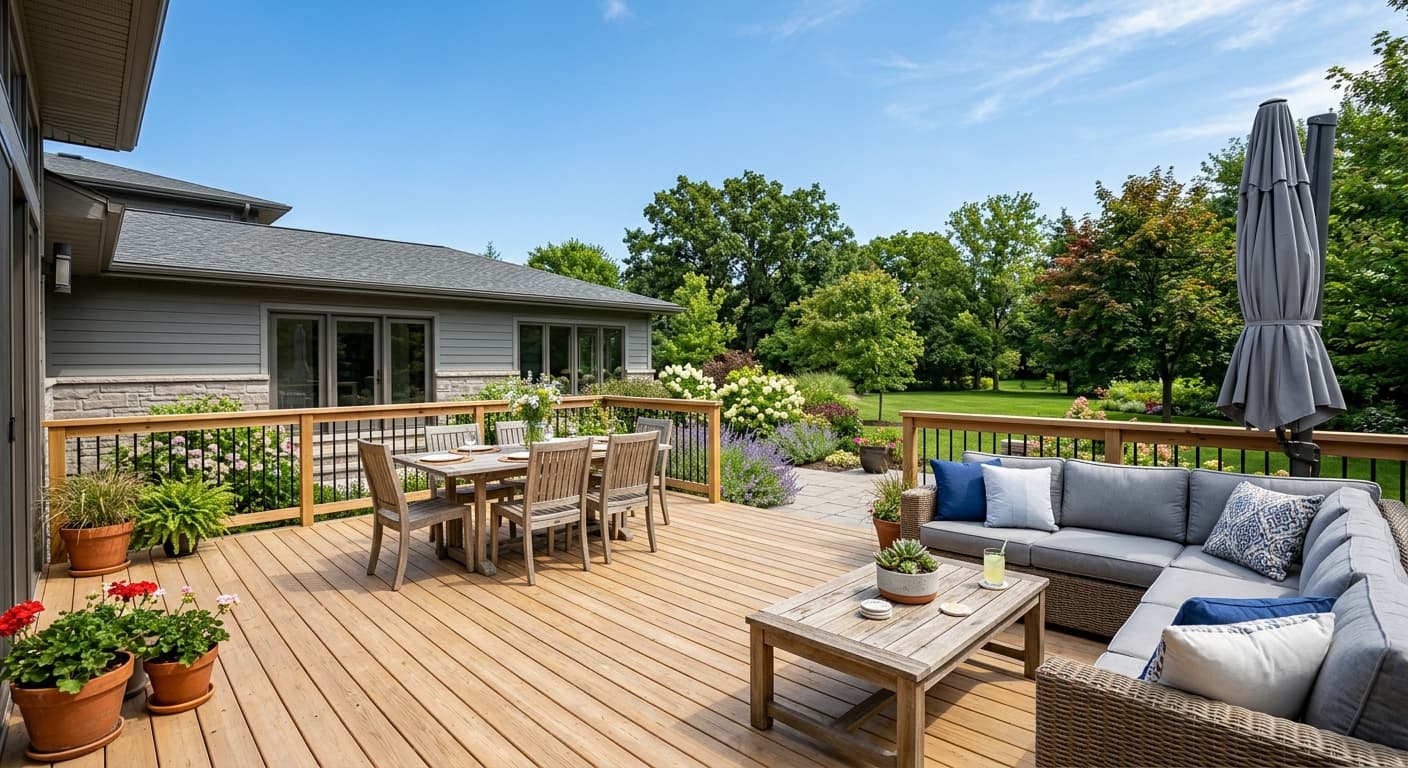
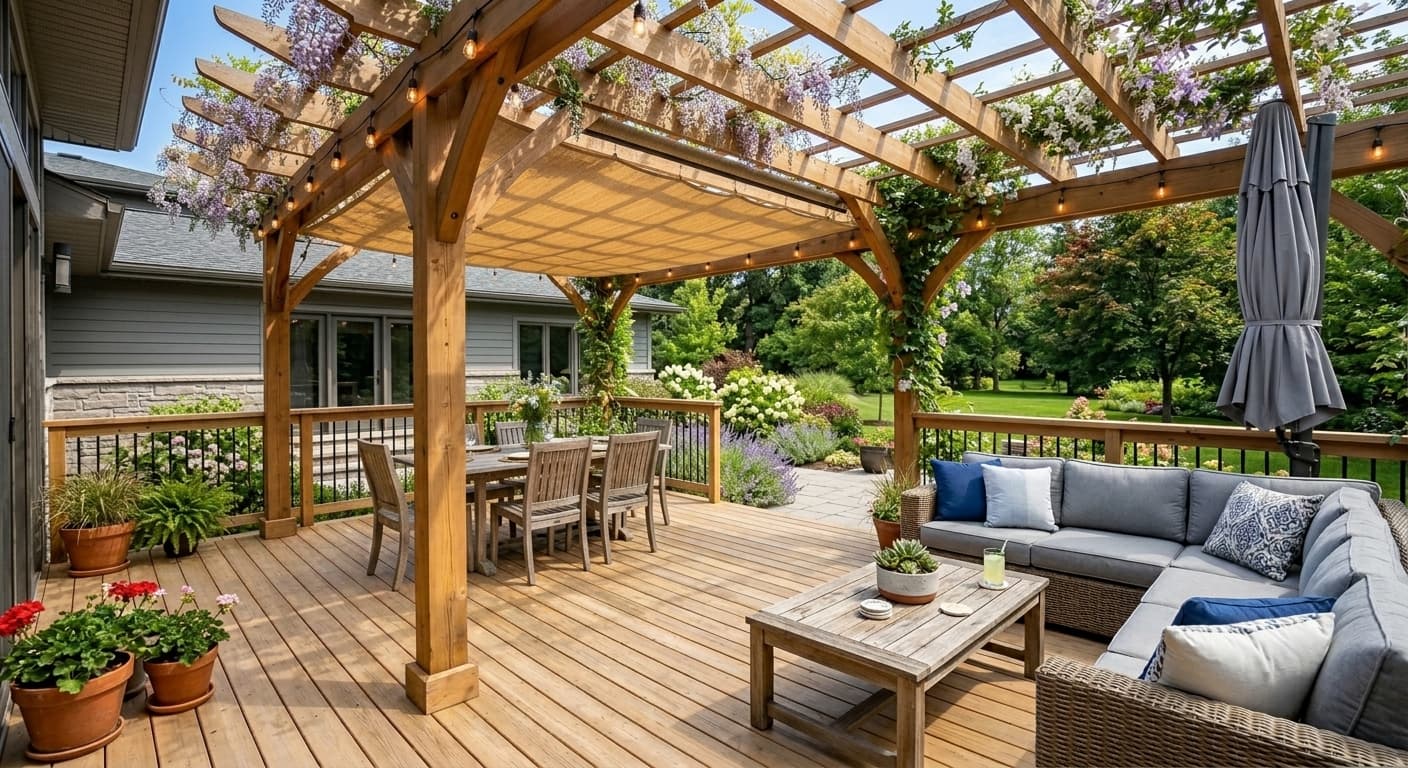
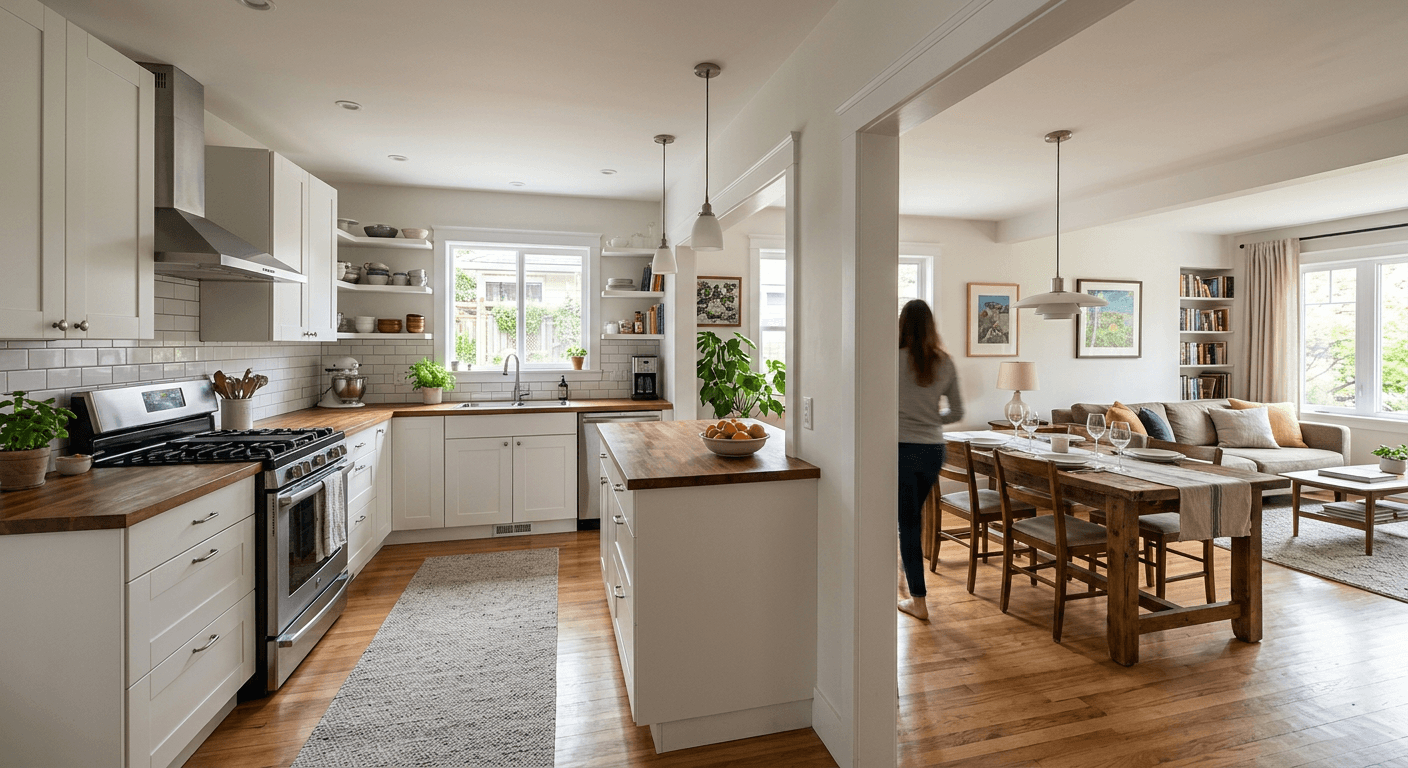
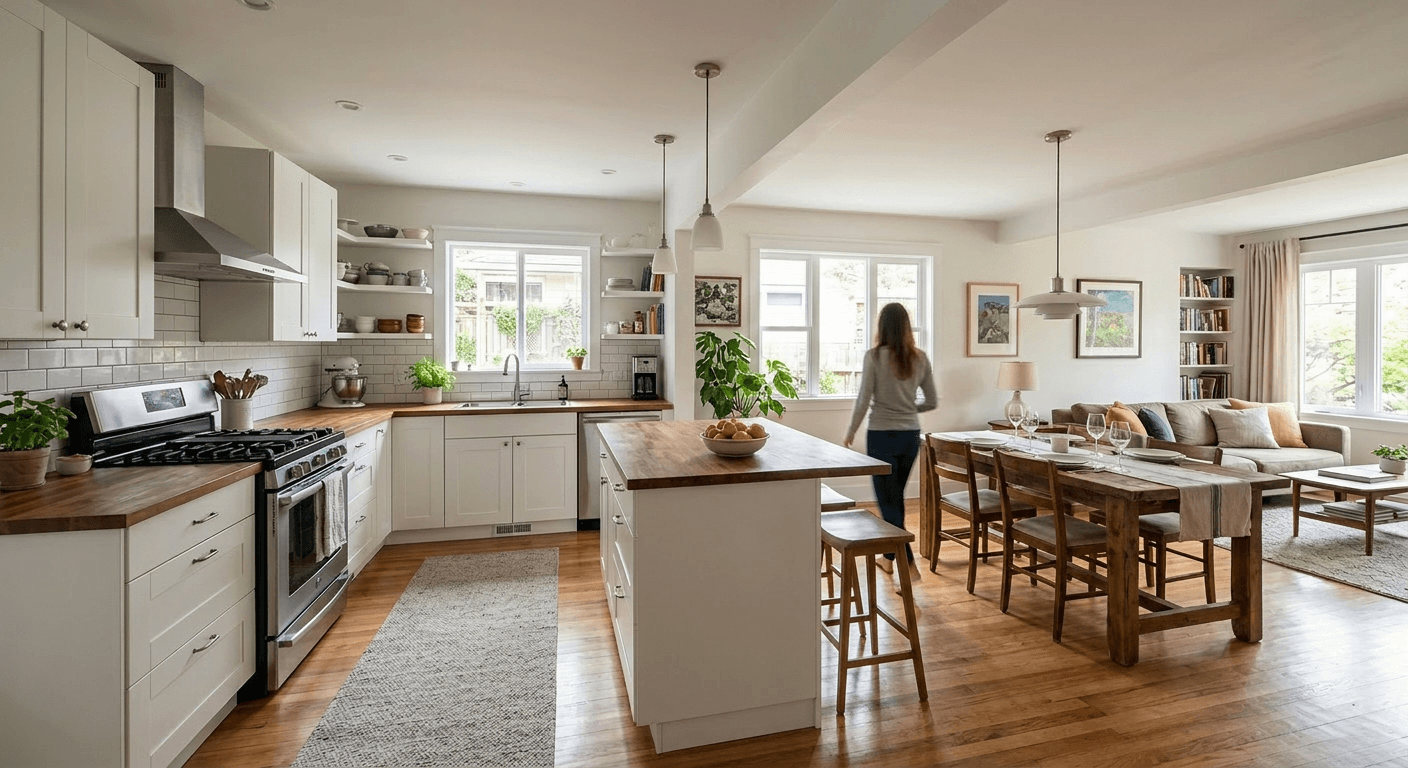
Witness the AI-Architectures Transformation
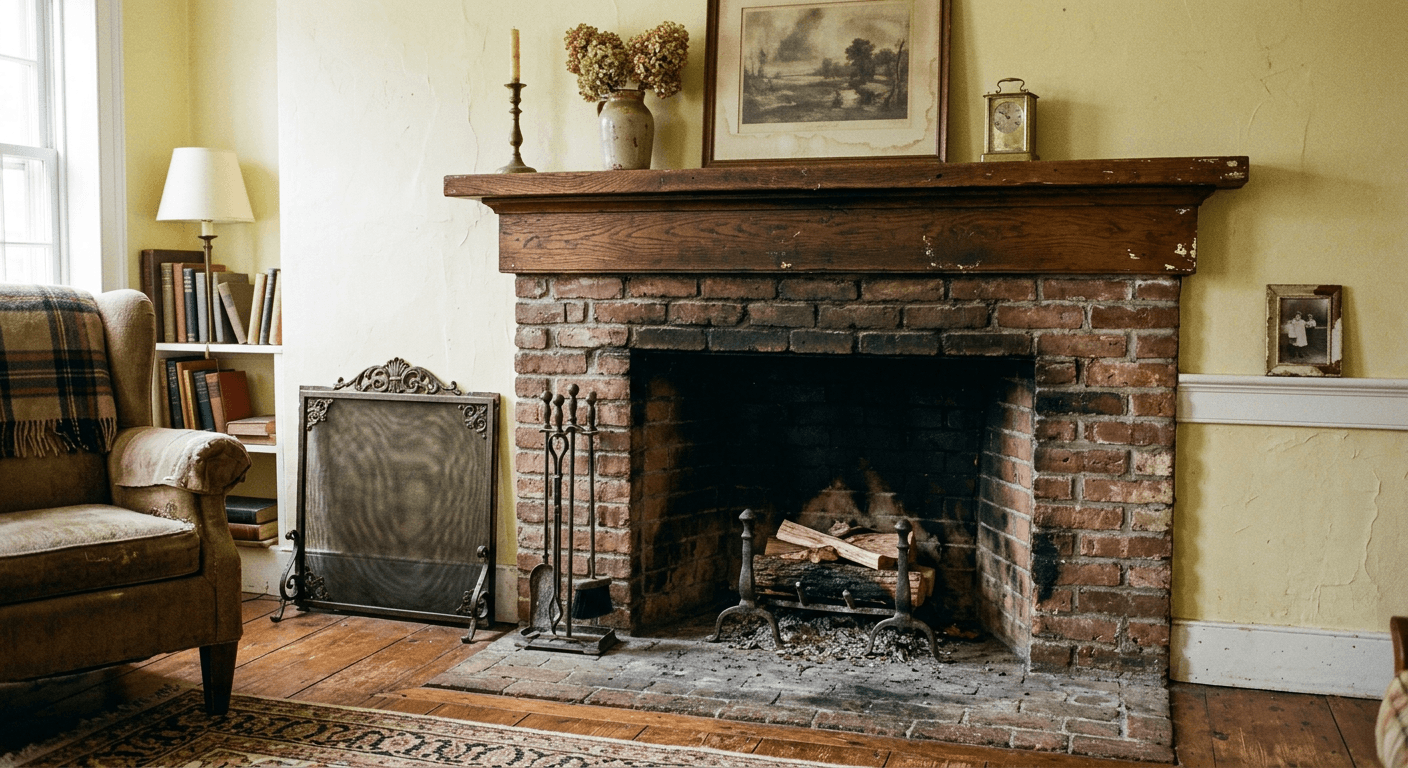
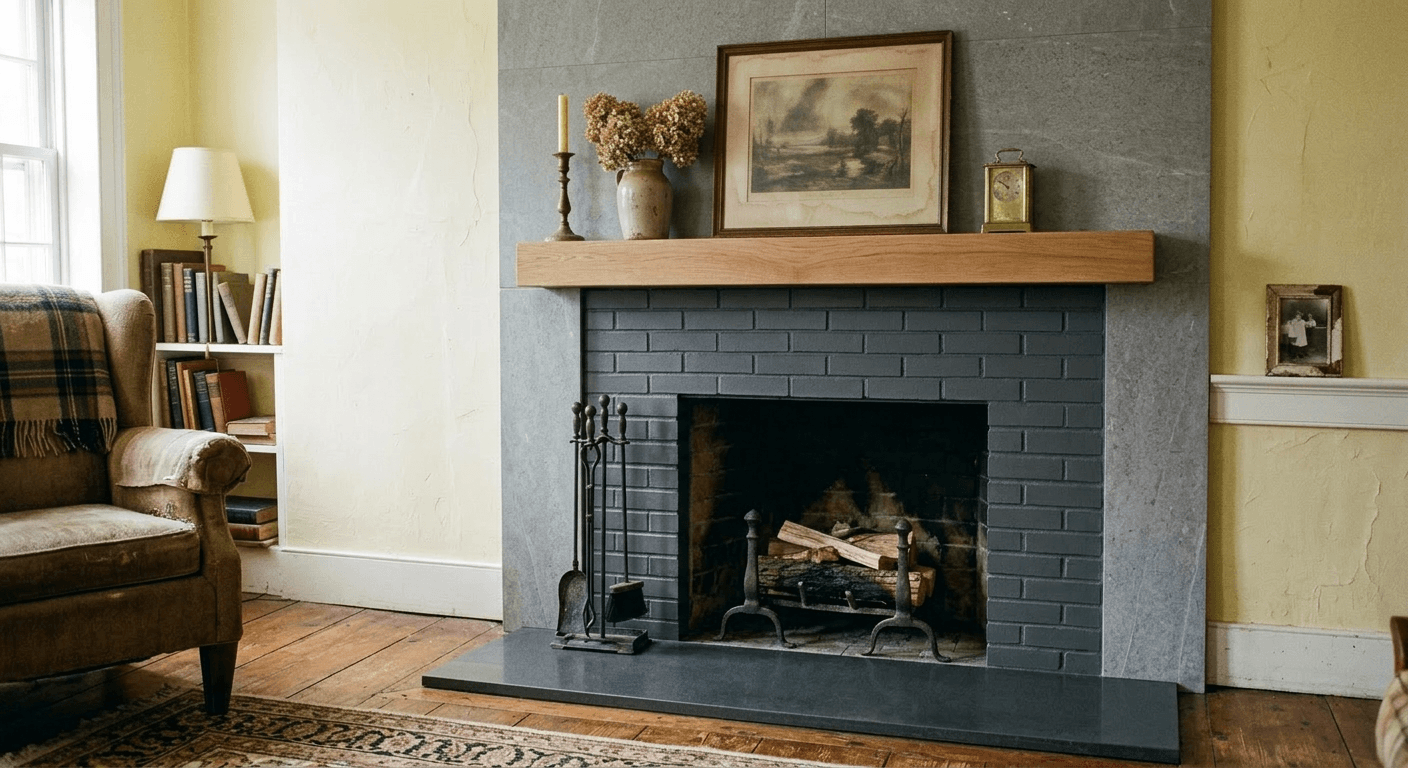
Notice how the original single exposure struggles with the harsh exterior light. Our proprietary AI intelligently maps the geometry of the room, isolating the windows, and dynamically re-lighting the scene to mimic human perception.

Loss of exterior detail, overexposed highlights, and underexposed interior architecture.

Recovered window views, lifted interior shadows, and balanced color temperatures.
The Science Behind Single-Image HDR Tone Mapping
At the core of the ai-architectures.com enhancement engine is a sophisticated Convolutional Neural Network (CNN) trained on millions of high-end architectural and real estate photographs. Unlike standard photo editing filters that globally adjust shadows and highlights—often resulting in grey, flat images—our AI understands the three-dimensional context of the space.
Semantic Segmentation: The AI first analyzes the image to perform semantic segmentation. It instantly differentiates between structural elements (walls, ceilings, floors), furnishings, light fixtures, and, crucially, window panes. By mathematically separating the exterior view from the interior, the AI can apply distinct exposure calculations to each zone.
Generative Detail Recovery: When a single exposure has "clipped" highlights (meaning the window area is pure white with zero pixel data), traditional software cannot recover the view. Our advanced architectural AI uses generative fill capabilities conditioned on real-estate aesthetics to reconstruct plausible exterior elements—such as sky gradients, distant foliage, or urban skylines—that perfectly match the perspective and lighting angle of the original shot.
Luminance Balancing & Color Grading: Finally, the system executes micro-contrast adjustments. It lifts the shadows in the deep corners of the room while maintaining the directional origin of the natural light. This ensures the room still feels natural, preserving the specific ambiance the architect or interior designer intended, while making it highly appealing for property listings.