Plan Your Home Theater Remodel in Transitional Style
Discover the perfect equilibrium between classic elegance and modern cinematic technology. At AI-Architectures.com, we leverage cutting-edge spatial intelligence to help you design a bespoke Transitional media room that delivers uncompromised acoustics, timeless aesthetics, and unparalleled comfort.
The Philosophy of Transitional Style in Cinematic Spaces
Transitional architecture and interior design represent the masterful harmonization of traditional comfort and contemporary sleekness. When applied to a home theater remodel, this aesthetic methodology resolves a common dilemma: the desire for a cozy, sophisticated screening room that does not feel like a sterile commercial cinema, yet seamlessly incorporates state-of-the-art audiovisual technology.
In a purely traditional theater, you might find heavy drapery, ornate gold leafing, and overwhelming architectural detailing that can distract from the viewing experience. Conversely, an ultra-modern media room can feel austere and unwelcoming. The Transitional Home Theater bridges this gap. It utilizes the structural familiarity and warmth of traditional materials—like rich woods, plush textiles, and subtle moldings—while insisting on the clean lines, neutral color palettes, and uncluttered layouts characteristic of modern design.
Key Defining Elements
Sophisticated Comfort
Seating relies on tailored lines rather than bulky, overstuffed recliners. Think top-grain leather or performance velvet sectionals with hidden motorized mechanisms, offering classic tufting without visual weight.
Concealed Technology
Modern 8K projectors, Dolby Atmos in-ceiling speakers, and acoustic treatments are masterfully hidden behind acoustically transparent fabrics framed by traditional wood trim.
Harmonious Color Palettes
Moving away from the stark blacks or bright reds of standard theaters, transitional rooms favor deep tonal neutrals: charcoal, navy, rich greige, and taupe, layered to reduce light reflection while maintaining elegance.
Architectural Lighting
A blend of classic brass or matte black wall sconces provides atmospheric lighting, while hidden linear LED strips add a contemporary floating effect to step treads and coffered ceilings.
Visualizing the Transformation
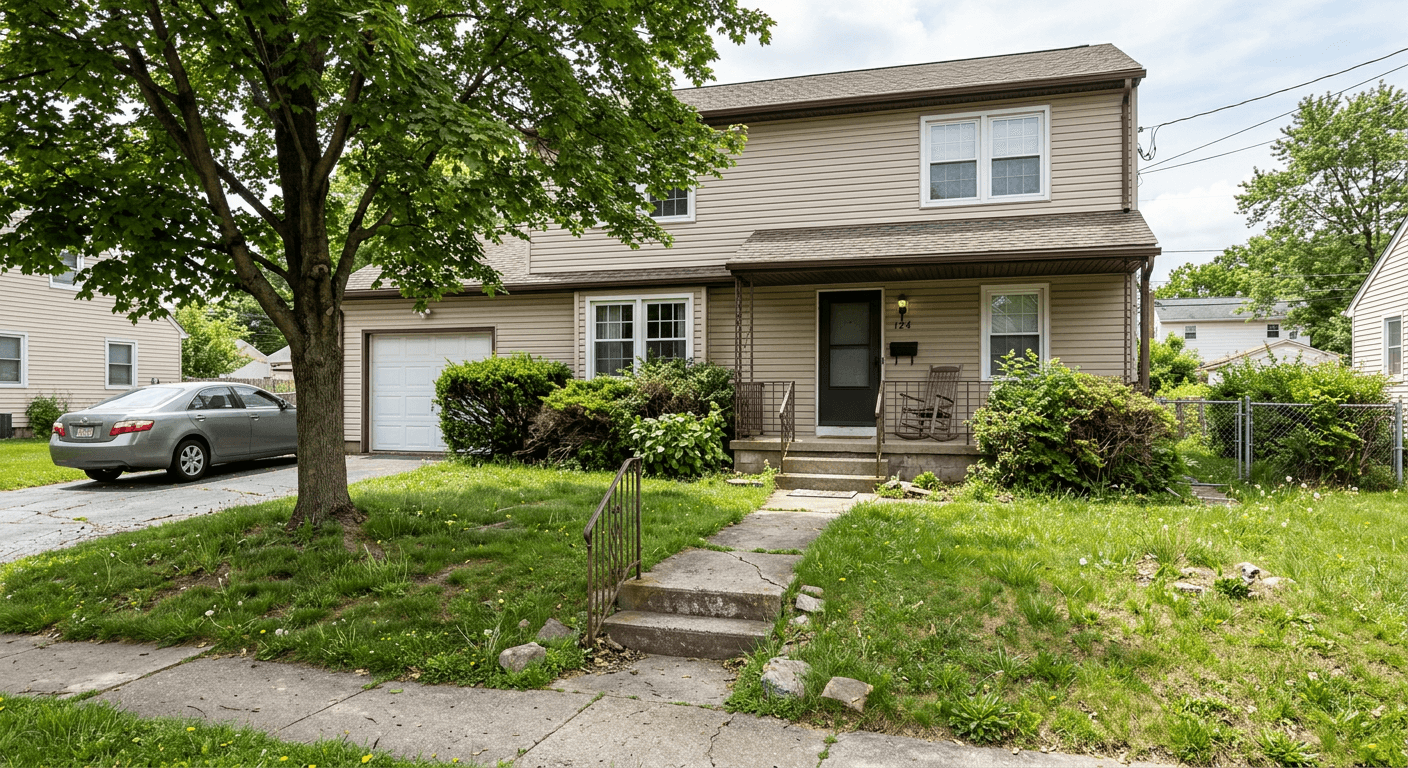
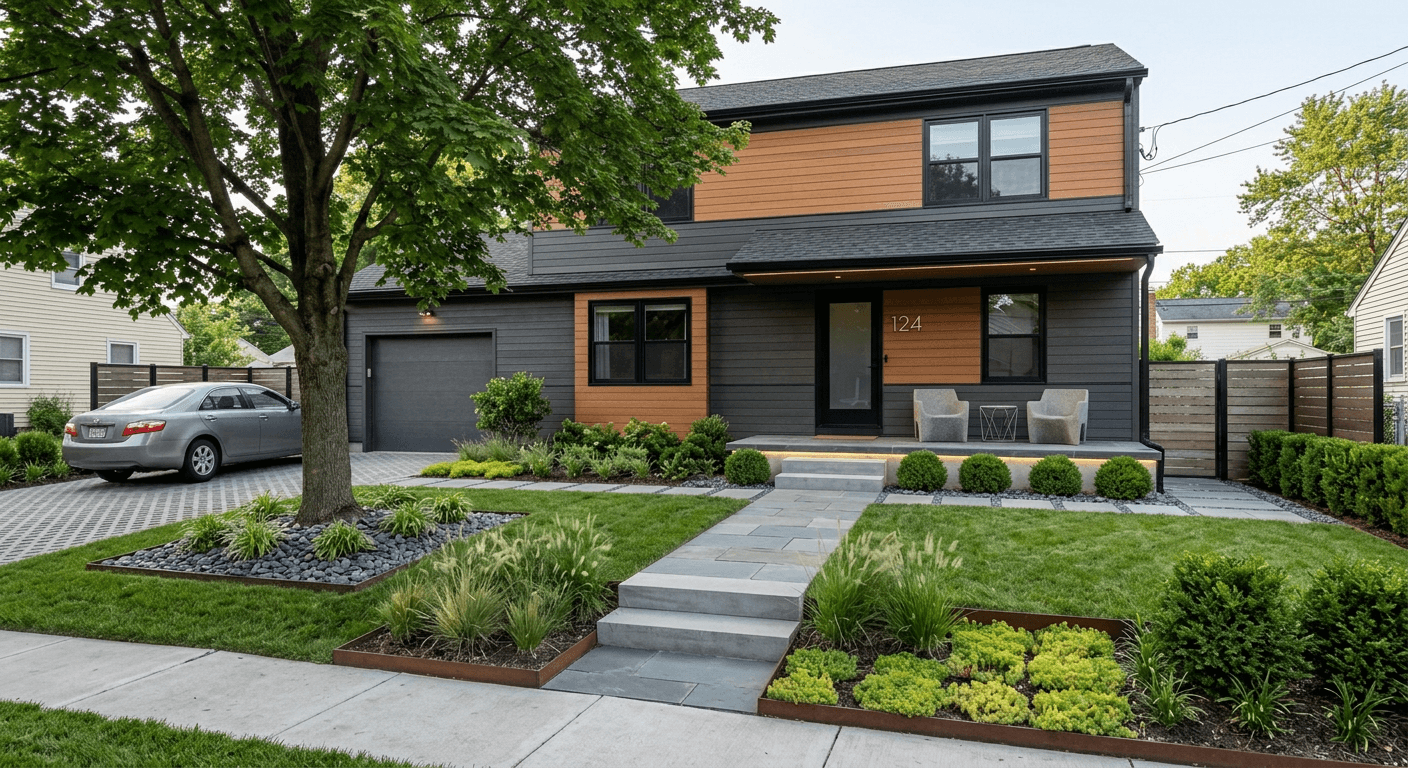
Witness the power of AI-assisted remodeling. By analyzing spatial constraints and lighting dynamics, our architectural algorithms can reimagine an underutilized basement or outdated media room into a breathtaking Transitional cinema.


How AI Reinvents the Remodeling Workflow
Planning a specialized space like a home cinema requires absolute precision. Acoustics, sightlines, projector throw distances, and HVAC integration must perfectly align with interior aesthetics. This is where ai-architectures.com excels.
Predictive Acoustic Modeling
Traditional theaters rely on bulky, exposed foam panels to control reverberation. Our AI tools analyze your room's exact dimensions to map acoustic reflection points. We then integrate absorption and diffusion materials directly into the transitional architectural elements—such as custom wainscoting or fabric-wrapped decorative panels—ensuring audiophile-grade sound without compromising the visual narrative.
Algorithmic Sightline Optimization
Calculations for screen size relative to seating distance, and the elevation of tiered seating, are critical. Our AI engine dynamically adjusts these parameters based on your chosen Transitional seating footprint, guaranteeing that every seat in the house has an unobstructed, ergonomically perfect view of the screen.
Intelligent Material Curation
Achieving the Transitional look requires a delicate balance of textures. Our generative AI models cross-reference millions of material combinations to suggest the perfect pairing of matte-finished hardwoods, acoustic-friendly textiles, and low-reflectivity paints, ensuring your cinematic environment is both beautiful and functional.
Your Blueprint: Step-by-Step Remodeling Guide
Phase 1: Spatial Assessment & AI Ingestion
Begin by documenting your existing space. Upload blueprints or room scans into our architectural engine. The AI will immediately flag HVAC ducting, structural supports, and ambient light sources (windows) that need mitigation. In a Transitional remodel, this often dictates where we will build out custom columns or soffits to hide utilitarian elements gracefully.
Phase 2: Conceptual Design & Lighting Design
Use our generative tools to finalize the Transitional aesthetic. Select a palette (e.g., Benjamin Moore's Hale Navy combined with warm walnut). Plan layered lighting: primary ambient (coffered ceiling LEDs), task lighting (step lights), and architectural accents (transitional sconces). This phase establishes the room's soul.
Phase 3: Acoustic Framing & Infrastructure
Before the drywall goes up, wire for a 9.2.4 Dolby Atmos system. Implement soundproofing techniques like staggered stud framing, resilient channels, and double drywall with green glue. Transitional design hides this complexity behind elegant paneled walls equipped with acoustically transparent fabrics.
Phase 4: Millwork, Finishes, & Tech Integration
Install the custom cabinetry that houses the AV racks, ensuring proper ventilation. Apply the transitional moldings—clean profiles without excessive ornamentation. Finally, mount the tensioned projection screen, calibrate the 4K/8K laser projector, and install the bespoke seating arrangements.
Elevate Your Home Entertainment with AI-Architectures
Planning your home theater remodel in a Transitional style ensures your investment stands the test of time. It avoids the fleeting trends of hyper-modernism and the heavy antiquity of pure traditionalism. By integrating AI into your architectural workflow, you guarantee a space that is not only visually stunning but acoustically and technologically flawless. Start generating your ultimate media room concepts today.