The Strategic Advantage of Transitional Style in Retail
In the highly competitive landscape of brick-and-mortar retail, the architectural design and interior styling of your store speak volumes before a customer even interacts with your merchandise. Planning a retail store remodel requires more than just updating fixtures; it demands a strategic alignment of brand identity and spatial psychology. This is where Transitional Style becomes a powerful asset for modern retailers.
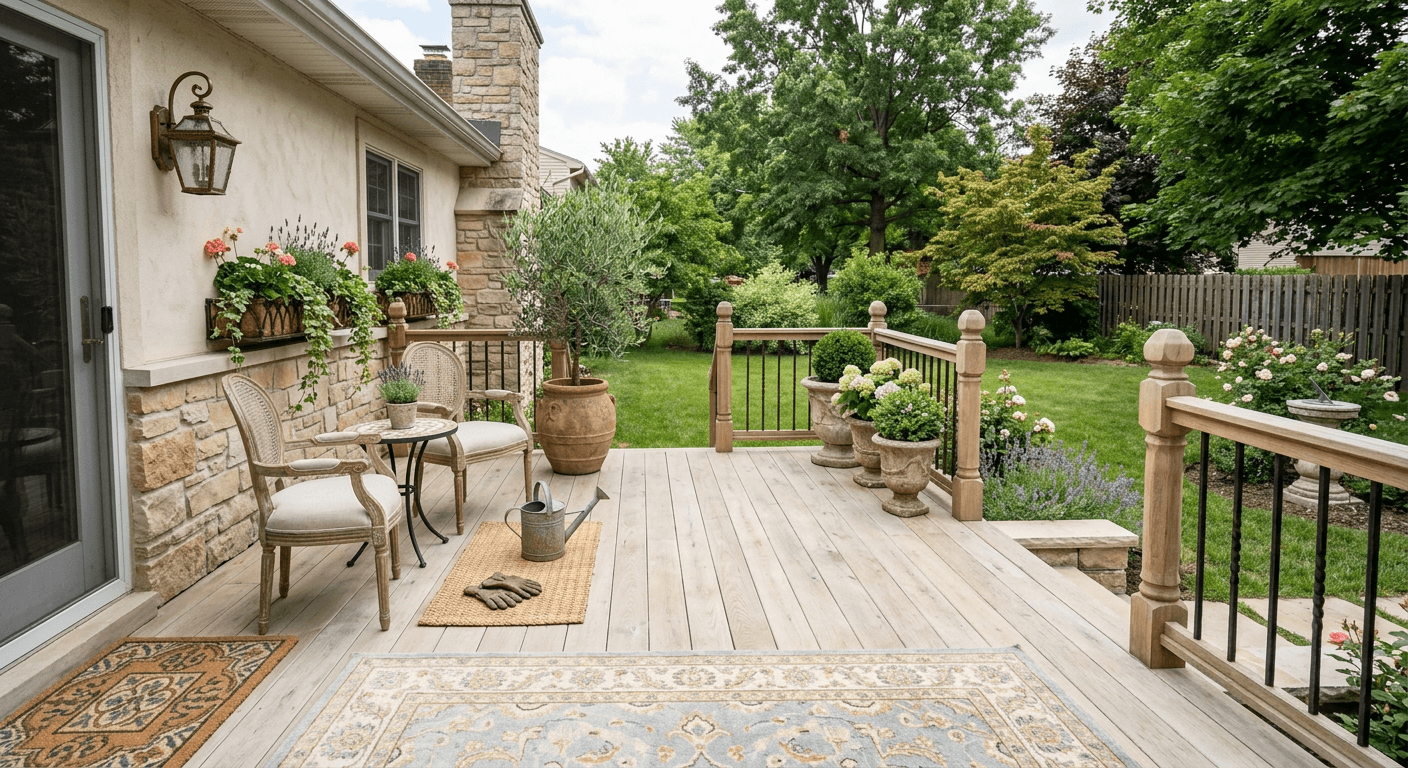
Transitional design is the masterclass of balance. It bridges the gap between traditional and modern, creating an atmosphere that is simultaneously elegant and accessible. By anchoring the space with classic architectural elements—such as subtle crown molding, rich hardwood flooring, or timeless cabinetry—and overlaying it with contemporary, minimalist display racks, modern lighting solutions, and a neutral, sophisticated color palette, you create a retail environment that feels both established and forward-thinking.
Why Transitional Design Drives Retail Success:
- Broad Demographic Appeal: It alienates neither the older, tradition-seeking consumer nor the younger, trend-focused shopper.
- Merchandise Agnostic: The neutral and balanced backdrop allows your products to take center stage, whether you are selling high-end apparel, artisanal home goods, or luxury cosmetics.
- Timeless Longevity: Remodeling is a significant capital expenditure. Transitional style resists the rapid aging of hyper-trendy modernism and avoids the stuffiness of pure traditionalism, extending the lifespan of your remodel.