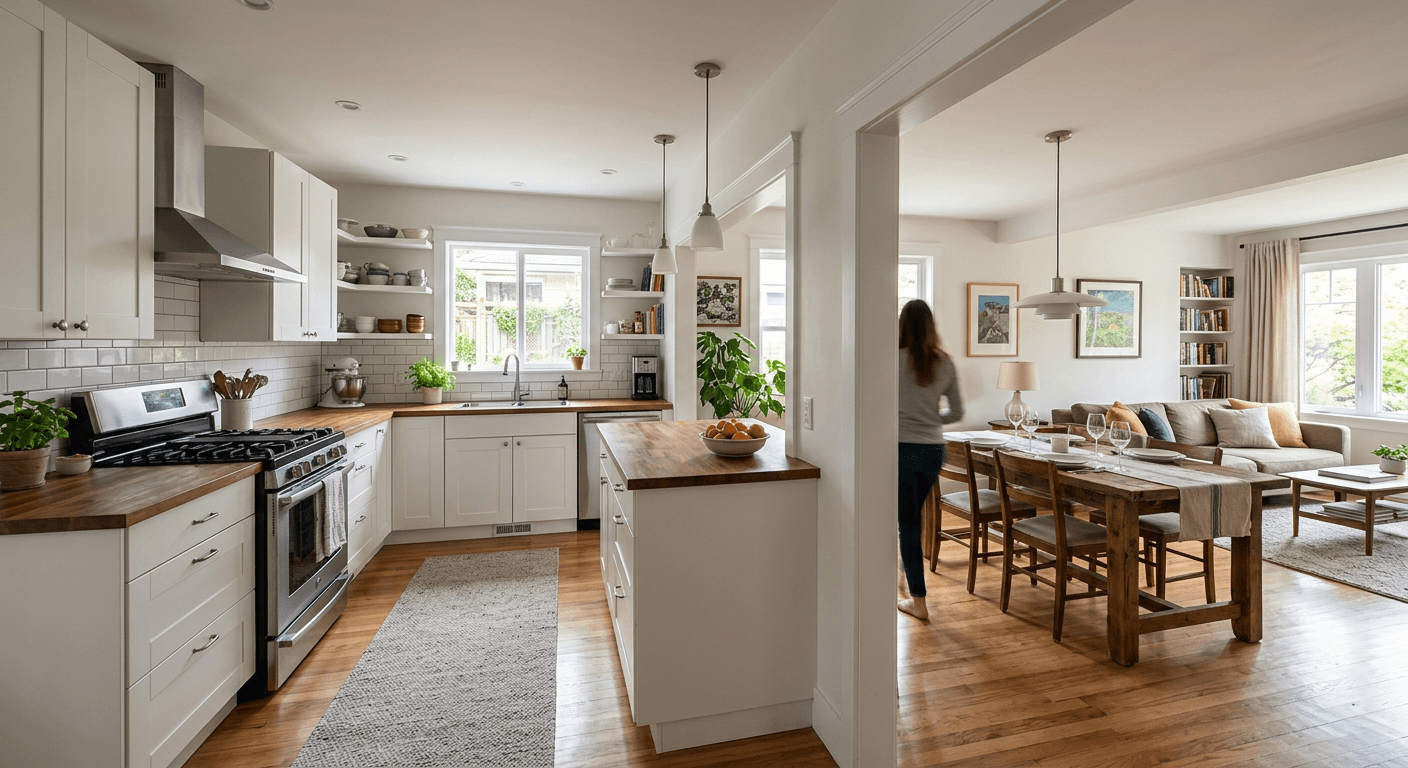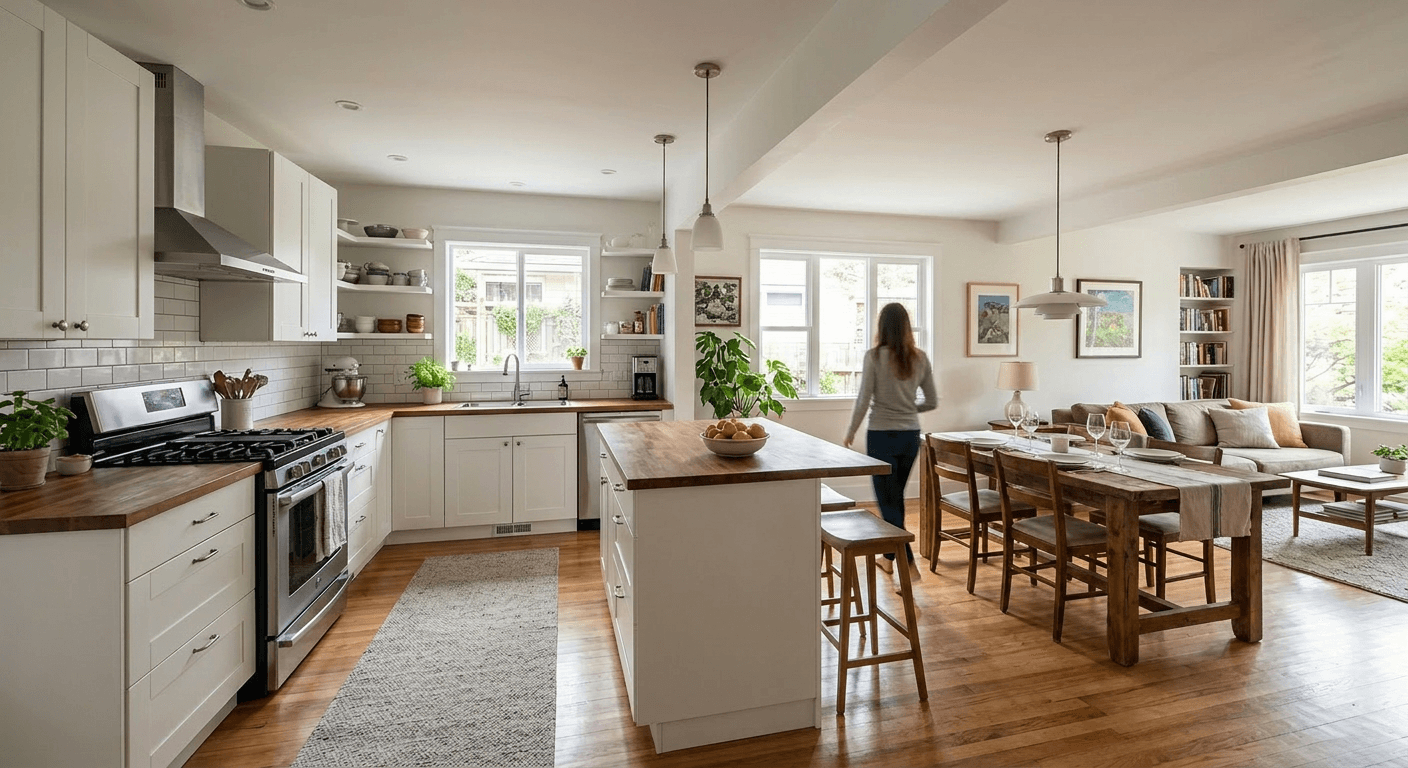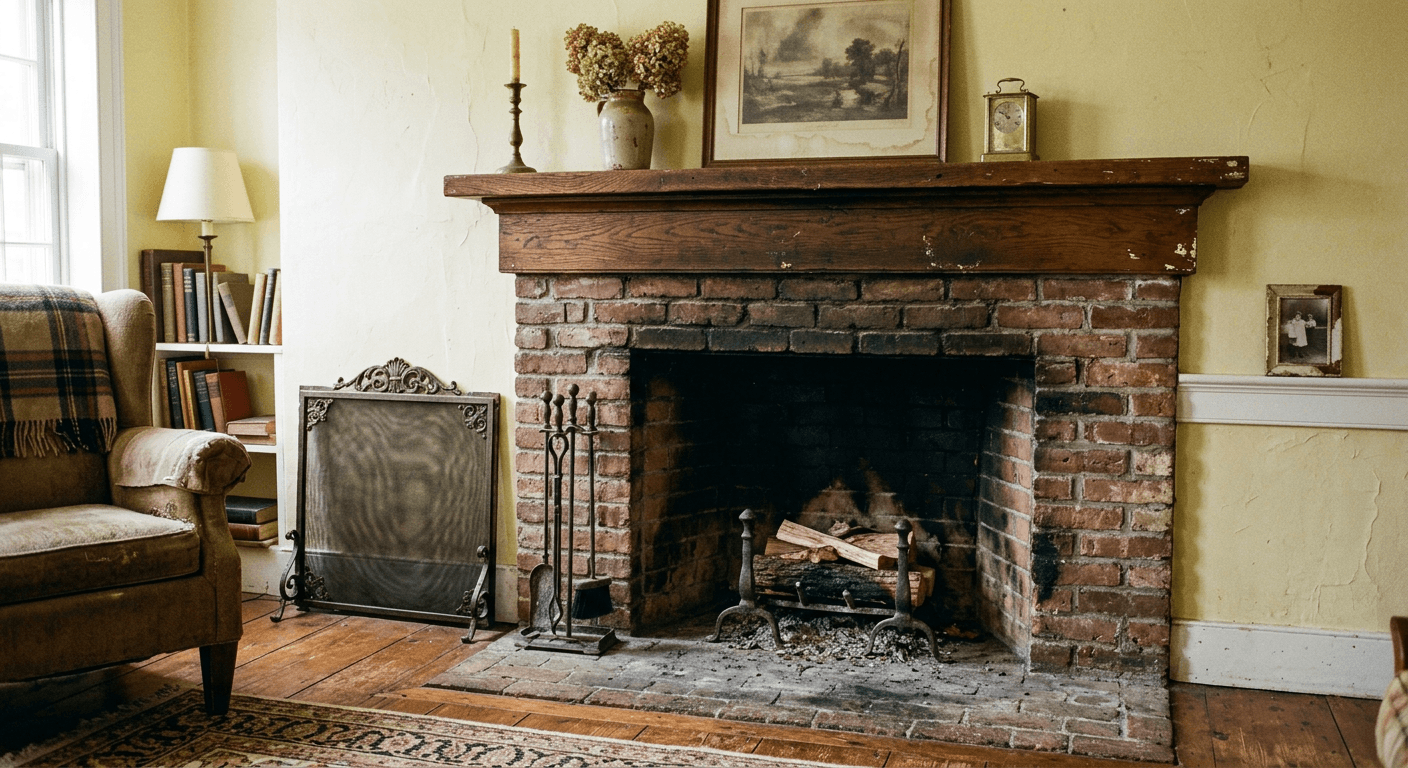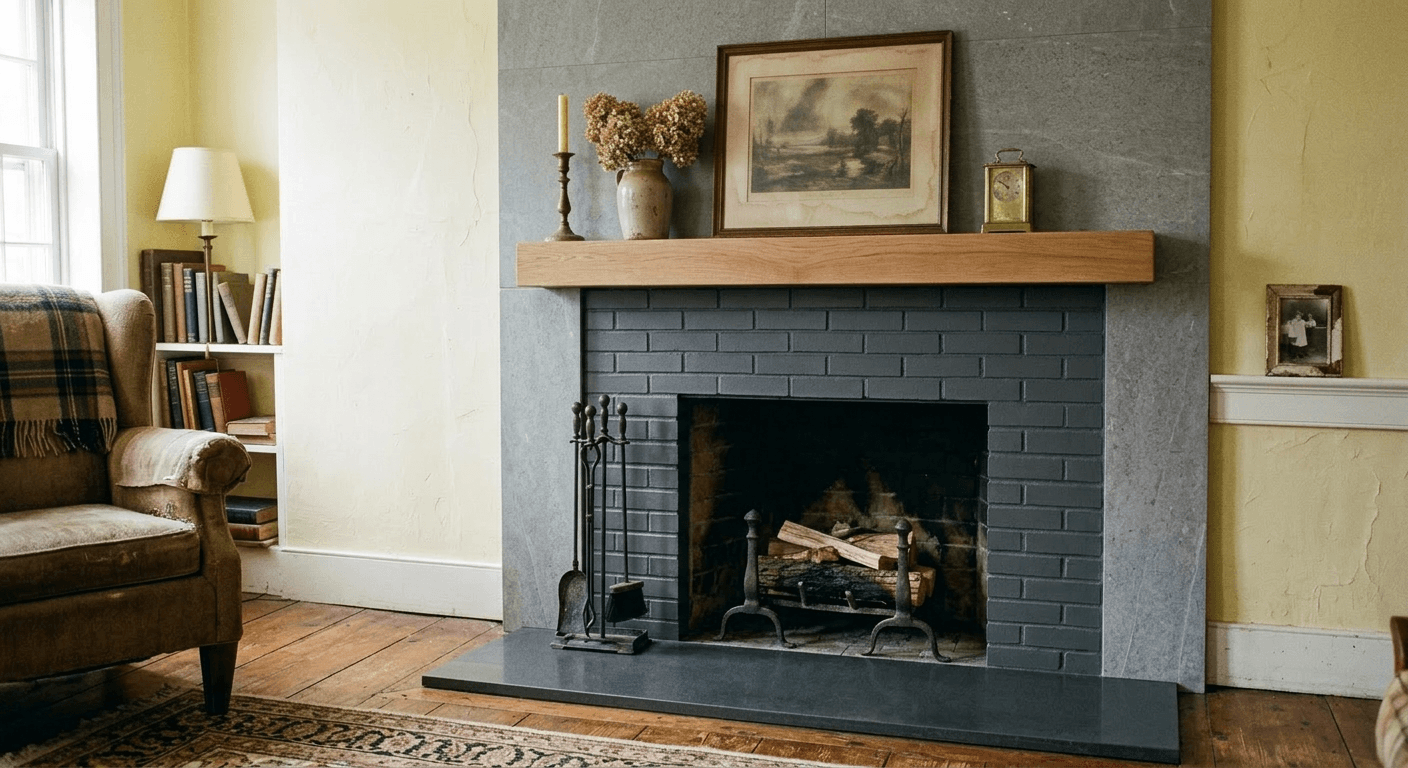
What is Reverse Staging, and Why is it Revolutionizing Renovation Planning?
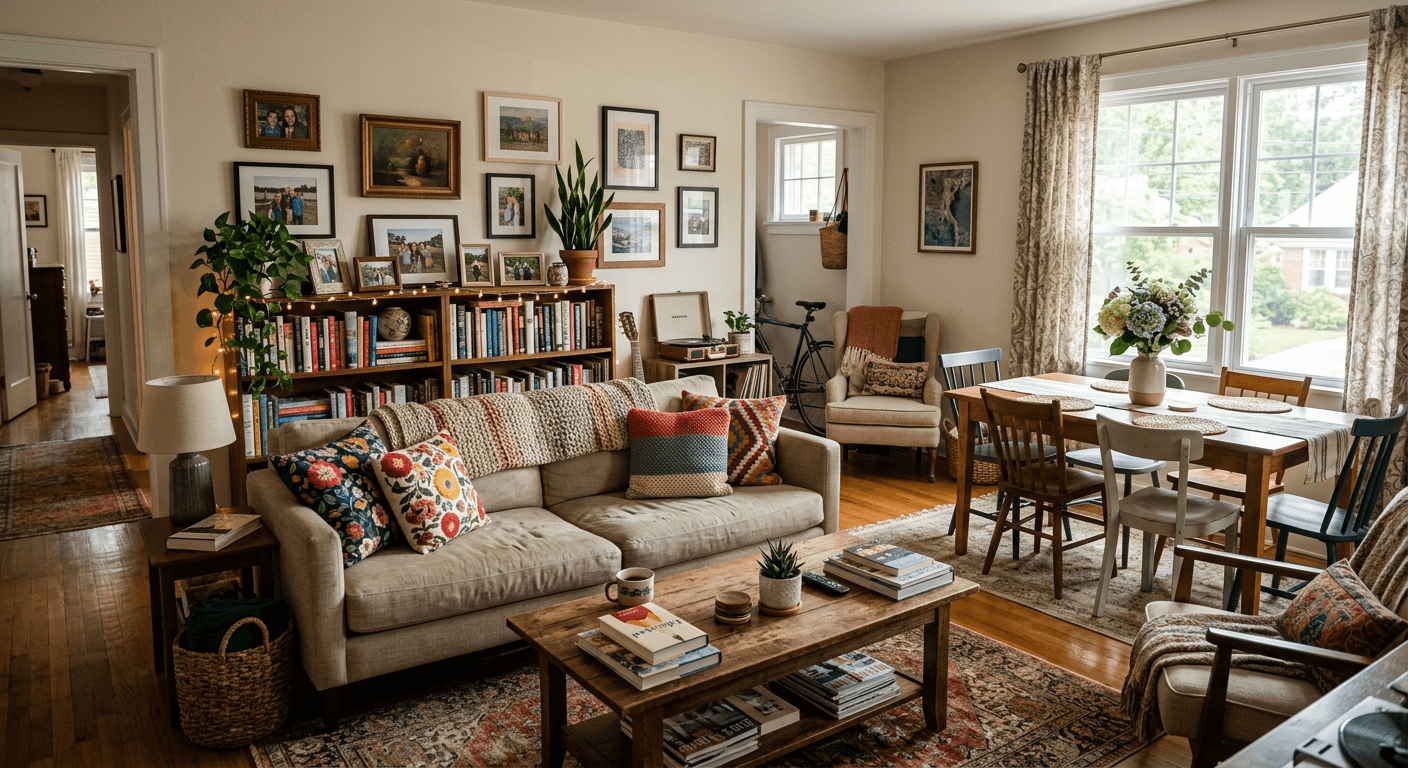
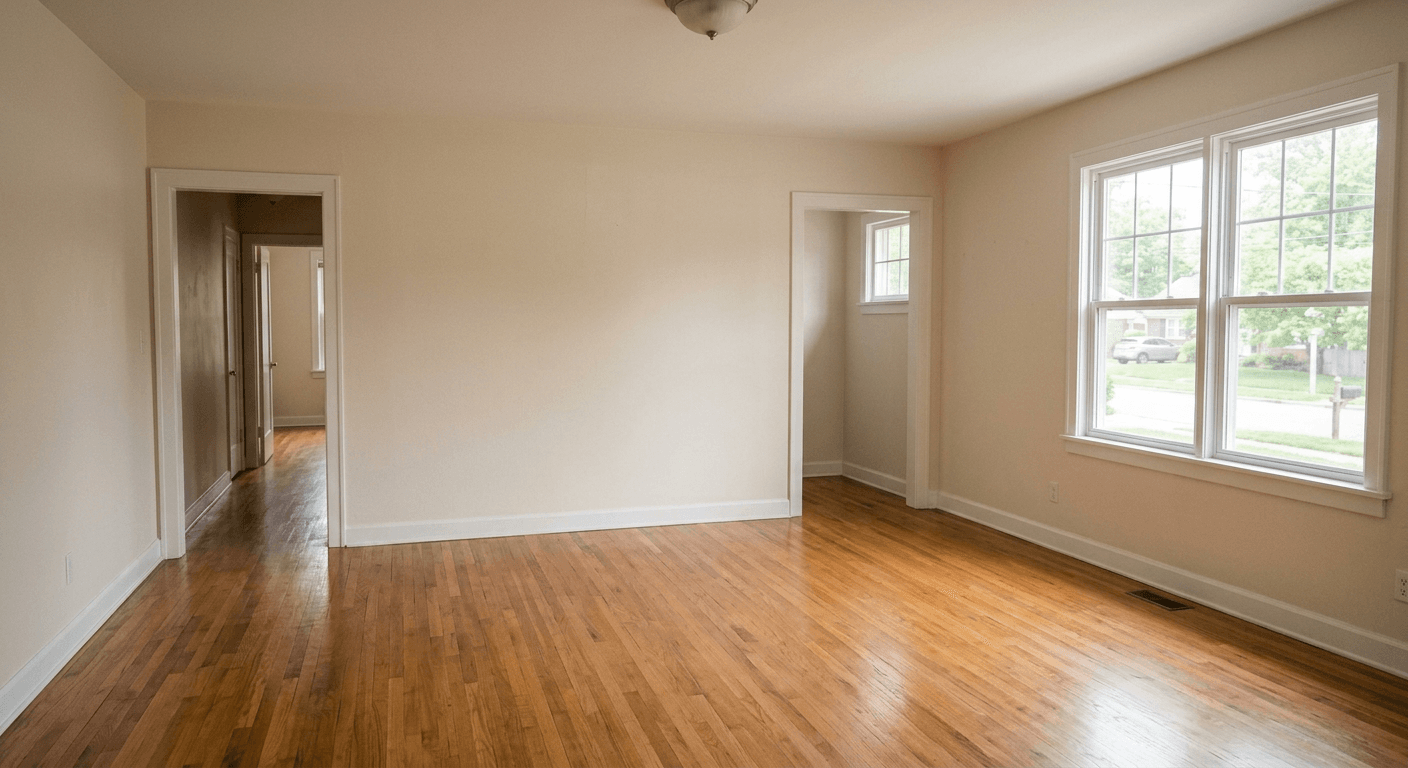
When evaluating a property for purchase, renovation, or a complete architectural overhaul, existing furniture and decor can be a massive hindrance. Outdated styling, oversized couches, or cluttered layouts trick the eye, making rooms feel smaller, darker, or fundamentally different from their true spatial reality. Reverse staging—also known as virtual decluttering or furniture removal—is the process of digitally stripping away all non-permanent fixtures from a photograph to reveal the raw, empty space beneath.
Historically, removing objects from photos required hours of meticulous manual Photoshop work. A designer would have to painstakingly clone floorboards, guess the color of the wall behind a bookshelf, and manually rebuild baseboards. Today, the cutting-edge computer vision models developed at ai-architectures.com handle this complex geometry in seconds. By understanding the architectural context of the room, our AI doesn't just erase objects; it intelligently inpaints the missing background, ensuring structural and lighting continuity.