The Philosophy of Zen in Hospitality Architecture
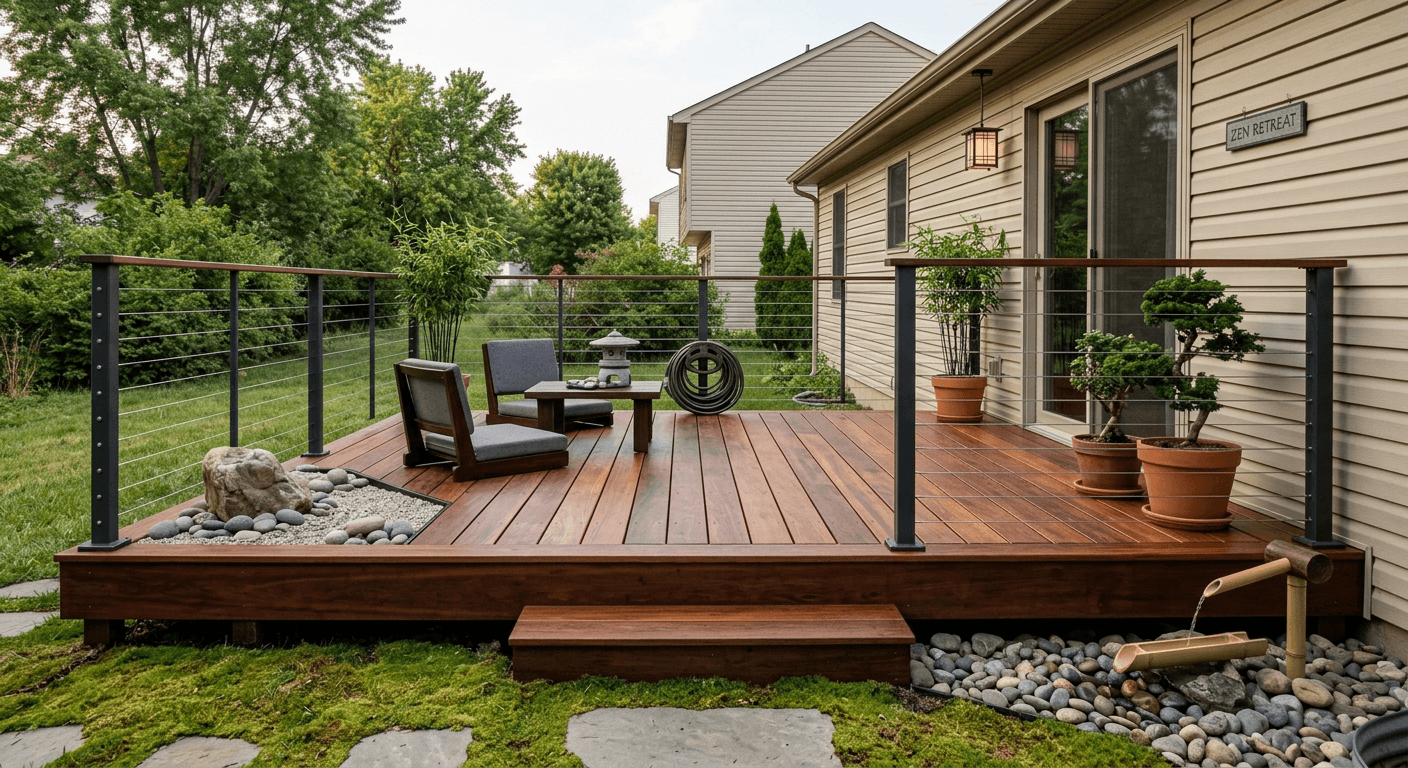
In the context of hospitality architecture, Zen is not merely a visual aesthetic; it is a profound spatial philosophy. It draws heavily from traditional Japanese principles such as Kanso (simplicity), Shizen (naturalness), and Seijaku (tranquility). When guests enter a hotel lobby, they are experiencing a transition from the chaotic external world into your curated environment. An AI-driven Zen redesign focuses on cognitive unburdening—removing visual noise so the mind can immediately rest.
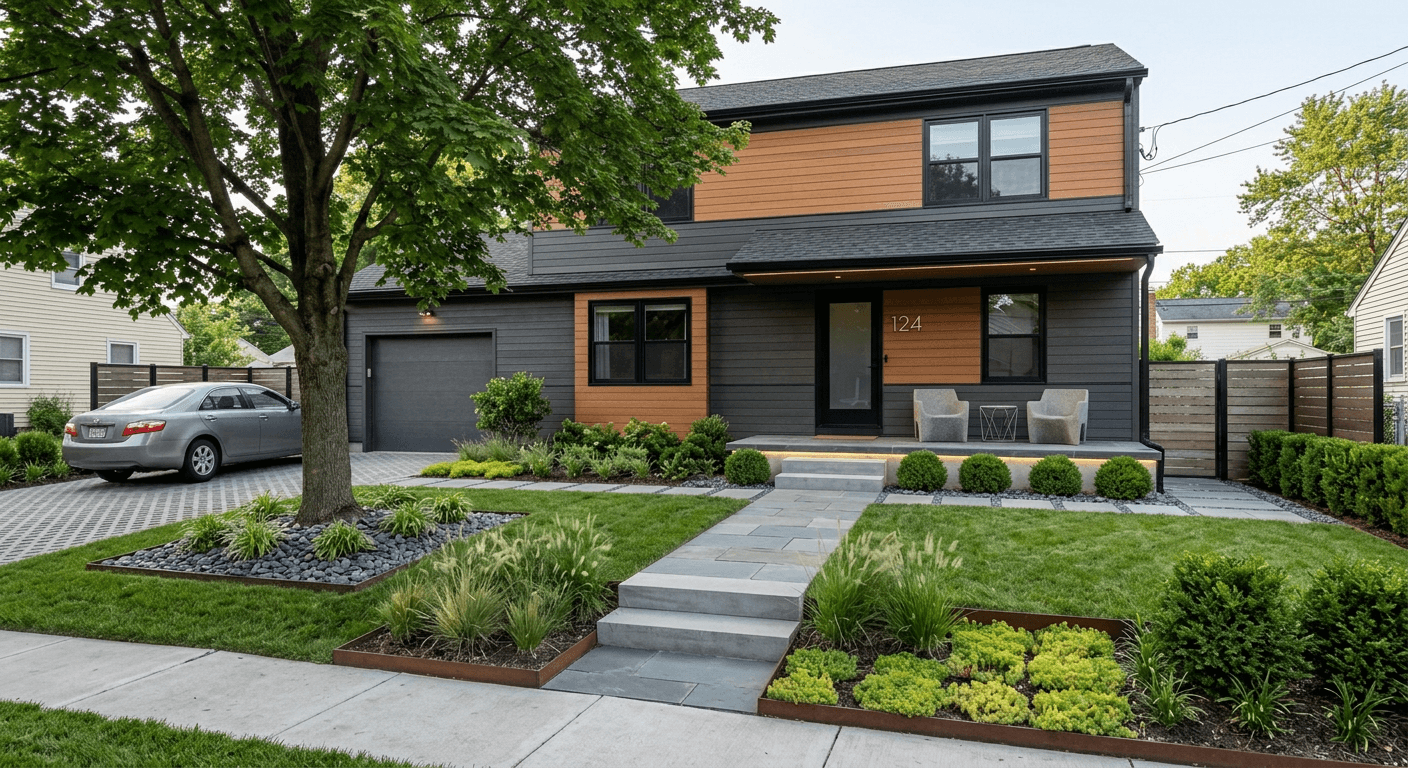
Historically, executing a flawless Zen aesthetic required meticulous manual planning of light paths, precise acoustic mapping, and exacting material sourcing. Today, generative AI models tuned specifically for architectural design by AI-Architectures.com can evaluate a 3D scan or 2D image of your current lobby and instantaneously generate topological redesigns that respect these ancient spatial philosophies.
Decoding Space: How Generative AI Understands Minimalist Flow
Generative Artificial Intelligence views architecture through the lens of data, but at AI-Architectures.com, we train our algorithms to understand spatial harmony. When tasked with a Zen redesign, the AI performs a multi-layered analysis of the existing geometry:
- 1. Volumetric DecompressionThe AI identifies areas of high visual density—bulky reception desks, heavy columns, or intrusive lighting fixtures—and algorithmically 'erases' them. It replaces them with low-profile, asymmetrical alternatives that draw the eye horizontally, creating an illusion of expansive, breathable space.
- 2. Algorithmic BiophiliaZen spaces demand a connection to nature. The AI maps the most optimal zones for organic integration. Rather than simply placing potted plants, it generates structural biophilia: indoor bamboo groves integrated into the flooring, raw stone water basins that guide foot traffic, and living moss walls that double as acoustic dampeners.
- 3. Masterful Illumination MappingHarsh, direct lighting is the enemy of tranquility. Our AI redesigns the luminary topography of your lobby to mimic Komorebi—the Japanese concept of sunlight filtering through leaves. It suggests hidden cove lighting, shoji-inspired diffused panels, and directional shadows that change with the time of day, all perfectly rendered in the conceptual output.
The Integration of Wabi-Sabi Materiality
A critical component that our AI incorporates into Zen lobby redesigns is the concept of Wabi-Sabi—finding beauty in imperfection and the natural cycle of decay and growth. High-gloss finishes and synthetic materials are aggressively filtered out by our architectural prompts.
Instead, the AI renders hyper-realistic applications of raw materials. You will see textured plaster walls that catch the light unevenly, reclaimed wood with visible grain and organic edges for the concierge desks, and unpolished stone flooring that grounds the space. By visualizing these materials instantly, architects can drastically cut down the schematic design phase, presenting stakeholders with a photorealistic vision of a deeply tactile environment.
The ROI of Algorithmic Tranquility
Why invest in an AI-driven Zen redesign? Beyond the aesthetic triumph, a minimalist lobby drastically improves operational flow. Clearer sightlines reduce guest confusion upon entry. Acoustic dampening inherent in Zen material selections creates a quieter environment, instantly elevating the hotel's perceived luxury. Most importantly, utilizing AI-Architectures.com compresses weeks of initial concepting into seconds, reducing architectural overhead and accelerating project timelines by up to 40%.
Step into the Future of Hospitality Design
The hospitality industry is shifting from providing mere accommodation to offering holistic, wellness-centric experiences. The lobby is the genesis of that experience. By utilizing the advanced generative models on AI-Architectures.com, you are not just updating your interior design; you are algorithmically engineering peace.
Whether you are an independent boutique hotel owner looking to refresh your entry space, or a lead architect at a global firm pitching a multimillion-dollar renovation, harnessing AI to explore Zen aesthetics grants you an unparalleled competitive edge. Seamlessly blend ancient architectural wisdom with cutting-edge neural networks today.