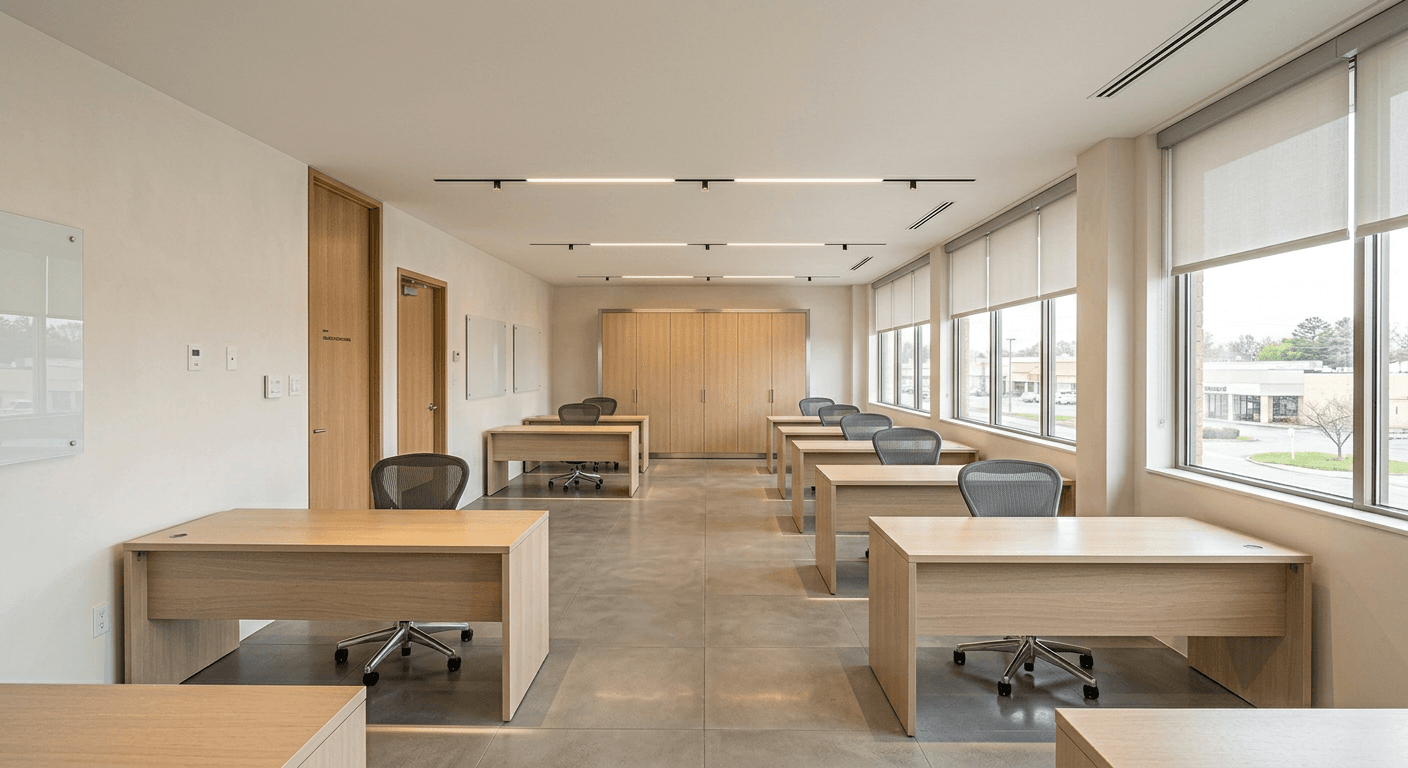
The Philosophy of Minimalism in Commercial Architecture
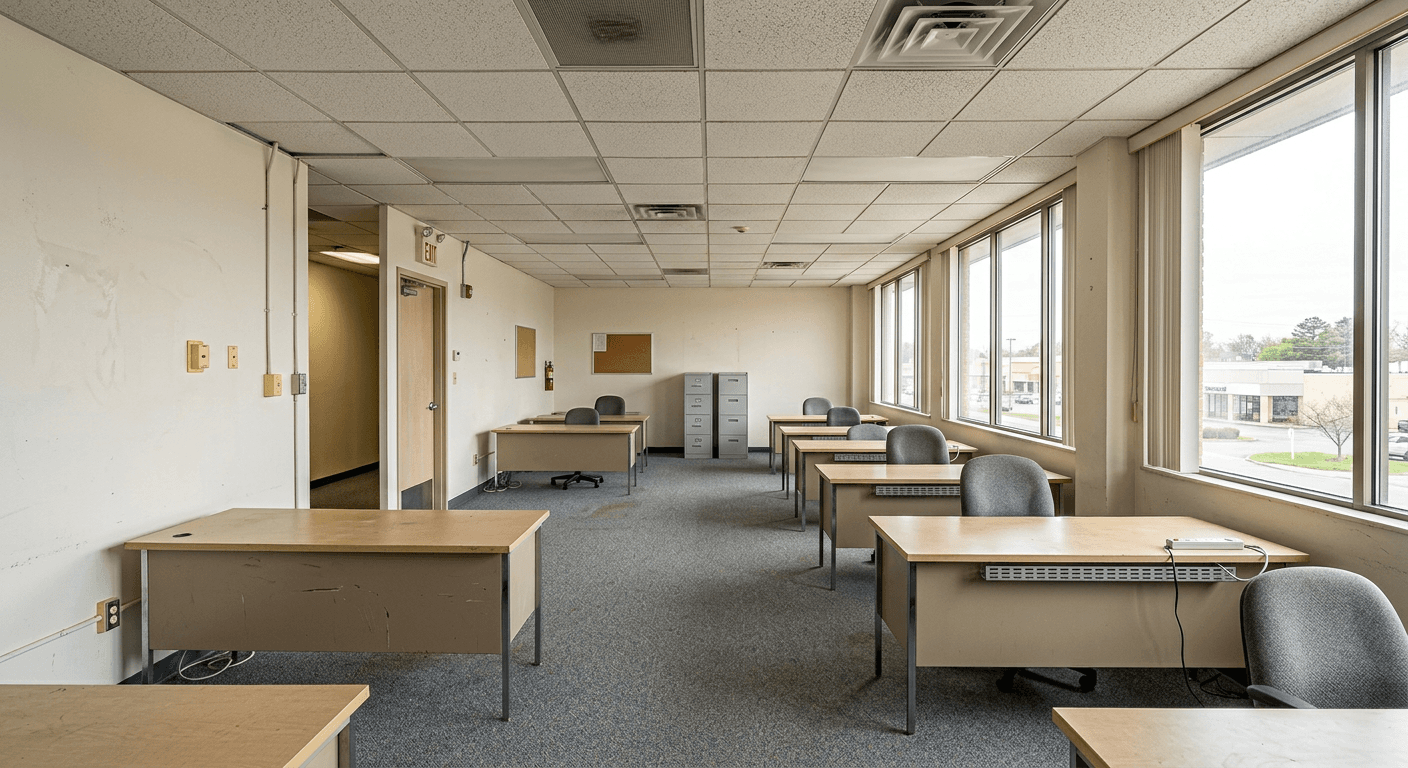
In the realm of contemporary commercial real estate, minimalism is far more than an aesthetic preference; it is a strategic business decision. The minimalist ethos—rooted in the concept of "less, but better"—seeks to eliminate the superfluous, leaving only what is essential for function and form. When applied to office design through the precise lens of ai-architectures.com, minimalism transforms chaotic work floors into havens of deep focus and heightened productivity.
By leveraging artificial intelligence to guide this subtractive design process, architects and business owners can scientifically calculate the optimal placement of every desk, partition, and light fixture. AI models analyze human behavioral data to ensure that a reduction in physical elements does not equate to a reduction in utility, but rather an enhancement of the employee experience.
How Generative AI is Revolutionizing Minimalist Office Redesigns
Historically, achieving true minimalism required laborious drafting and an iterative, often costly, design phase. Today, AI-driven architectural tools possess the capability to process thousands of spatial variables in milliseconds. When you redesign your commercial office in a minimalist style using AI, you are tapping into a vast neural network trained on the world's most iconic minimalist spaces—from Scandinavian design studios to Japanese corporate headquarters.
Core AI Capabilities in Spatial Optimization:
- 01 /Algorithmic Decluttering: AI identifies non-load-bearing visual obstructions and proposes structural or layout modifications to open up floor plans seamlessly.
- 02 /Predictive Lighting Analysis: Artificial intelligence simulates diurnal sun paths to position reflective surfaces and minimalist glazing, minimizing the need for harsh artificial lighting.
- 03 /Acoustic Topography: In minimalist spaces lacking heavy textiles, AI maps sound wave propagation to integrate invisible acoustic dampening materials into ceilings and sleek wall panels.
- 04 /Material Curation: Generative models suggest sustainable, high-impact materials—such as raw concrete, brushed steel, and pale ash wood—that align with the minimalist vocabulary while adhering to commercial budget constraints.
Key Elements of an AI-Generated Minimalist Office
When our engine at ai-architectures.com renders a minimalist commercial office redesign, it meticulously integrates several hallmark elements that define the style. These are not merely decorative choices; they are calculated architectural decisions designed to elevate corporate performance.
Monochromatic Continuity
AI algorithms prioritize monochromatic or low-contrast color palettes. Variations of whites, greys, and muted earth tones reduce cognitive load, preventing visual fatigue among employees and creating a timeless corporate identity.
Concealed Infrastructure
A true minimalist space hides its complexity. AI spatial planners route HVAC, electrical wiring, and IT infrastructure through seamless, hidden conduits, ensuring that technology serves the space without disrupting its visual purity.
Ergonomic Geometry
Furniture selection is driven by strict geometric principles. Desks, chairs, and communal tables feature clean, unadorned lines. The AI ensures these pieces are perfectly scaled to the room's dimensions, maintaining ample negative space.
Biophilic Integration
Minimalism does not mean sterile. AI design models often incorporate precise, singular moments of nature—such as a solitary bonsai or an interior moss wall—bringing life to the office while maintaining strict stylistic discipline.
The Tangible ROI of Minimalist Commercial Redesign
Investing in an AI-driven minimalist redesign yields measurable returns for commercial entities. By reducing the volume of necessary furnishings and finishes, companies can allocate budget toward higher-quality, durable materials that require less maintenance over time. Furthermore, studies in environmental psychology indicate that minimalist workspaces significantly decrease stress levels, directly correlating to lower absenteeism and higher employee retention rates.
The spatial efficiency generated by our AI models often reveals underutilized square footage. This allows businesses to comfortably accommodate more staff within a smaller footprint, or repurpose the recovered space into high-value collaborative zones, thereby maximizing the yield of expensive commercial real estate leases.
Embrace the Future of Spatial Design
The intersection of artificial intelligence and minimalist architecture represents the pinnacle of modern commercial design. At ai-architectures.com, we empower forward-thinking businesses to conceptualize and execute spaces that are as intelligent as they are beautiful. Redesigning your commercial office in a minimalist style with AI is not just an aesthetic upgrade—it is a transformation into an agile, focused, and future-proof enterprise.