Defining the Transitional Style in Cafe Architecture
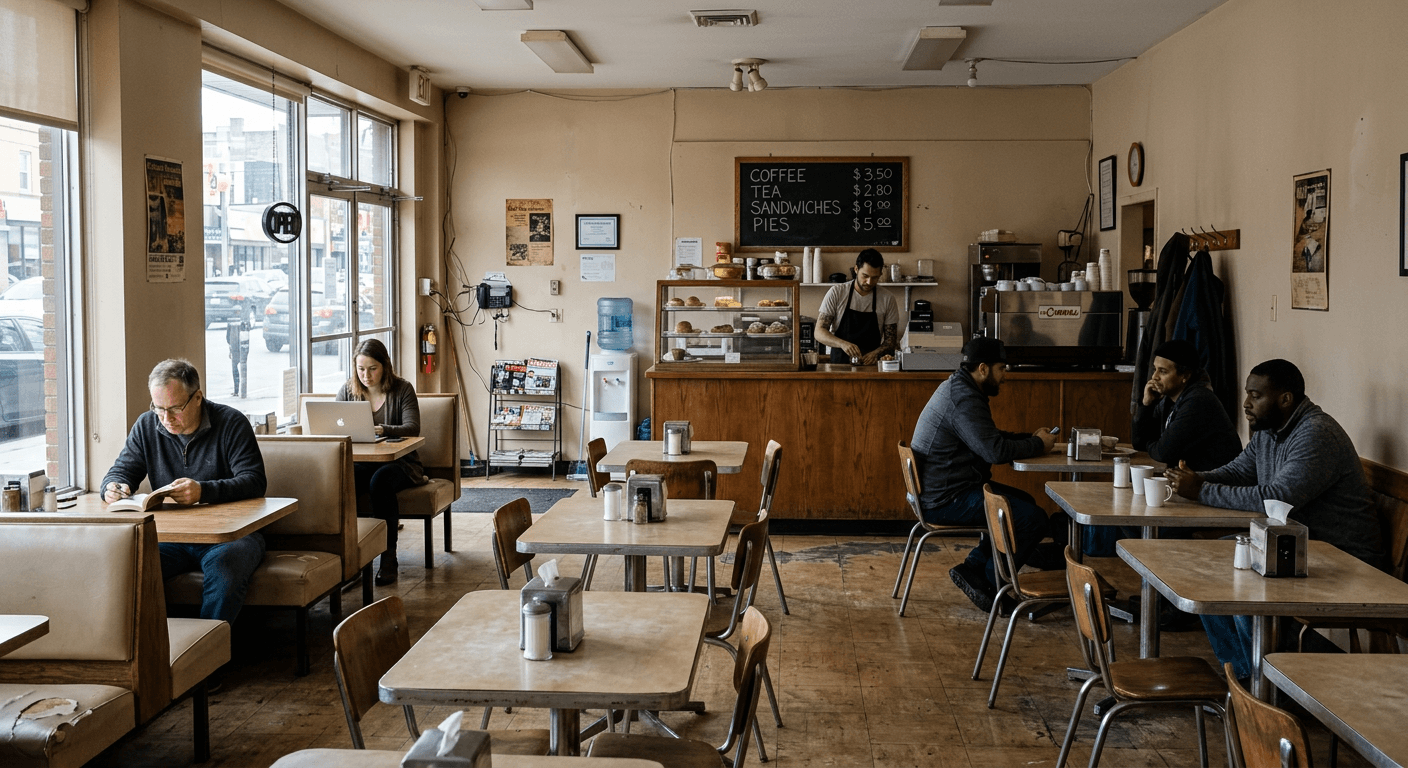
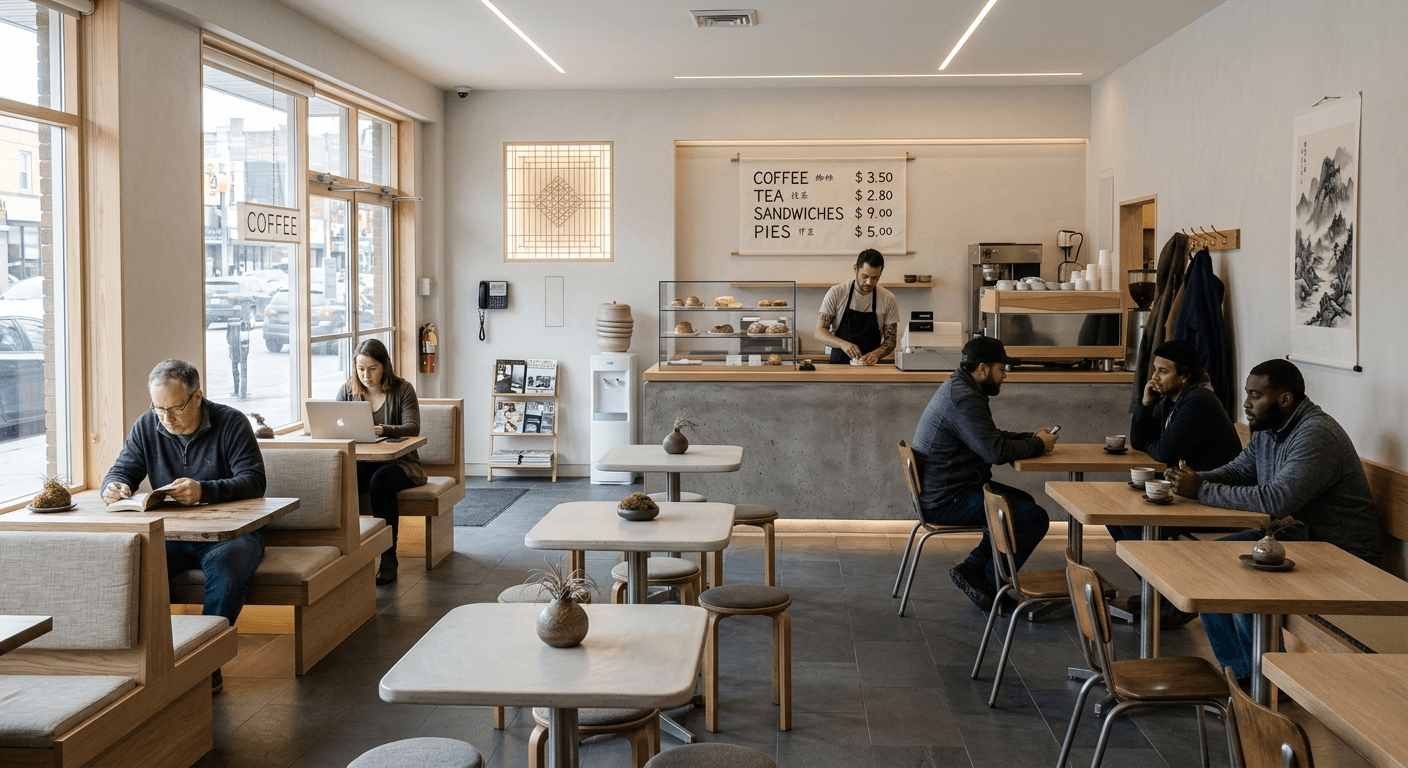
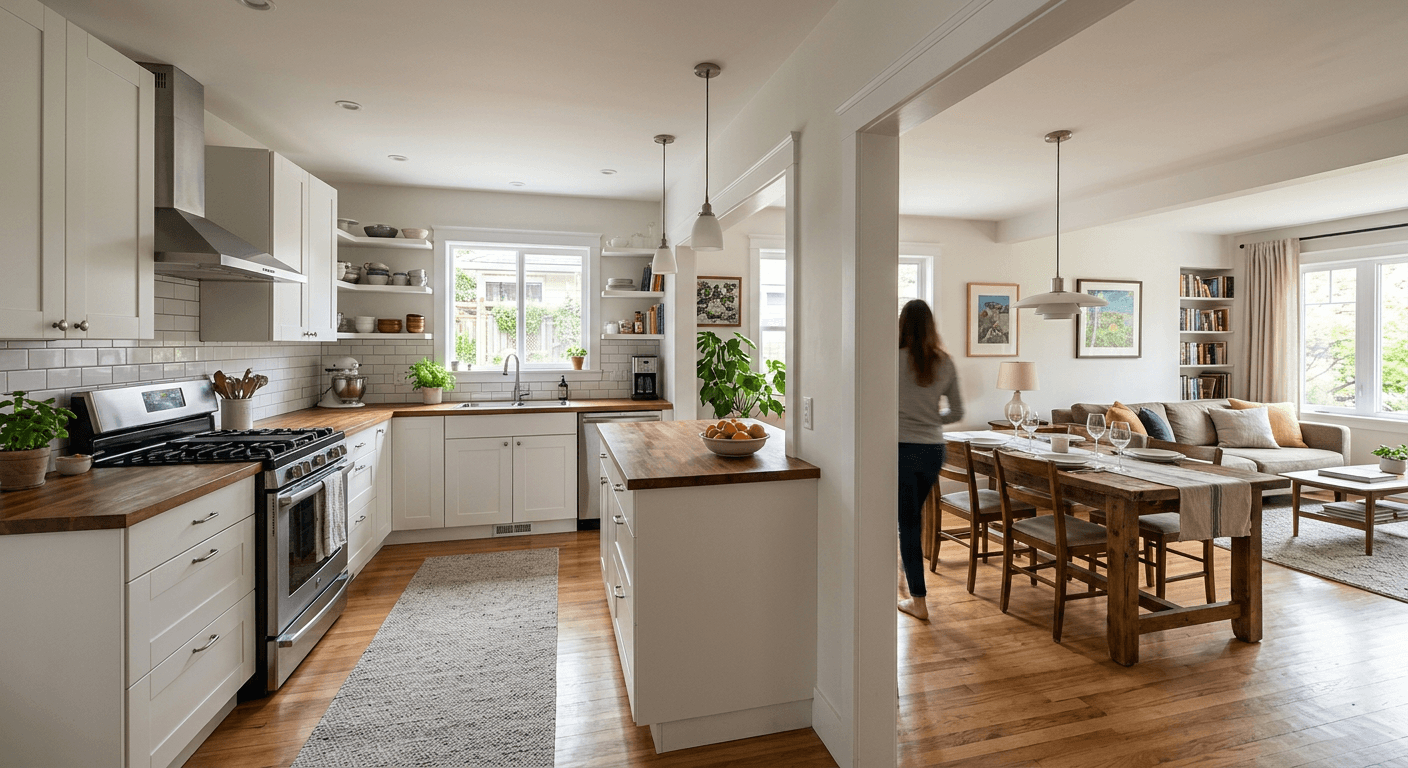
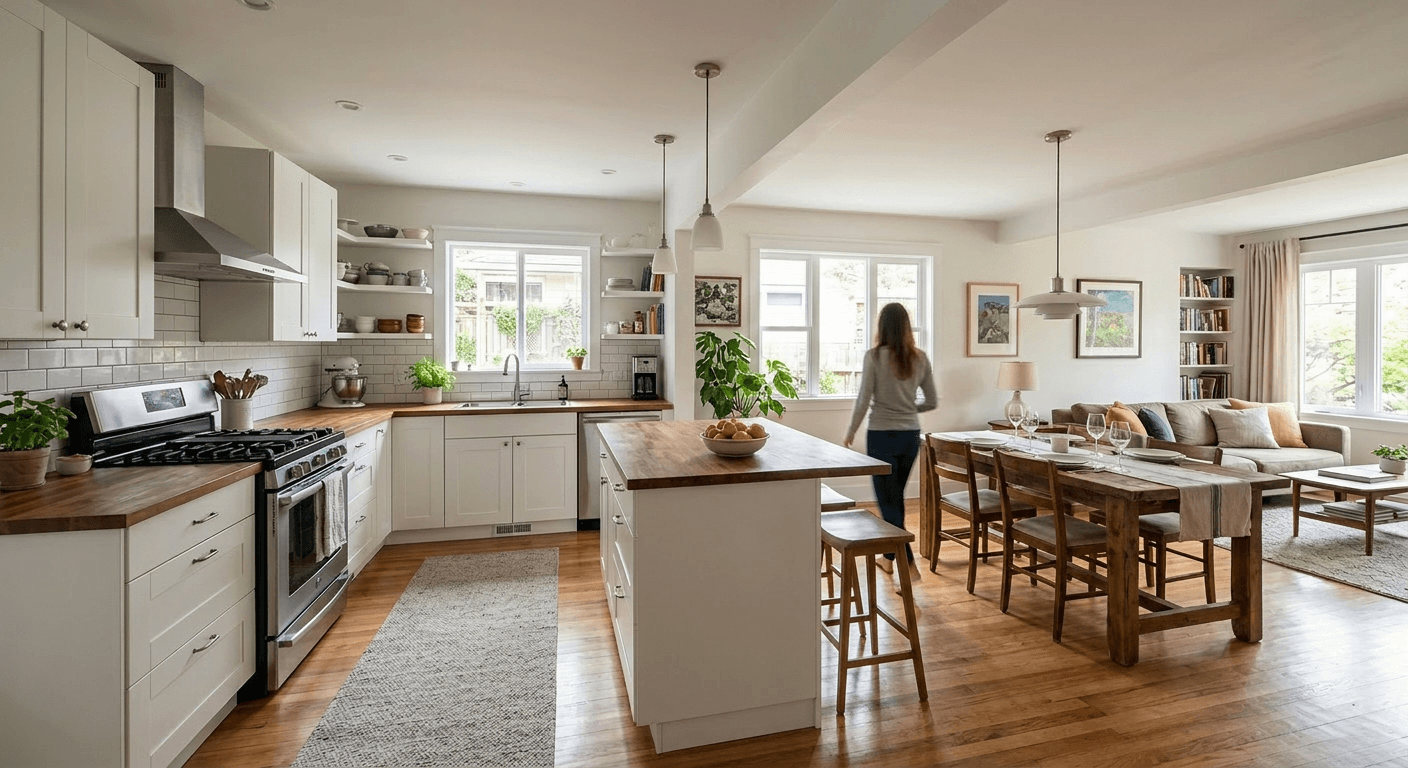
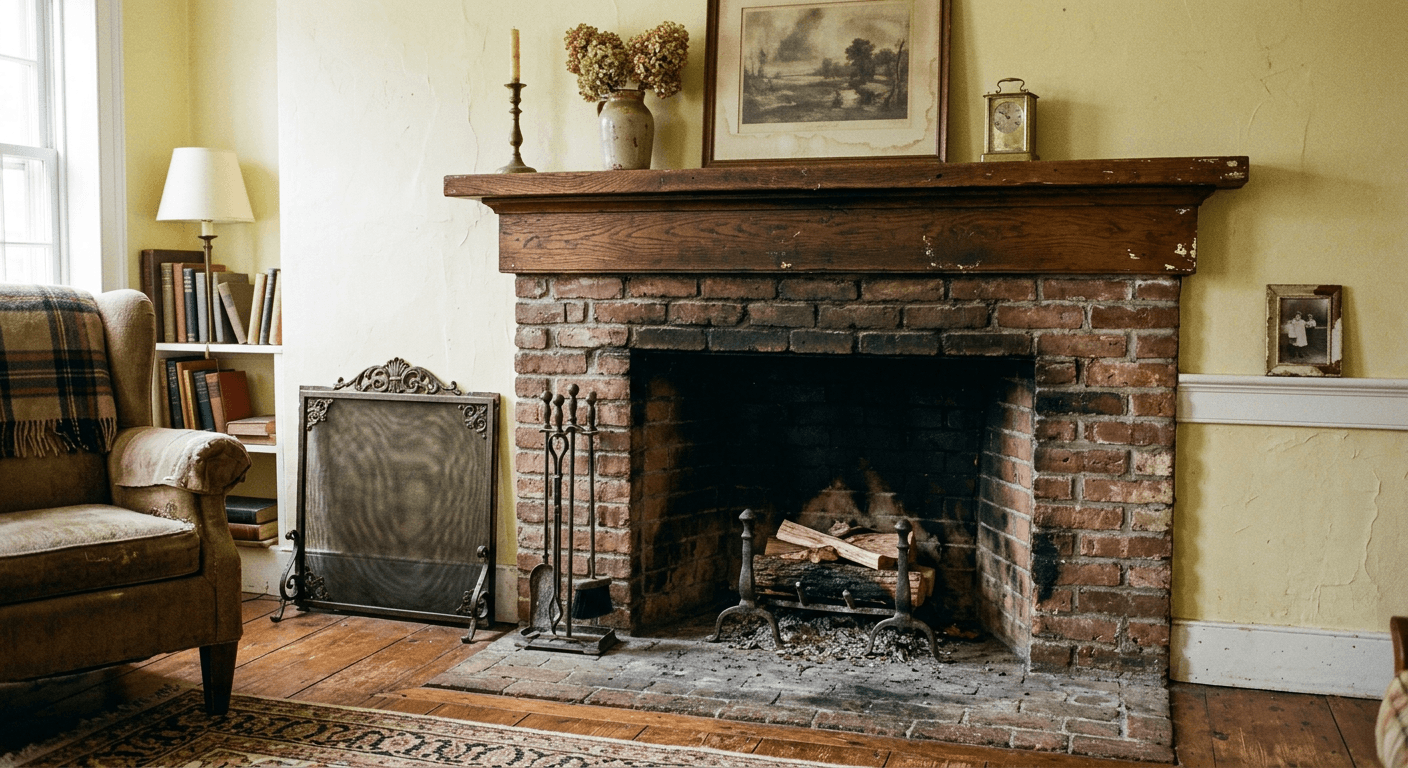
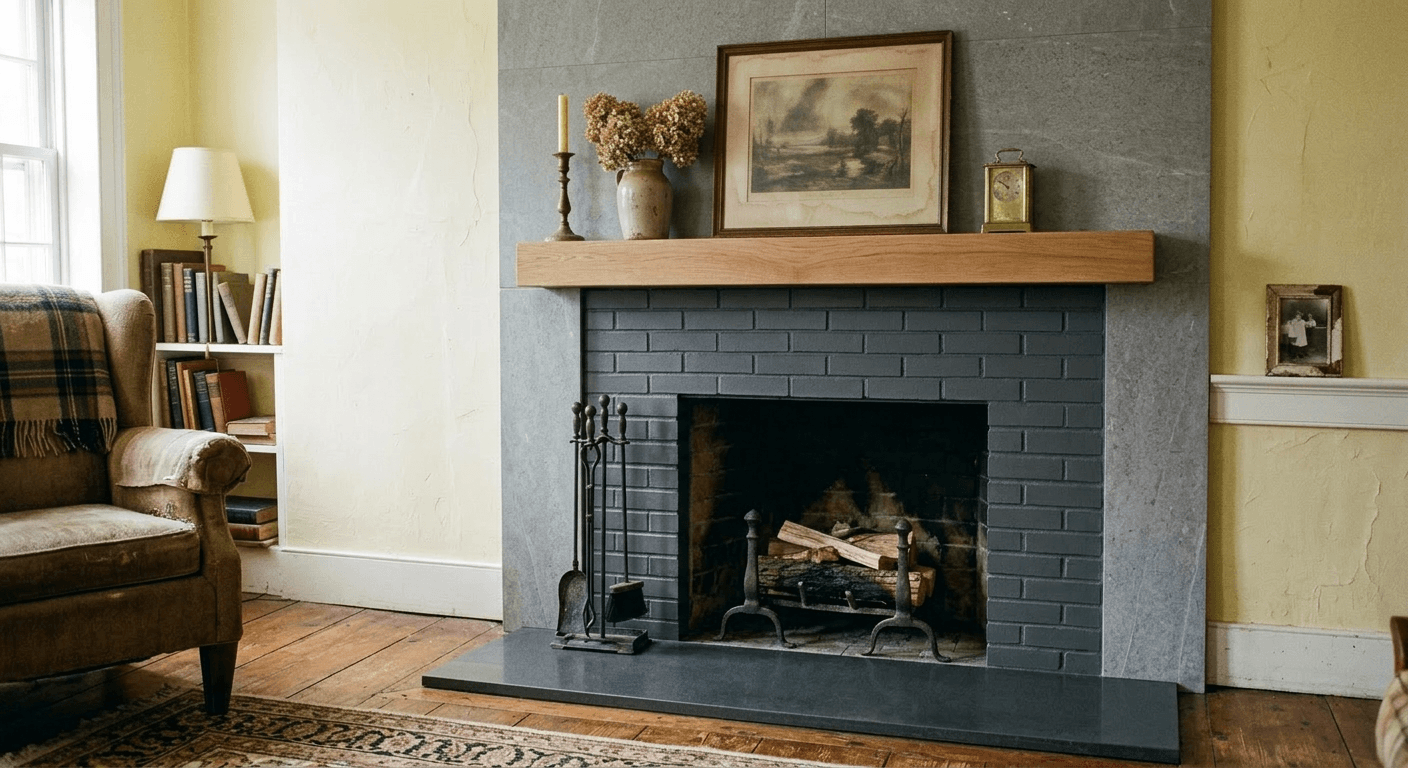
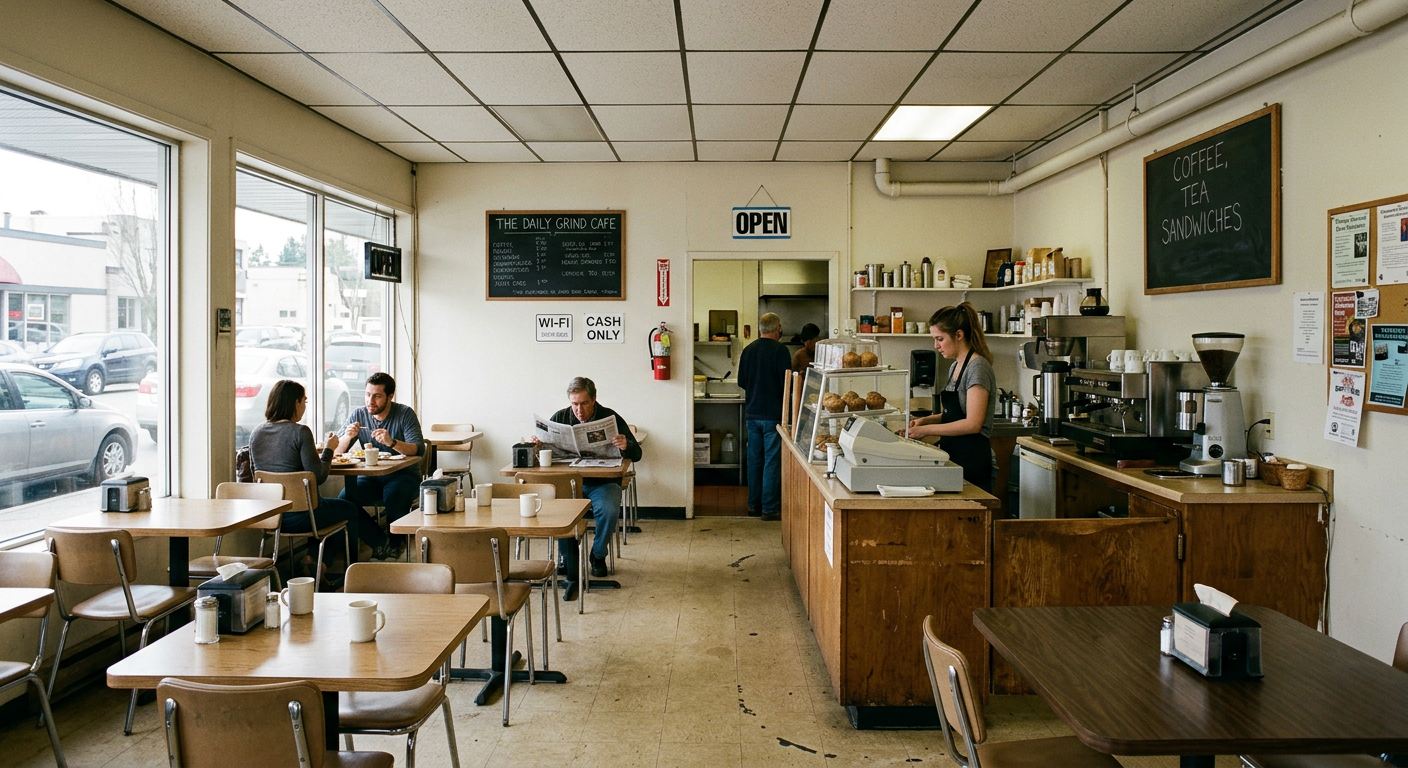
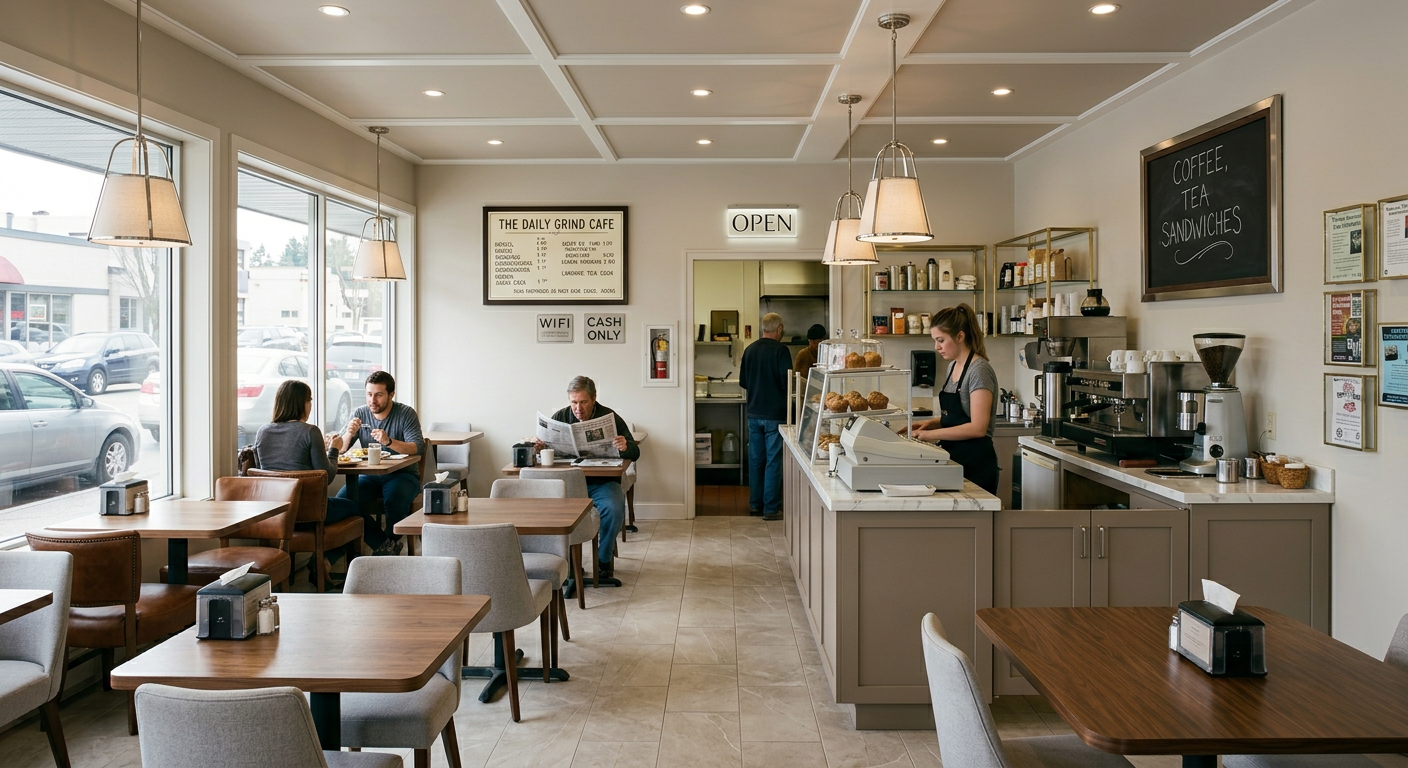
Transitional design is the elusive, highly sought-after middle ground between the ornate details of traditional design and the stark, minimalist approach of contemporary styles. In the context of a cafe interior, achieving a transitional aesthetic means creating an environment that feels simultaneously familiar and fresh, comfortable yet cutting-edge. It avoids the heaviness of purely traditional decor while rejecting the coldness that can sometimes accompany ultra-modern spaces.
Why Transitional Design is Perfect for Hospitality Spaces
Cafes are more than just places to consume coffee; they are third places—social hubs, remote workspaces, and personal retreats. The transitional style excels here because of its inherent versatility. A well-executed transitional cafe appeals to a broad demographic. Older patrons appreciate the subtle nods to classic design and comfortable seating, while younger demographics are drawn to the clean lines, sophisticated color palettes, and Instagram-worthy modern fixtures.
AI-Architectures.com Insight
When utilizing AI to generate transitional concepts, focus your prompts on the interplay of textures. Blending smooth, reflective surfaces (modern) with matte, tactile fabrics (traditional) consistently yields the highest quality architectural visualizations.
Core Elements of a Transitional Cafe Redesign
1. The Color Palette: Serene and Grounded
Transitional spaces rely heavily on neutral, soothing backdrops. Think taupe, warm greys, vanilla, and soft creams. These colors create a canvas that allows both traditional and modern architectural elements to coexist without clashing. In your AI design prompts, specify "monochromatic neutral palette with deep textural contrasts" to generate sophisticated results. Darker accents—like a deep espresso wood stain or matte black metal—can be introduced to ground the space.
2. Furniture: Comfort Meets Clean Lines
The seating in a transitional cafe should prioritize ergonomic comfort without looking overly stuffed. Opt for straight lines combined with gentle curves. For instance, a classic wingback chair silhouette updated with a streamlined, un-tufted back and modern geometric legs is a hallmark of this style. Pairing an organic, live-edge communal table with sleek, mid-century modern inspired acrylic chairs is another excellent prompt strategy.
3. Lighting: The Modern Statement
Lighting is where transitional design allows for dramatic, contemporary flair. While the furniture may lean slightly traditional, lighting fixtures should pull the room into the present day. Think oversized industrial pendants over the barista station, sleek brass linear suspension lights, or abstract geometric chandeliers. These pieces act as the jewelry of the space, contrasting beautifully against more subdued architectural backgrounds.
4. Materials and Textures: The Art of Layering
Because the color palette is restrained, visual interest must be generated through texture. AI models excel at rendering complex material interactions. Instruct the AI to layer materials: polished quartz or Carrera marble countertops against warm, textured walnut wood slatted walls. Introduce plush velvets or soft bouclé on the seating, contrasting with smooth, polished concrete flooring or classic herringbone hardwoods.
How AI is Revolutionizing Cafe Interior Architecture
Historically, conceptualizing a commercial redesign was a slow, expensive process involving weeks of drafting, 3D modeling, and rendering by specialized firms. Today, leveraging advanced AI through platforms like AI-Architectures.com changes the paradigm entirely.
- Rapid Iteration: Generate dozens of transitional variations in the time it takes to brew a pour-over. Experiment with different floor plans, lighting schemes, and material boards instantly.
- Cost-Effective Visualization: Eliminate the need for costly initial renders. You can define your exact stylistic preferences and see them materialized before committing a single dollar to physical materials or contractors.
- Enhanced Client Communication: If you are an architect or interior designer pitching a cafe owner, AI allows you to instantly pivot based on their feedback. "Too modern? Let's add wainscoting and warmer lighting." The updated visual is ready in moments.
- Precision in Prompting: Advanced AI models understand complex architectural terminology. You can specify exact lighting temperatures (e.g., "3000K ambient lighting"), specific joint types, and architectural eras to finely tune your transitional blend.
Maximizing ROI with a Transitional AI Redesign
Investing in the interior architecture of a cafe is a direct investment in customer retention and brand perception. A transitional design ensures longevity; it will not feel dated in three years like highly trendy styles might. By utilizing AI to plan this redesign, cafe owners dramatically reduce pre-construction costs and mitigate the risk of aesthetic missteps. You get to test-drive your space digitally, ensuring every square foot is optimized for both visual impact and operational flow.
Embrace the future of spatial design. Whether you are opening a new specialty coffee shop or renovating a neighborhood staple, the intersection of transitional elegance and artificial intelligence offers an unparalleled advantage in modern architecture. Start generating your ultimate cafe space today right here on AI-Architectures.com.