Exterior Architecture & Artificial Intelligence

Redesign Your Patio in Zen Style with AI

At AI-Architectures.com, we believe that outdoor spaces are not mere appendages to a home, but vital sanctuaries for the mind. Discover how generative artificial intelligence merges with the ancient philosophies of Zen, Wabi-Sabi, and Kanso to transform an ordinary patio into a profound architectural retreat.

Experience the AI-Architectures Engine

Utilize our proprietary integration below to instantly visualize your space. The AI evaluates spatial constraints and applies rigorous Zen design principles to generate a bespoke architectural rendering.

The Philosophy of Zen Meets Computational Design

The traditional Zen garden, or karesansui, is a masterpiece of minimalist landscape architecture. It relies on the precise arrangement of natural elements—stone, water, wood, and flora—to evoke a sense of deep tranquility and introspection. Historically, achieving this delicate balance required years of study and an innate understanding of spatial harmony. Today, through the lens of AI-Architectures.com, we harness advanced machine learning models trained on centuries of architectural data to democratize and perfect this art form.

Redesigning your patio in a Zen style with AI is not merely about applying a visual filter; it is an algorithmic approach to finding equilibrium. The AI analyzes the dimensions, existing light vectors, and structural boundaries of your current space, cross-referencing them against the core tenets of Zen aesthetics: Kanso (simplicity), Fukinsei (asymmetry), and Shibumi (understated elegance).

Visualizing the Transformation

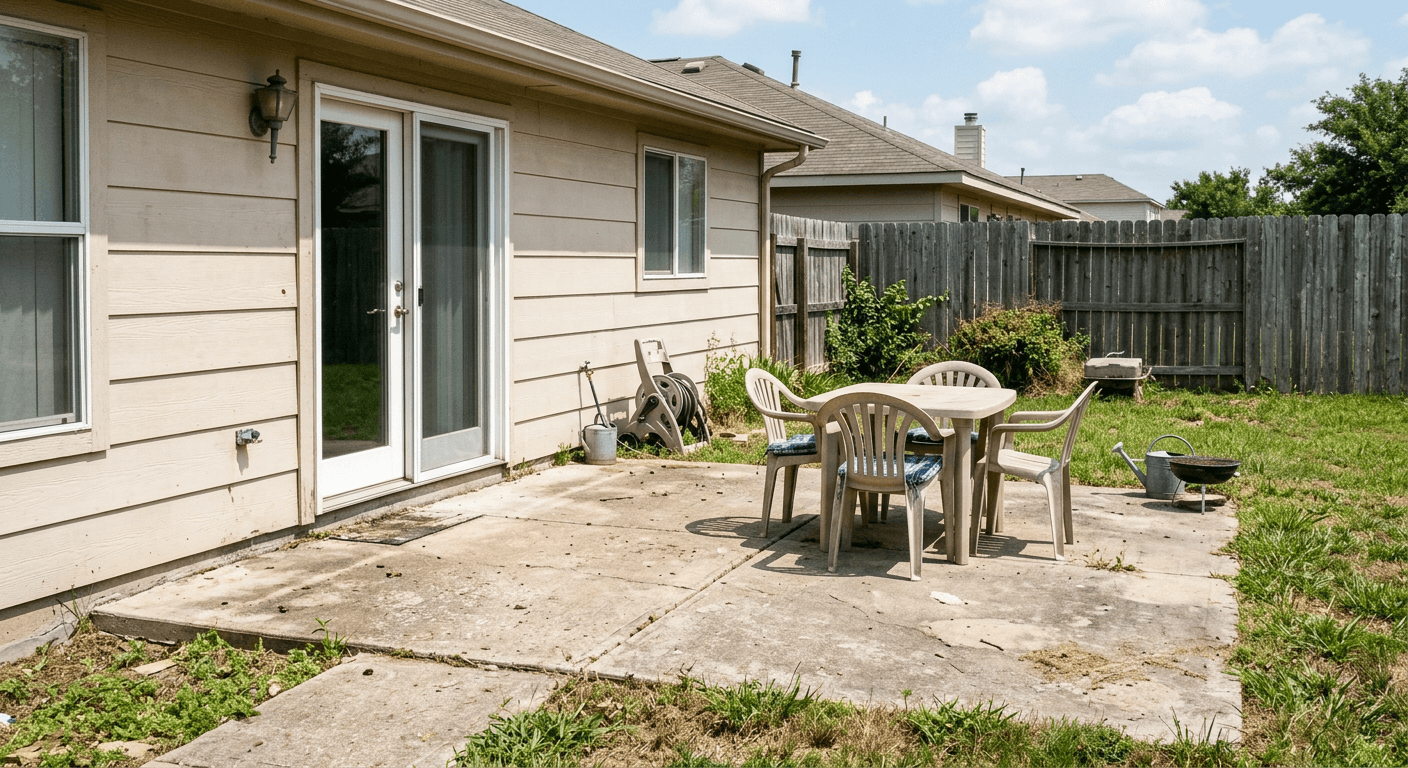
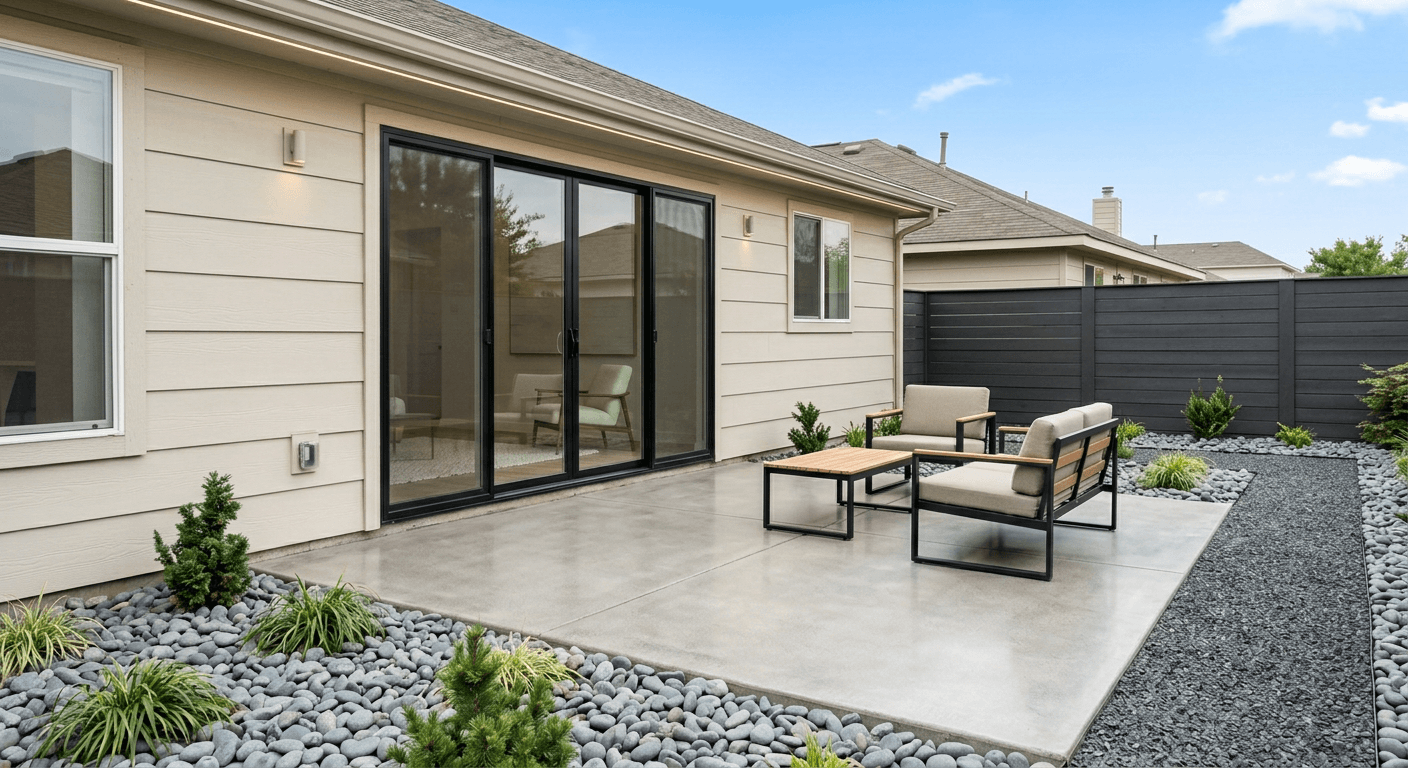
Observe how our AI engine interprets a barren, uninspired concrete slab and meticulously reconstructs it into a cohesive Zen sanctuary, honoring natural textures and meditative spatial flow.

Before
Standard empty concrete patio before AI architectural redesign
The Blank CanvasA typical residential patio characterized by harsh concrete, lack of organic integration, and inefficient use of natural lighting. The space lacks focal points and emotional resonance.
After (AI Generated)
Tranquil Zen patio after AI architectural redesign featuring wood, stone, and minimalist lighting
The AI-Architectures MasterpieceThe AI has introduced warm cedar decking, a curated stone garden, minimalist privacy screens, and ambient lower-level lighting. The space is now highly textured, purposeful, and deeply calming.

Core Algorithmic Elements of a Zen Patio

1. Algorithmic Materiality

AI-Material-Mapping™

When prompting AI to redesign your patio, material selection is paramount. AI-Architectures utilizes models that comprehend the aging process of materials (Wabi-Sabi). The AI will suggest elements like Ipe wood, which silvers beautifully over time, or Corten steel planters that develop a rich, protective rust patina. It replaces harsh, reflective surfaces with matte, light-absorbing textures such as basalt or river-washed pebbles.

2. Spatial Fluidity & Ma

Negative-Space-Calculus

In Japanese design, Ma is the concept of negative space—the emptiness that gives form its meaning. Our AI engines are uniquely programmed to resist the urge to over-furnish. By analyzing the footprint of your patio, the AI creates intentional voids, ensuring that the distance between a bamboo water feature and a seating area feels deliberately expansive, thereby lowering cognitive load and inducing relaxation.

3. Biophilic Light Integration

Lumen-Optimization-Matrix

A Zen patio is transformed by how light plays across its surfaces. Using AI, homeowners can simulate different times of day. The AI intelligently places architectural lighting—such as low-voltage LED strips hidden under wooden steps or soft uplighting illuminating the architectural structure of a Japanese Maple tree. The result is a patio that transitions seamlessly from a sunlit meditation space to an intimate, glowing evening retreat.

How to Engineer Your Zen Space with AI

Follow this systematic approach to get the most out of generative architectural tools at AI-Architectures.

1

Audit the Canvas

Begin by taking a clear, well-lit photograph of your existing patio. Ensure structural boundaries, adjacent walls, and flooring are visible for the AI to map accurately.

2

Define the Prompt

Use descriptive, architecturally sound keywords. Instead of "make it nice," use "minimalist Zen garden, horizontal wood slatted privacy screen, raked gravel."

3

Iterate & Refine

AI architecture is an iterative dialogue. Adjust the prompt to change the time of day, swap materials (e.g., from slate to sandstone), or add specific botanical elements.

4

Execute the Vision

Take the AI-generated high-resolution rendering to your landscape architect or contractor. The photorealistic output serves as a precise visual blueprint.

Embracing the Future of Tranquility

The juxtaposition of deeply traditional Zen philosophies with bleeding-edge artificial intelligence might seem paradoxical. Yet, as demonstrated on AI-Architectures.com, AI possesses the computational power to solve complex spatial problems, allowing the pure, unadulterated essence of Zen design to shine through. Redesigning your patio is no longer a guessing game; it is a precise, inspiring journey into outdoor serenity.