See a Hot Tub on Your Deck, Patio, or Backyard.
Placement, Surroundings, & Ambiance — Previewed.
Integrating a hot tub into your exterior architecture is a major investment in both structure and lifestyle. Eliminate the guesswork. With the cutting-edge neural rendering technology at ai-architectures.com, you can generate hyper-realistic visualizations of spatial placement, integrated decking, privacy screens, and twilight ambiance—instantly.
Precision Architectural Transformation
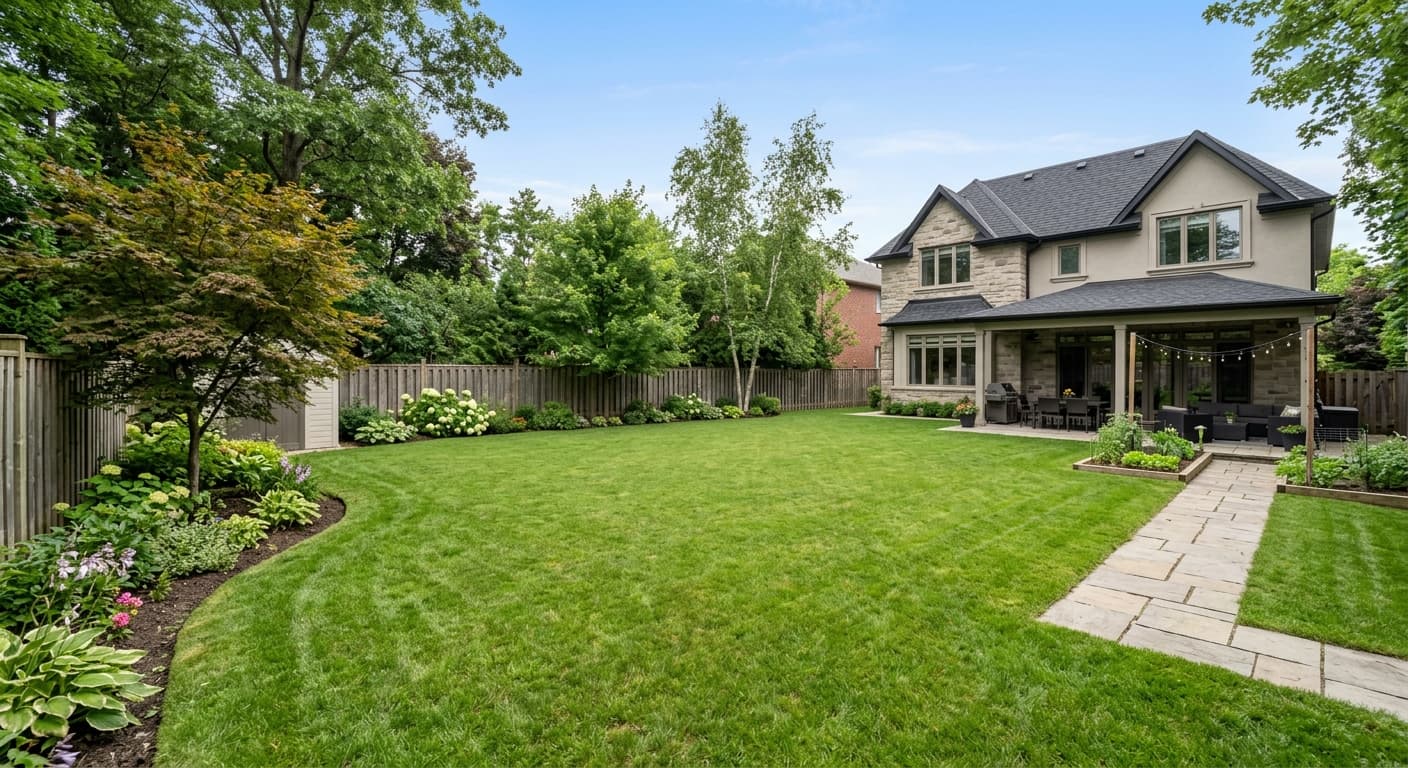
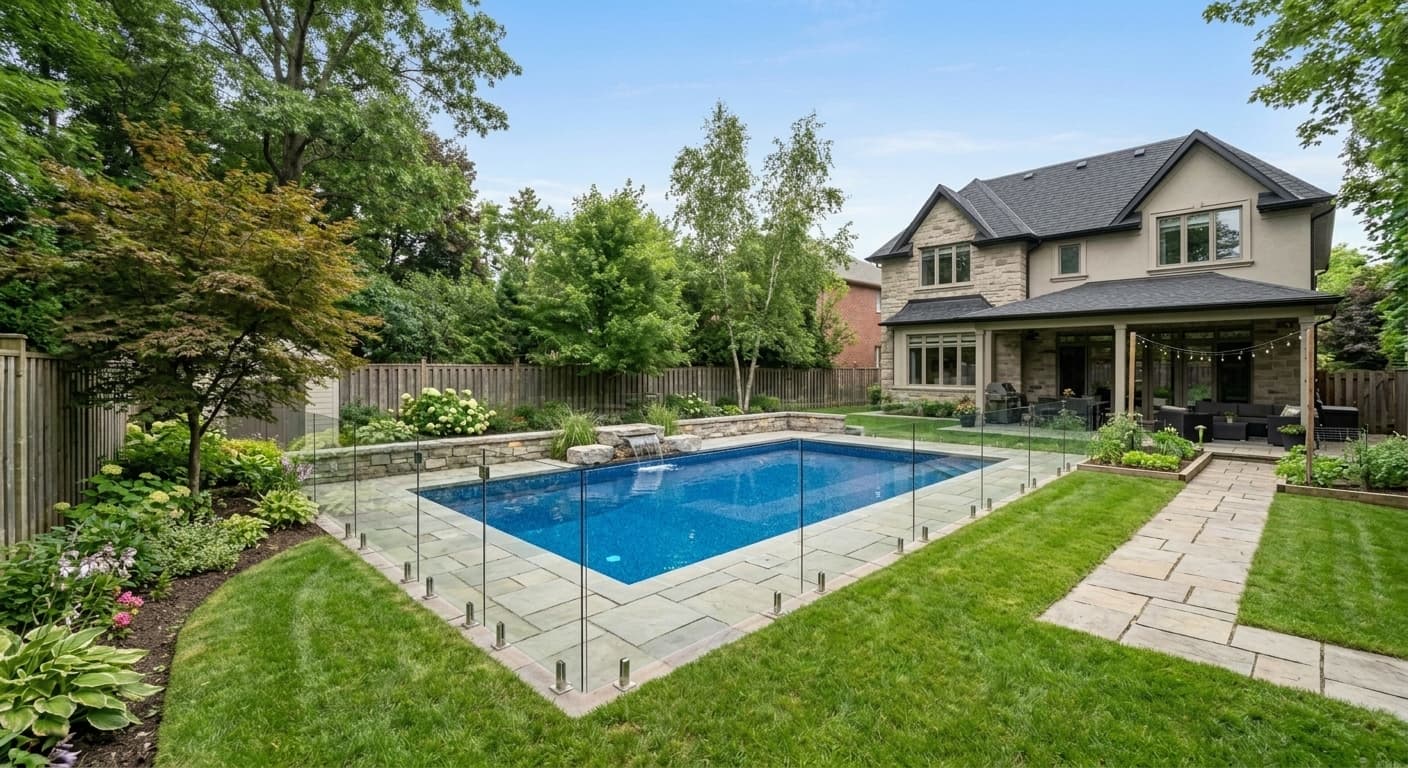
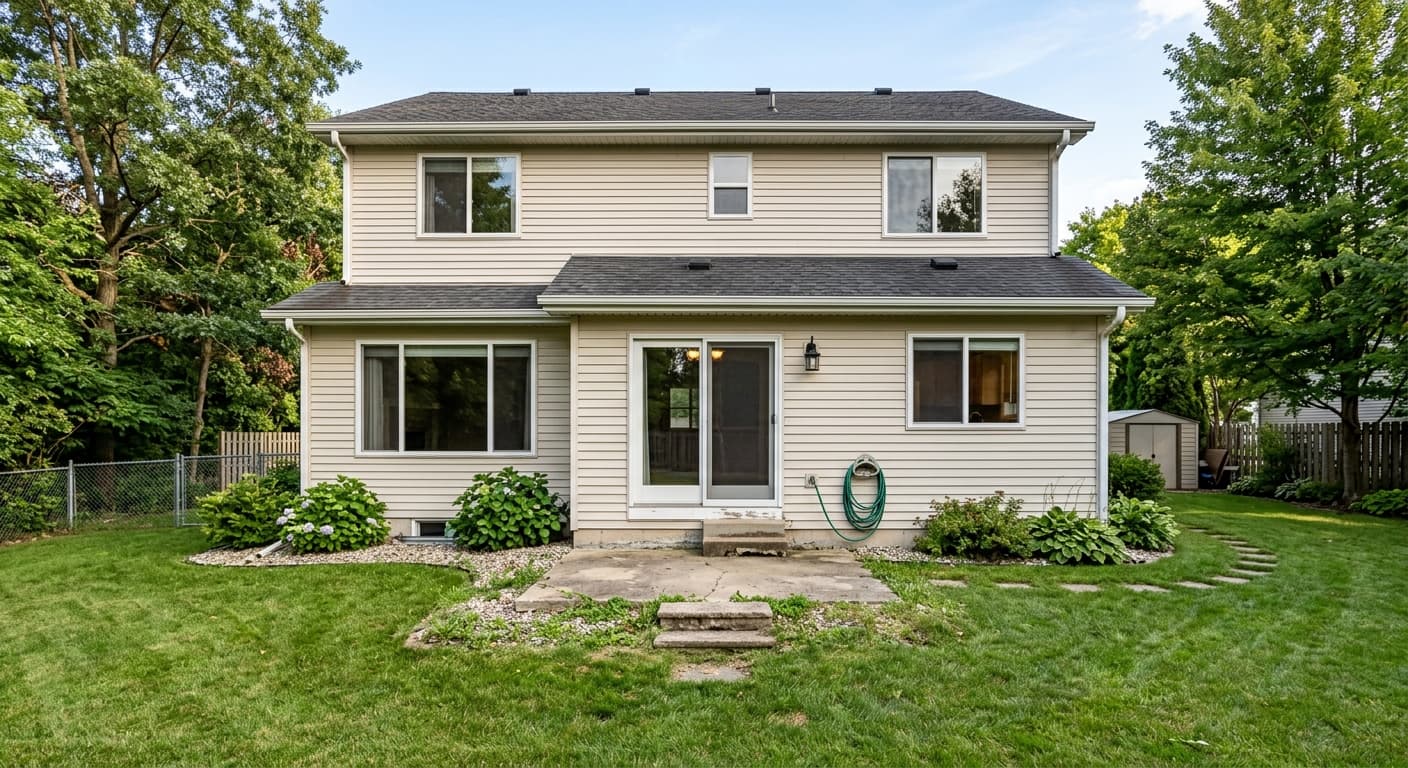
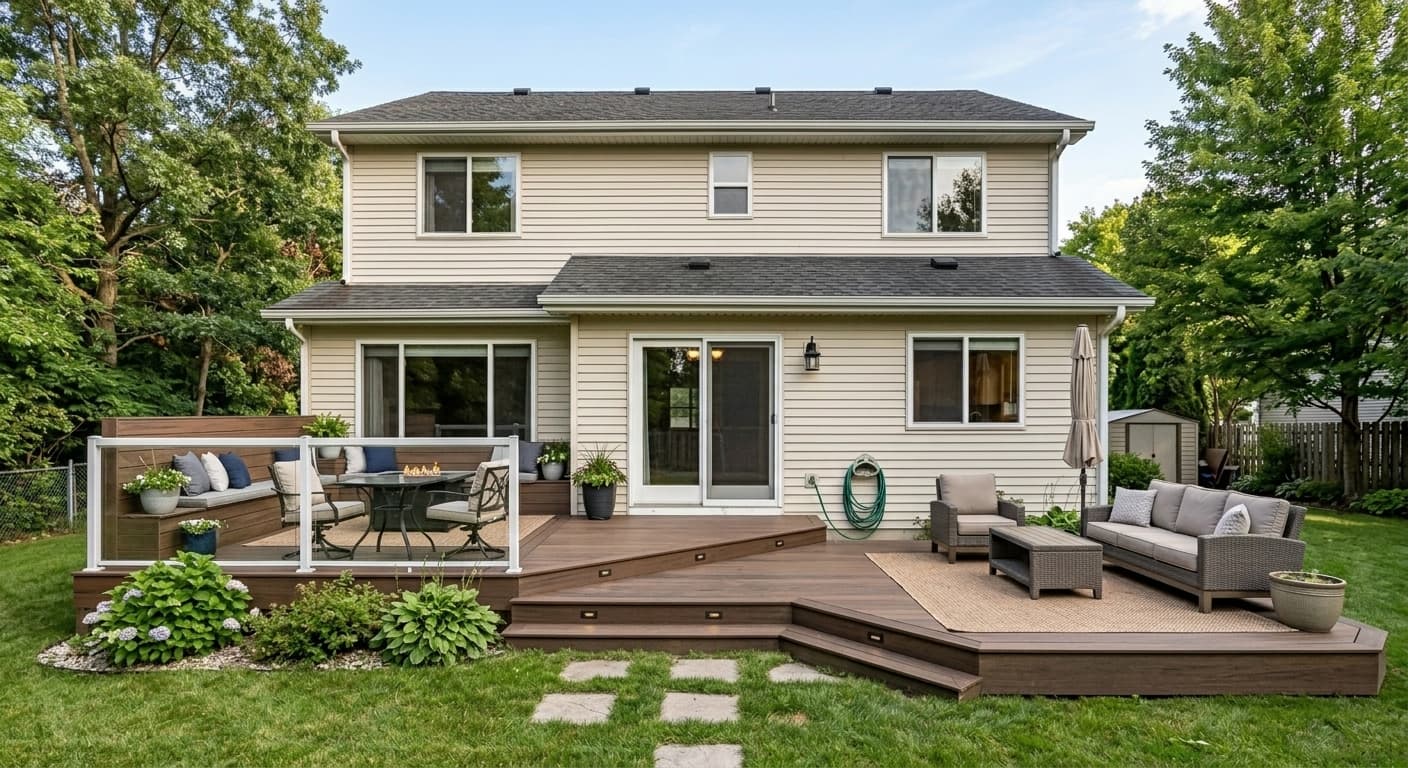
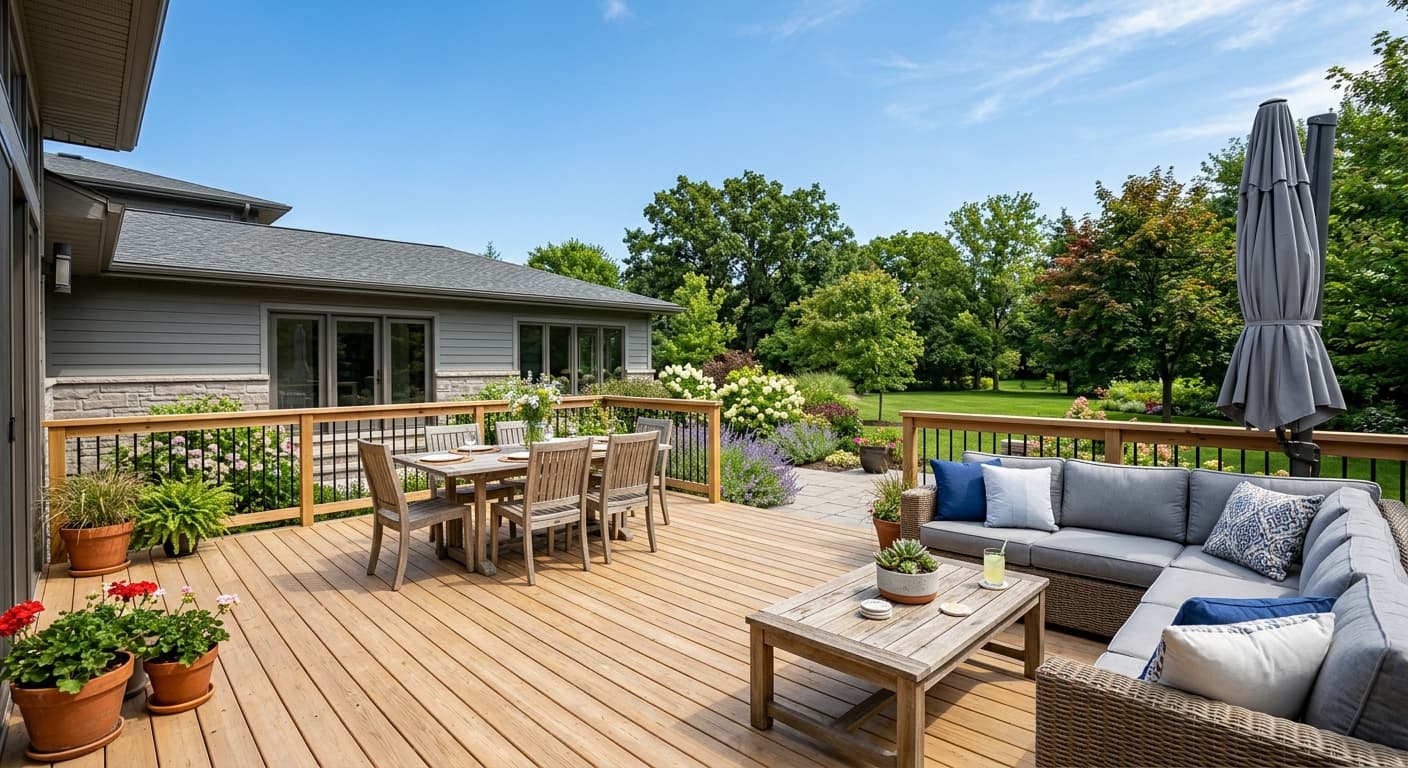
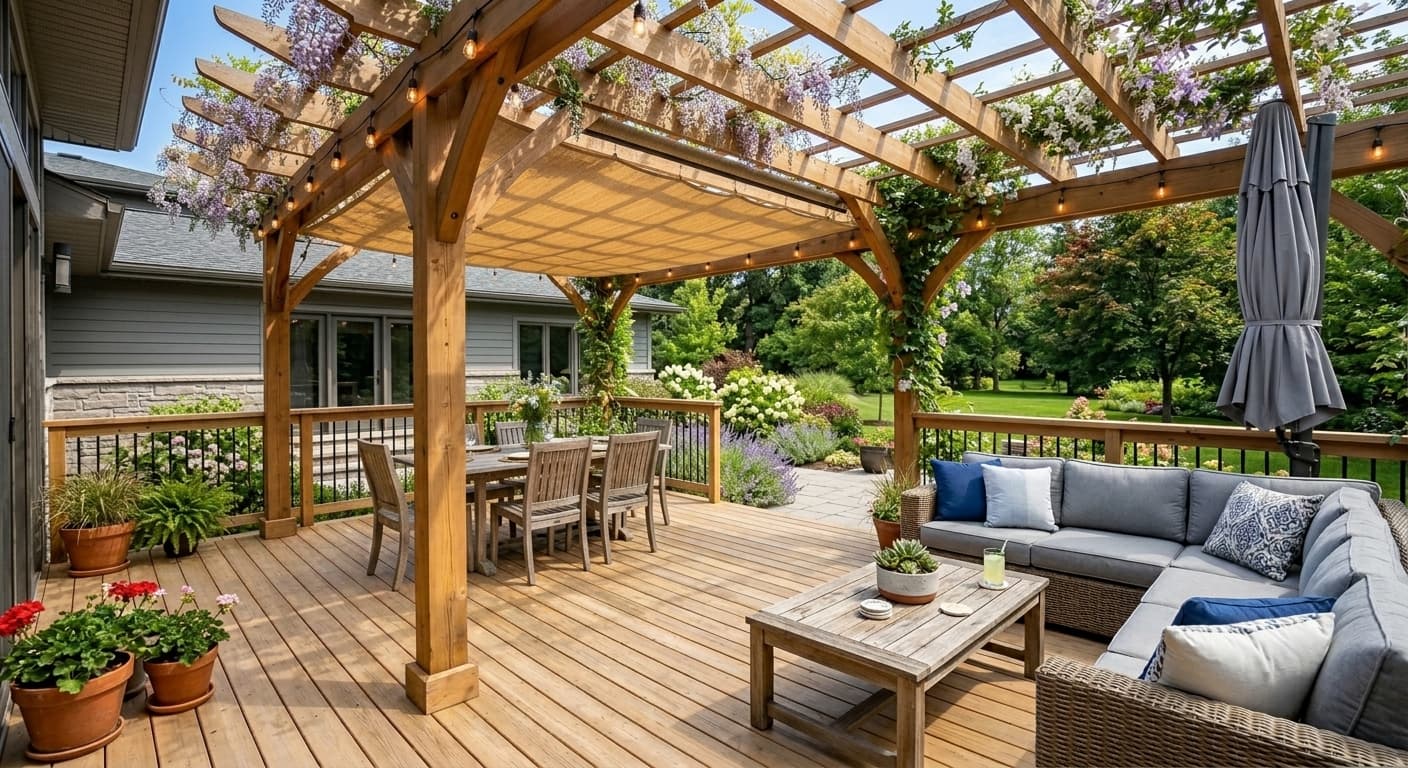
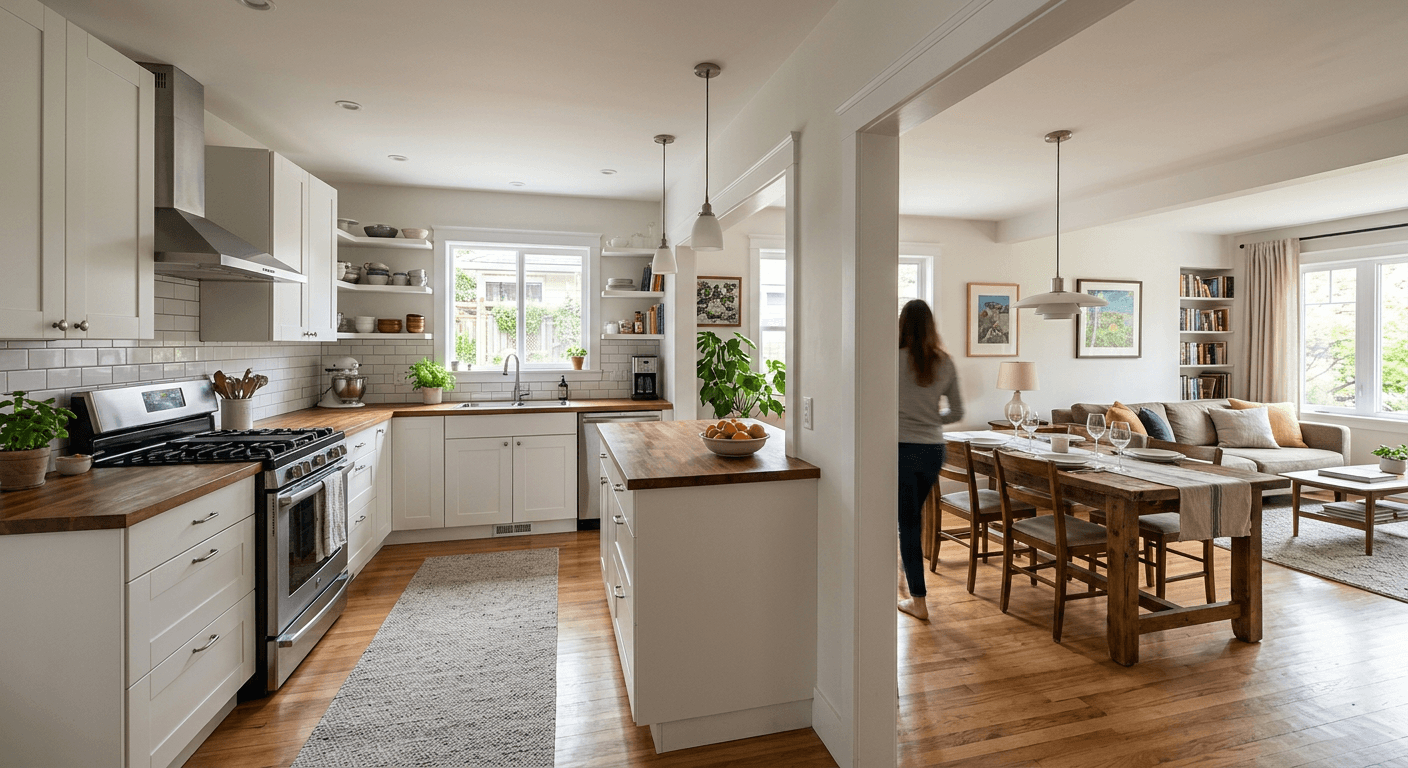
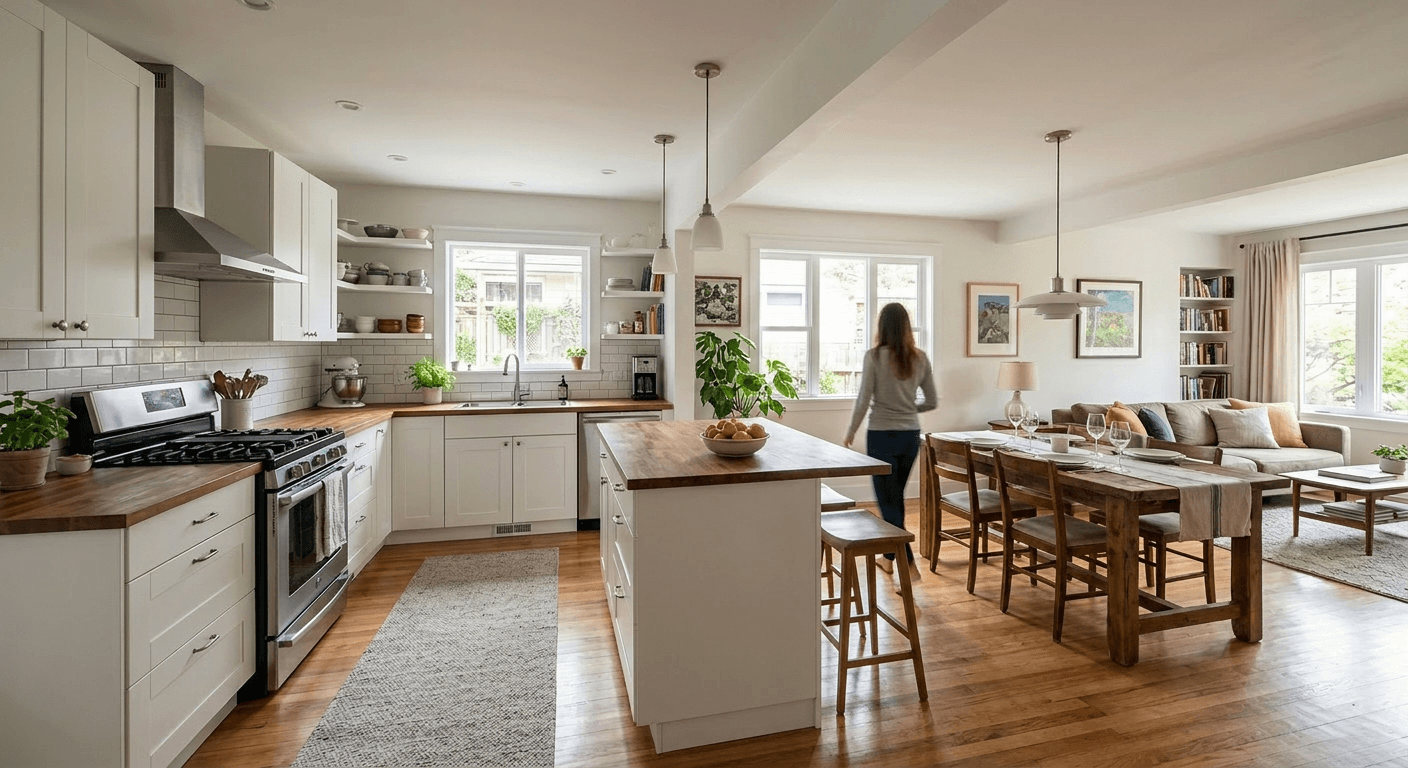
Watch as an empty, unutilized backyard space is mathematically analyzed and transformed into a luxurious, purpose-built spa retreat.
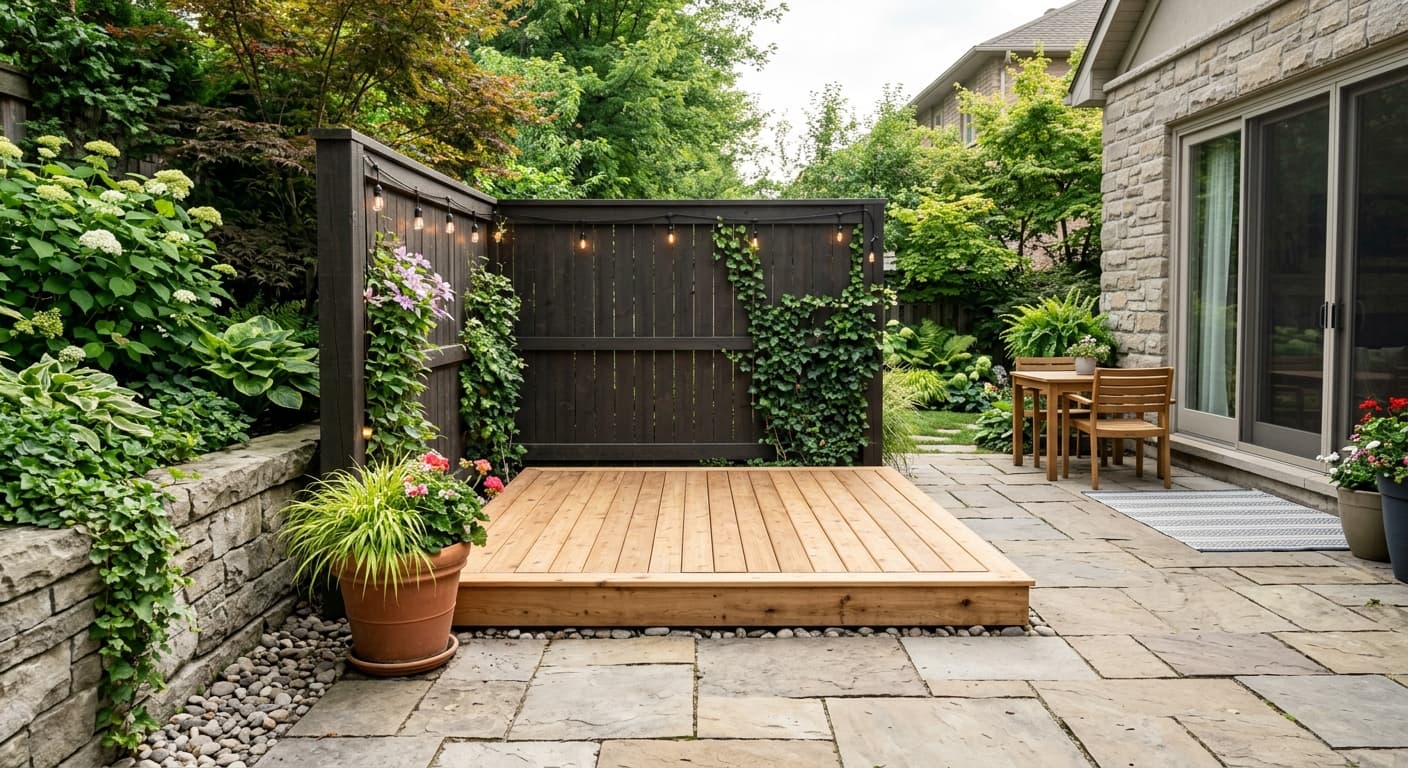
The Blank Canvas
Before visualization, the spatial potential is difficult to grasp. Questions regarding scale, visual weight, traffic flow, and the disruption of existing sightlines often paralyze the design process.
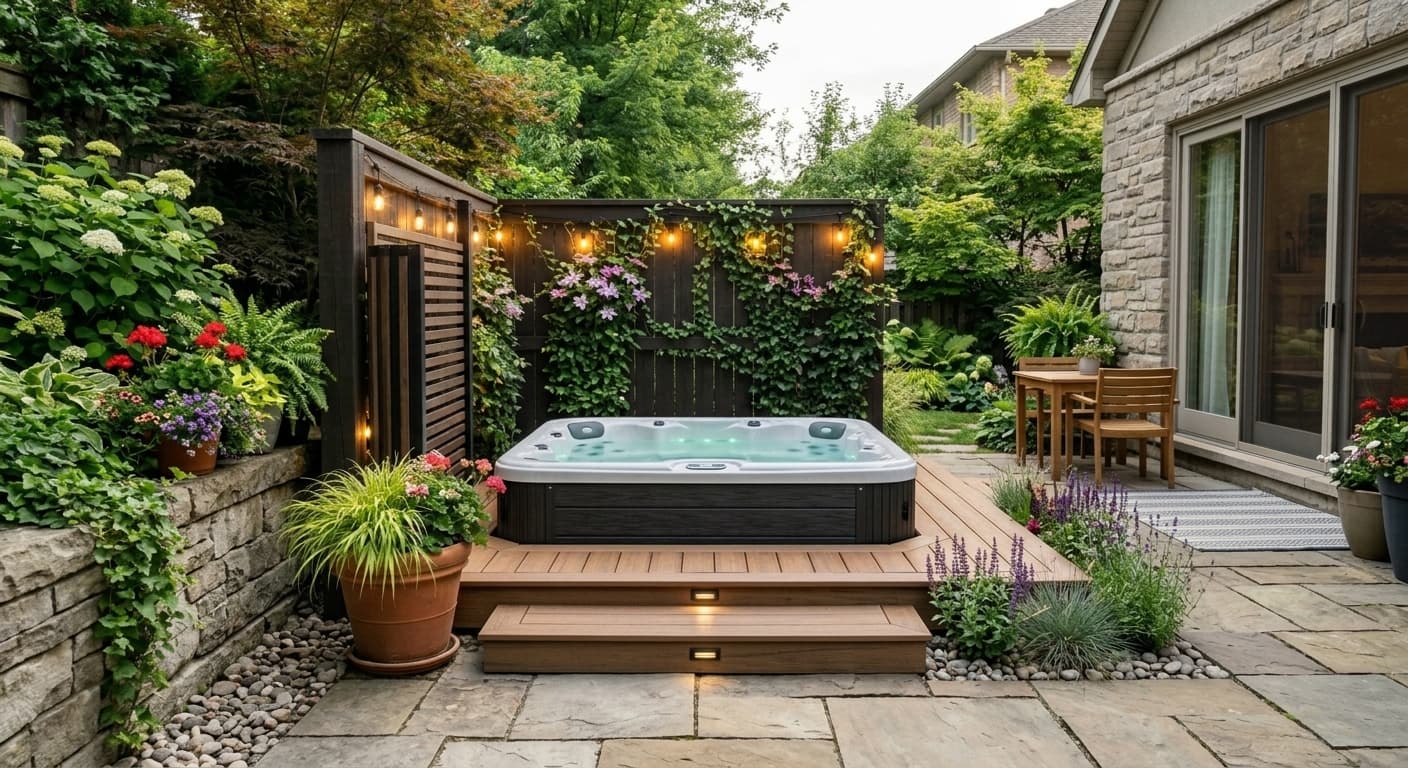
The Realized Vision
Post-generation, the hot tub is harmoniously integrated. AI evaluates lighting physics, material textures (wood, stone, water), and spatial depth to present a photorealistic preview of the finalized architectural addition.
Design Your Custom Spa Experience
Describe your ideal hot tub placement, decking materials, privacy features, and lighting conditions. Our AI will instantly render your architectural concept.
The Architectural Importance of Hot Tub Placement
A hot tub is not merely an accessory; it is a significant architectural intervention. When filled with water and occupants, a standard spa can weigh upwards of 5,000 pounds. This necessitates rigorous spatial planning and structural foresight. At ai-architectures.com, we believe that exceptional landscape architecture begins with a flawless conceptual preview. Our AI visualization tools allow homeowners, landscape architects, and contractors to explore the optimal placement of a hot tub on a deck, patio, or backyard before committing to expensive structural modifications.
1. Evaluating Structural Integrity and Surface Materials
Will your hot tub sit on an existing wooden deck, a poured concrete patio, or a custom-built gazebo pad? Each surface dictates a distinct aesthetic and requires specific load-bearing capacities. By utilizing our AI generation tools, you can visually compare different foundations. See how a rich cedar deck contrasts against the acrylic shell of the spa, or visualize a sleek, minimalist concrete surround that speaks to contemporary design sensibilities.
2. Privacy, Sightlines, and Micro-Zoning
The quintessential hot tub experience hinges on intimacy and privacy. Placing a spa in the middle of a vast lawn often feels exposed and vulnerable. Conversely, tucking it too tightly against a dwelling can make the space feel cramped and limit maintenance access. Effective spatial planning involves creating "micro-zones." With AI visualization, you can instantly render privacy solutions such as:
- Architectural Louvers & Pergolas: Preview how slatted wood or modern metal pergolas cast shadows and obscure lines of sight from neighboring properties.
- Strategic Landscaping: Visualize mature bamboo, tall ornamental grasses, or dense evergreen hedges wrapping around the spa to create a biophilic, natural enclosure.
- Elevation Changes: See the dramatic effect of a sunken hot tub versus an above-ground installation with wrap-around steps.
3. Ambiance, Lighting, and The Twilight Experience
A hot tub is predominantly utilized in the evening, making lighting an absolutely critical component of the design. Traditional blueprints and 2D sketches fail to capture the emotive quality of light. The AI engine at ai-architectures.com excels in photometric rendering.
Imagine previewing the warm, amber glow of underwater LED lights refracting through the water and casting ripples onto an adjacent stone wall. You can prompt the visualizer to include integrated deck step lights, romantic string lights draped overhead, or even a nearby fire pit that complements the thermal experience of the spa. Visualizing the ambiance ensures that the final installation evokes the precise mood you desire—whether that is a high-energy entertainment hub or a tranquil, zen-like meditation retreat.
Why Use AI for Exterior Spatial Planning?
Traditional landscape design relies heavily on imagination, and misunderstandings between clients and contractors often lead to costly change orders. By leveraging AI-driven architectural visualization, you generate a shared, photorealistic visual language. You can iterate through dozens of variations—swapping a round cedar hot tub for a modern square acrylic model, or moving it from the patio to the lawn—in seconds, ensuring total confidence in your ultimate design decisions.
4. Seamless Integration and Access Flow
How will you navigate from your back door to the hot tub in the dead of winter? The path of travel is a vital architectural consideration. Visualizing the pathway allows you to plan for slip-resistant materials, protective overhangs, and towel storage proximity. Furthermore, by previewing the entire backyard ecosystem, you can ensure the hot tub doesn't obstruct the flow to other key areas, such as the outdoor kitchen, dining space, or pool.
"The difference between a hot tub that feels like an afterthought and one that feels like a bespoke resort amenity comes down entirely to pre-construction visualization and spatial context."
Elevate Your Backyard Architecture Today
At ai-architectures.com, we are dedicated to pushing the boundaries of what is possible in digital spatial planning. Whether you are a homeowner dreaming of a backyard oasis, a real estate professional looking to showcase property potential, or a landscape architect seeking rapid prototyping tools, our AI visualizer provides unparalleled clarity. Don't leave your hot tub placement to chance—preview the placement, perfect the surroundings, and master the ambiance before the first board is ever cut.