Transform Tight Spaces: Make Rooms Feel More Spacious in Listing Photos
In the competitive world of real estate and architectural photography, small rooms often fail to translate their true potential through a camera lens. At ai-architectures.com, our advanced spatial awareness algorithms apply slight, realistic perspective adjustments to make narrow spaces feel open, inviting, and highly marketable—without compromising architectural integrity.
The Power of Subtle Perspective AI
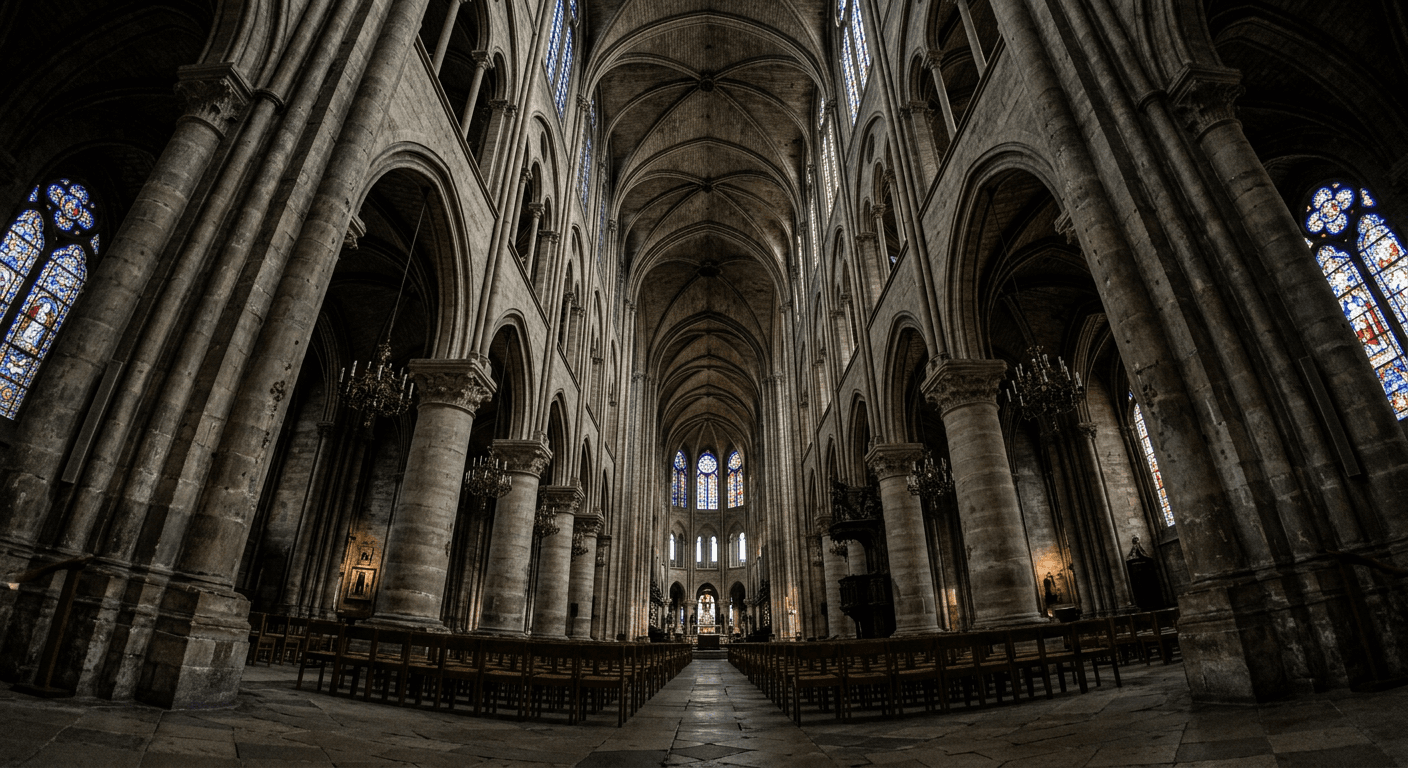
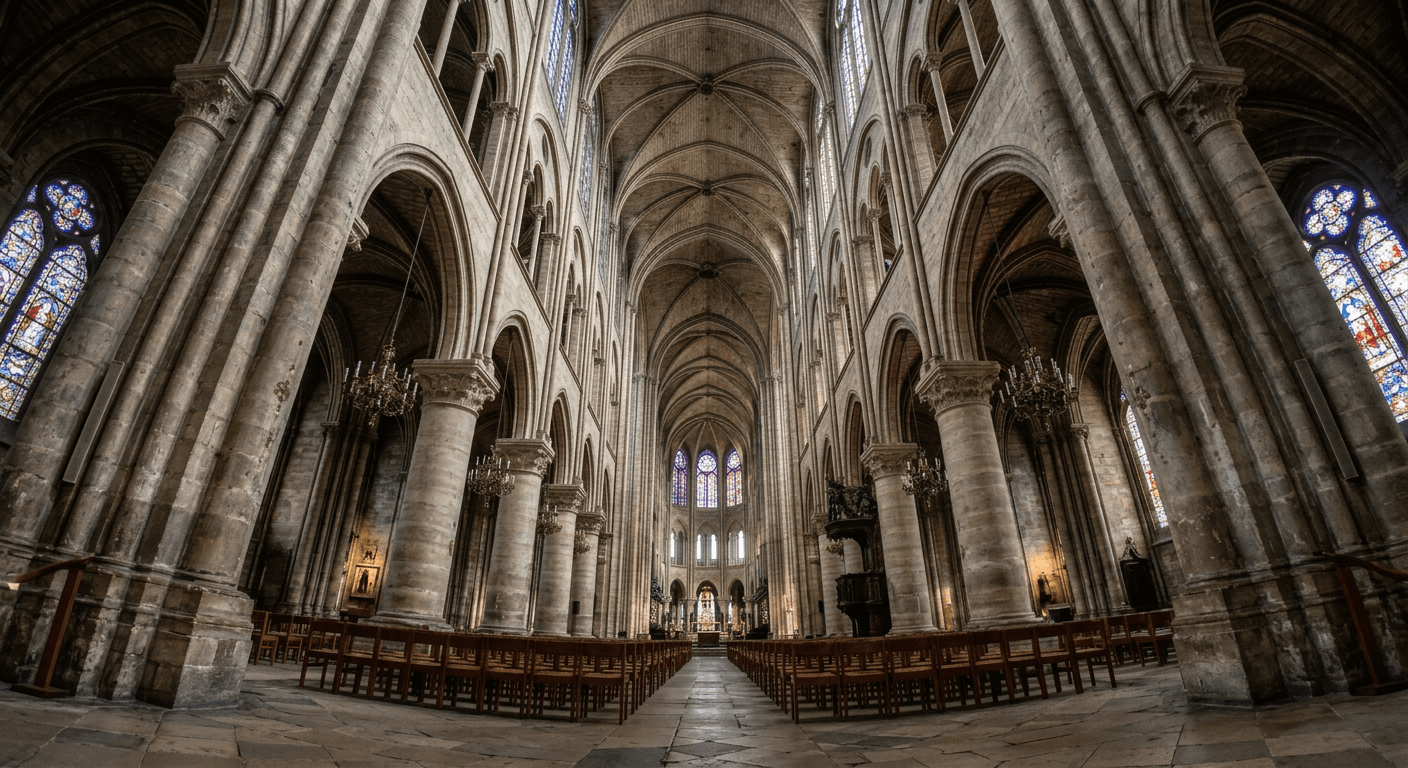
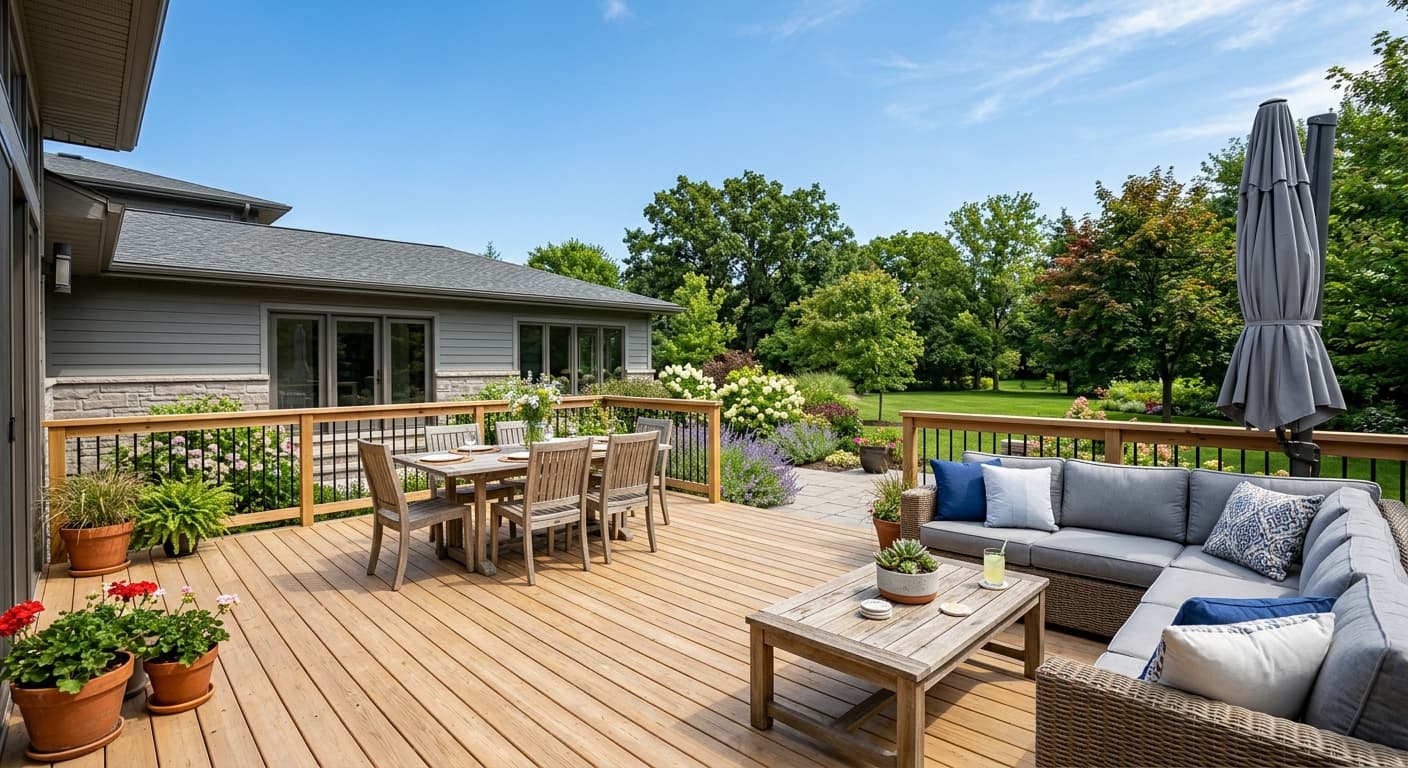
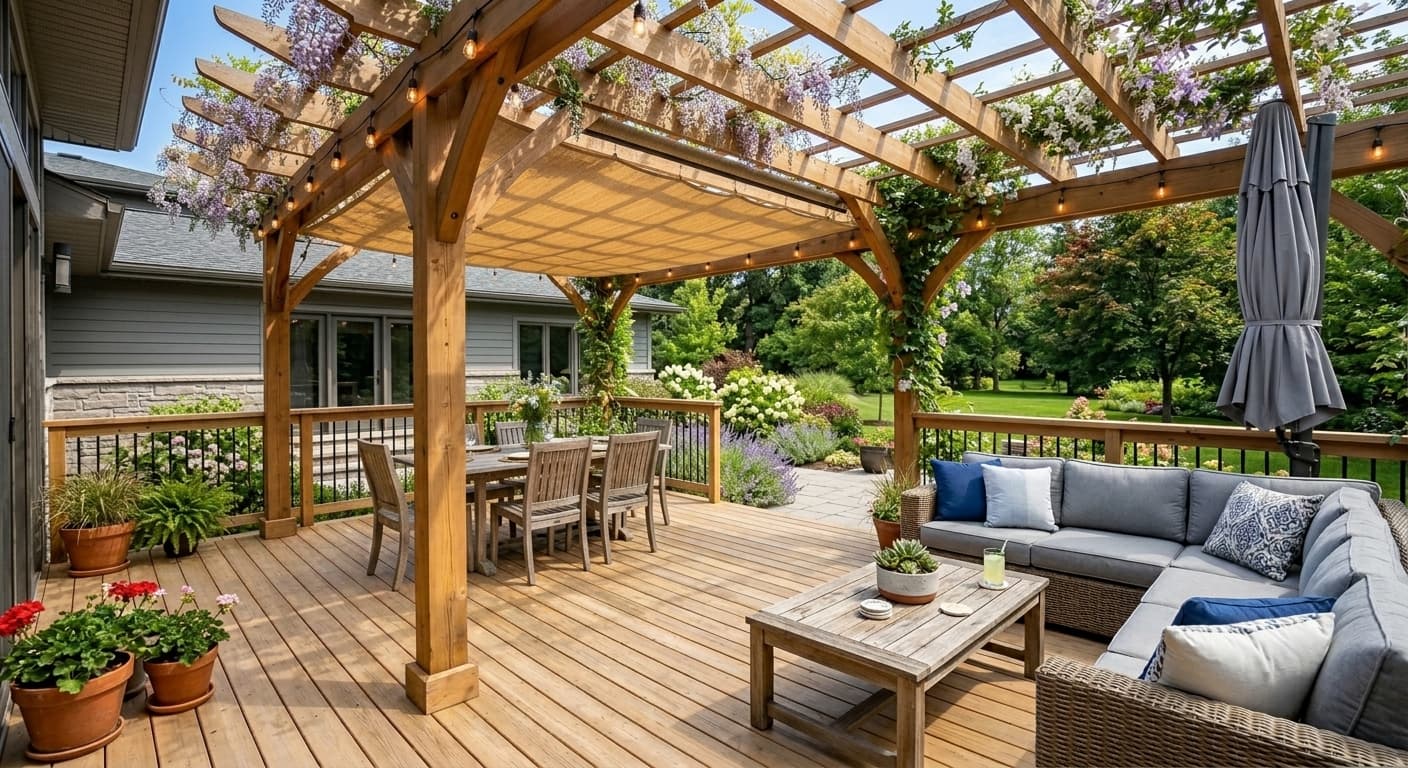
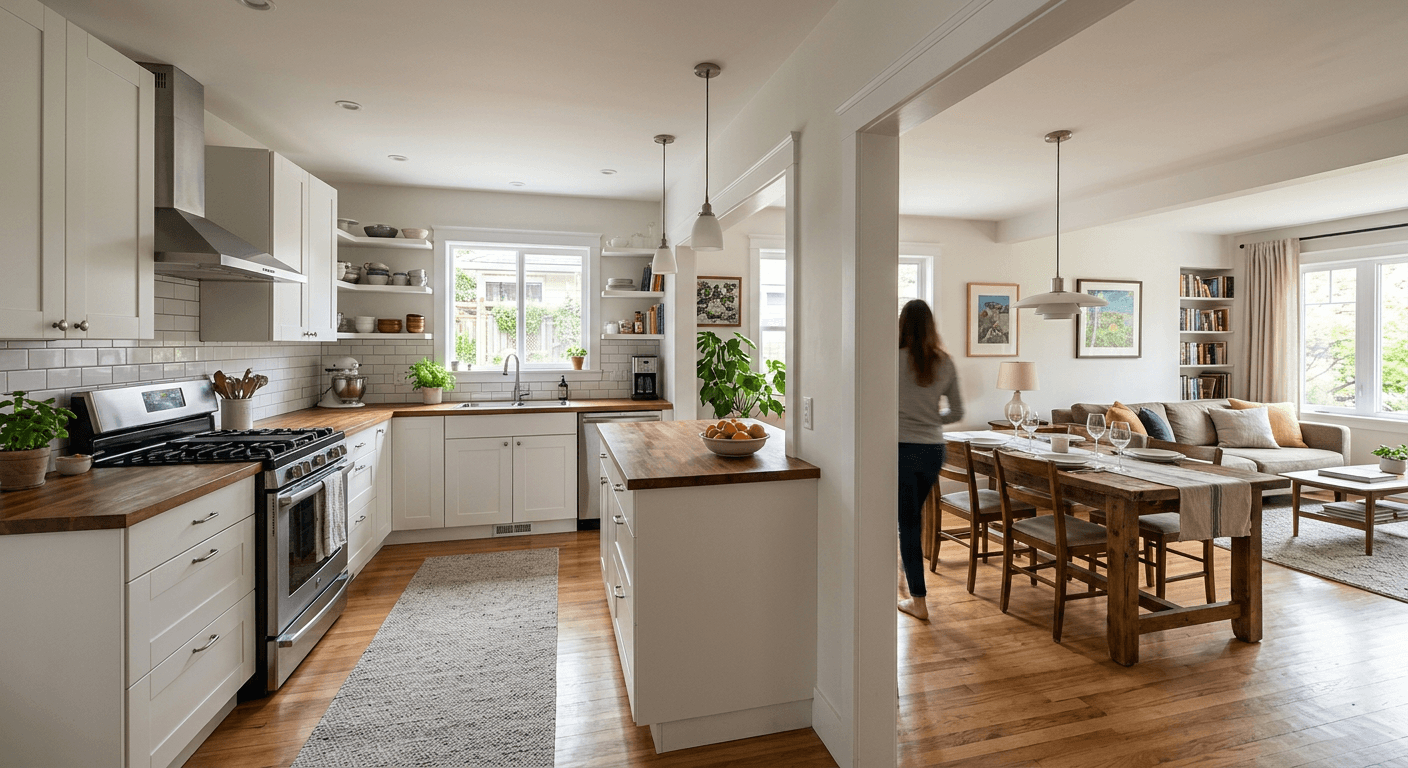
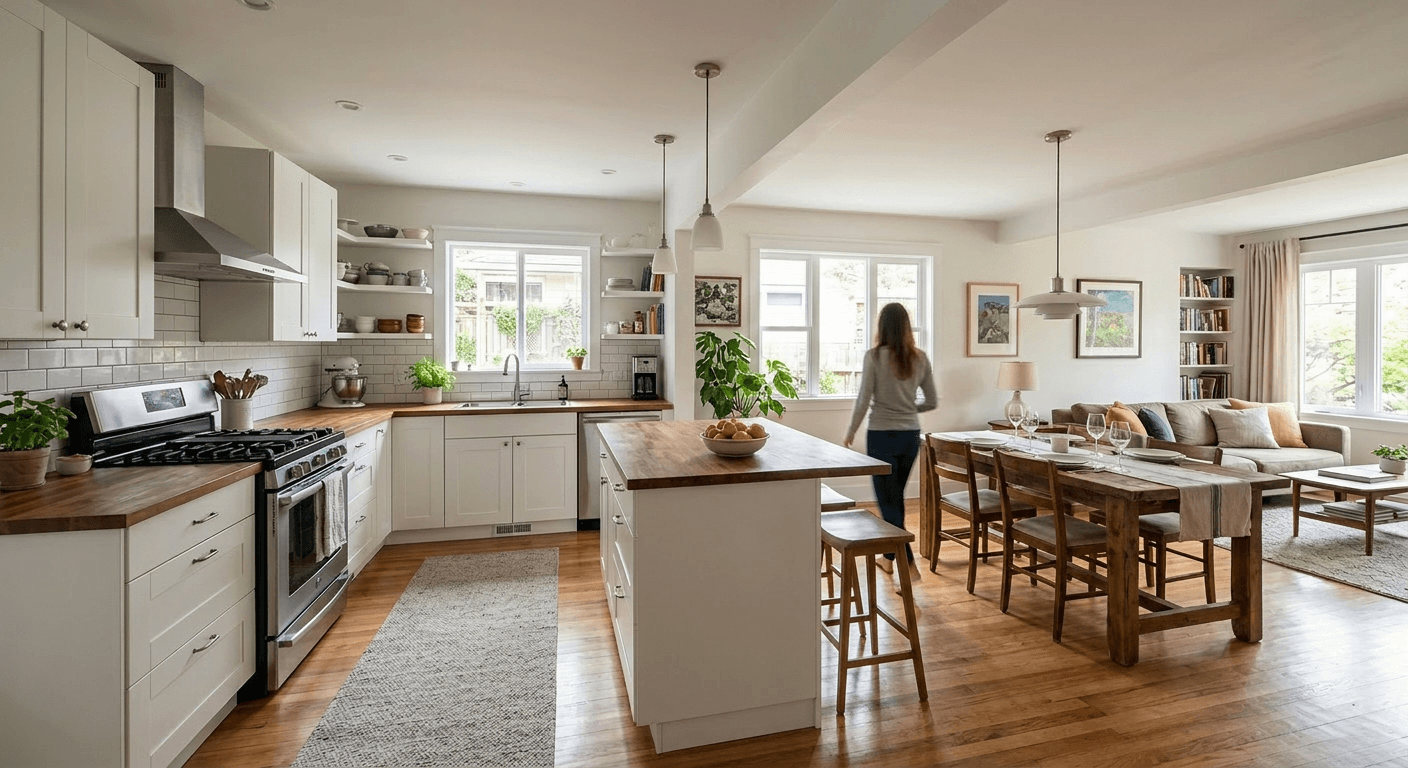
Witness the difference. By intelligently recalculating depth and field-of-view, our AI transforms cramped, claustrophobic snapshots into expansive, breathable listing assets.
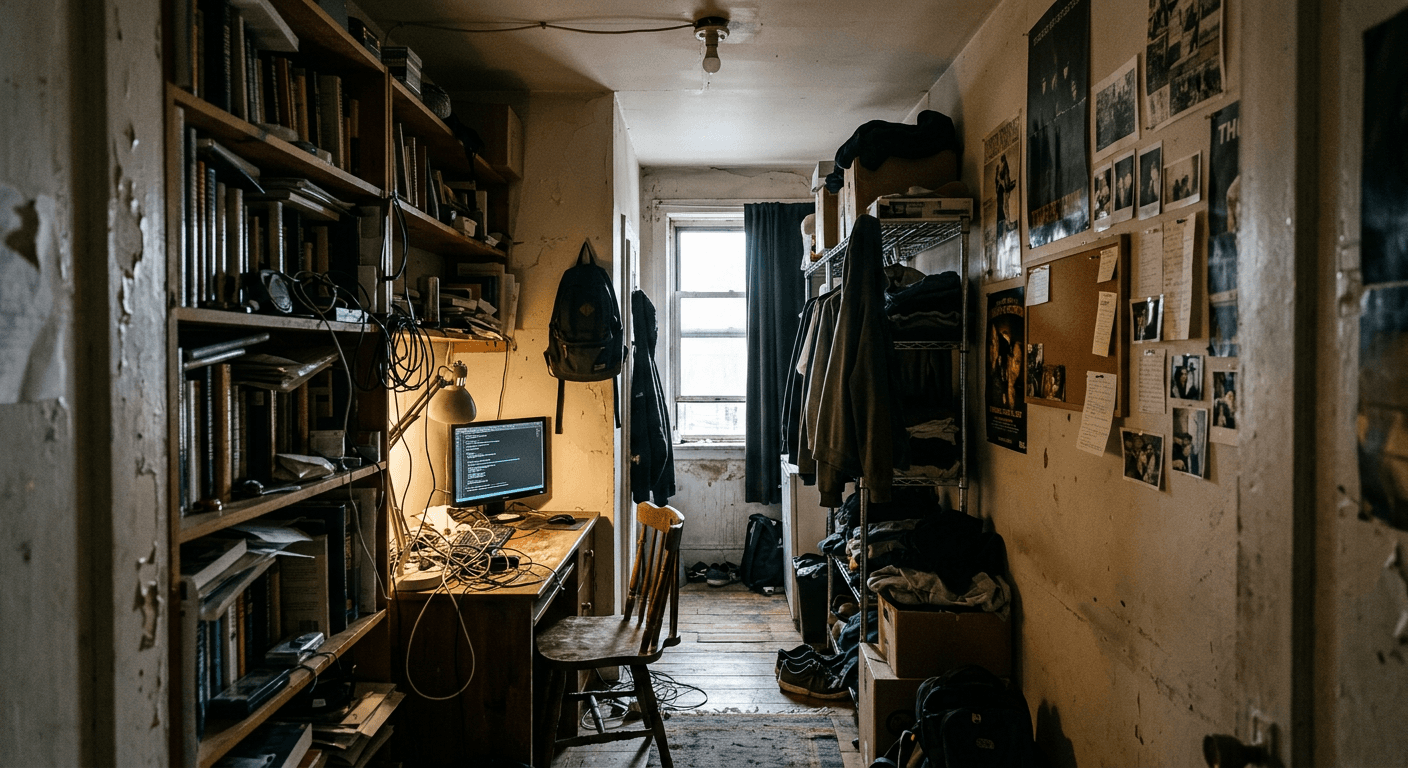
Standard lens capture often compresses the perceived depth, making the space feel tighter than it actually is in person.
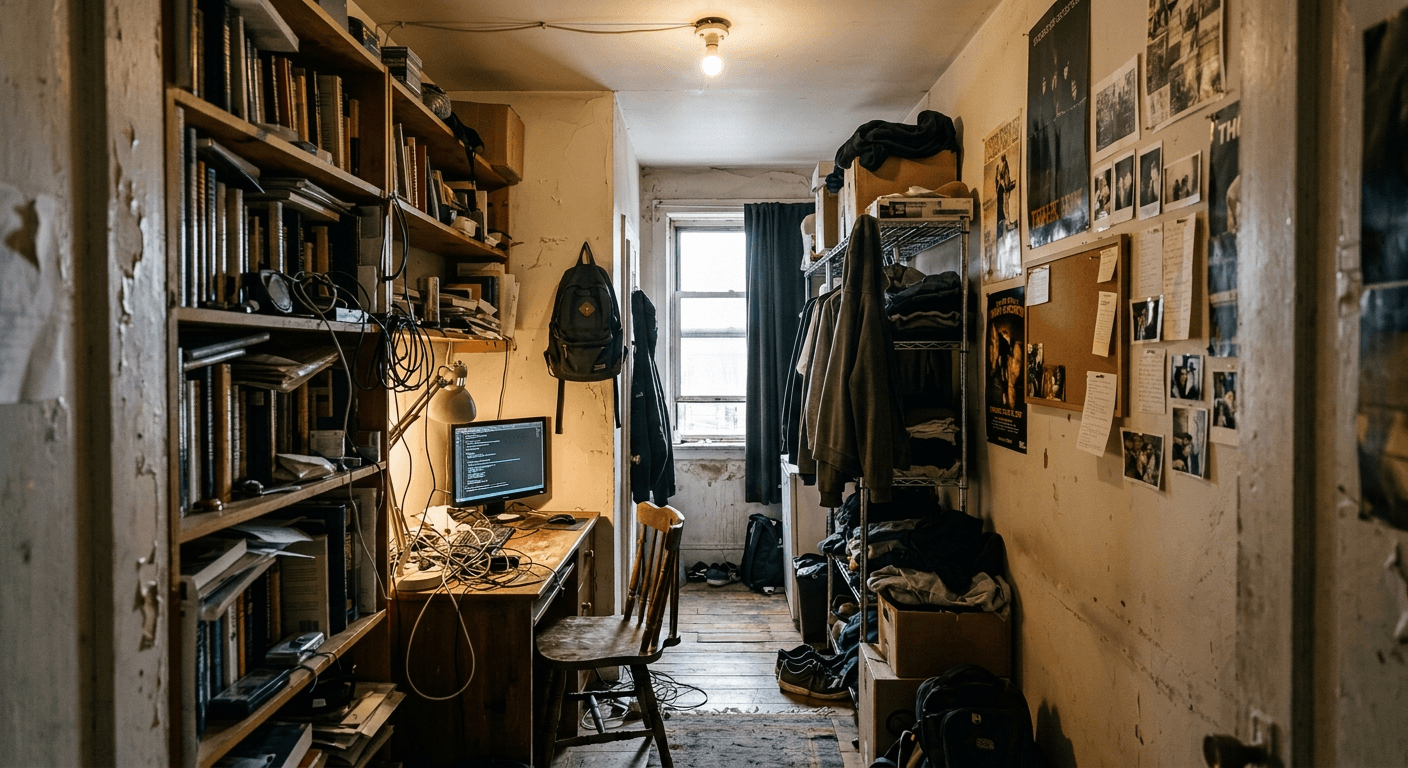
AI perspective correction naturally widens the field of view, maintaining straight verticals and realistic proportions.
Why Standard Wide-Angle Lenses Fail in Tight Spaces
For decades, real estate photographers have relied on ultra-wide-angle lenses (typically 12mm to 16mm) to capture small spaces like half-baths, narrow hallways, or galley kitchens. While these lenses successfully fit more of the room into the frame, they come with a severe caveat: optical distortion.
Ultra-wide lenses stretch the edges of the photograph, causing vertical lines to bow and making furniture in the foreground look abnormally large. This "fish-eye" effect not only degrades the professional quality of a listing but also creates a jarring disconnect for buyers when they visit the property in person. They expect a large room based on the distorted photo, only to feel deceived by the reality.
At ai-architectures.com, we engineered a solution that moves beyond flawed optical glass. By leveraging computational photography and spatial AI, our platform allows you to shoot with a natural focal length (like 24mm or 35mm) to capture true proportions, and then intelligently expands the boundaries of the image.
The Science of AI Perspective Adjustment
How does an AI make a room look bigger without faking the architecture? The secret lies in depth mapping and geometric spatial awareness.
- Depth Estimation: Our neural networks analyze the 2D image and construct a 3D topological map of the room, identifying where the walls, ceiling, floor, and furniture exist in virtual space.
- Geometric Extension: Instead of simply "stretching" the pixels (which causes distortion), the AI extrapolates the existing geometry. It pulls the camera perspective back virtually, generating the peripheral details that the camera lens couldn't capture.
- Lighting and Shadow Preservation: To ensure the image remains photorealistic, ai-architectures.com algorithms calculate the ambient light gradients and cast shadows, extending them seamlessly into the newly generated spatial margins.
The result is a subtle, realistic perspective shift. A tight 8x10 bedroom suddenly breathes. A cramped powder room looks functional and elegant. The space feels larger, yet entirely honest to the property's actual layout.
Ethical Enhancement: Selling the Feeling, Not a Lie
"The goal of real estate AI isn't to deceive the buyer; it is to remove the limitations of the camera so the buyer can feel the true potential of the space."
There is a fine line between optimizing a listing photo and misrepresenting a property. As leaders in AI architecture tools, we prioritize ethical enhancements. Our models are trained specifically on architectural standards to prevent the generation of fake square footage or altering the structural reality of the home.
When a human stands in a small room, their peripheral vision and stereoscopic depth perception make the room feel much larger than a standard photograph suggests. The camera artificially compresses reality. Our AI perspective adjustment simply restores the human experience of the room, ensuring that when potential buyers view the property online, they experience the same sense of space they will feel during an open house.
Maximizing Listing Value for Real Estate Professionals
In digital real estate marketing, you have less than three seconds to capture a scroller's attention. Dark, cramped photos instantly trigger a swipe-past reflex. Bright, spacious, and airy photos generate clicks, saves, and ultimately, higher offers.
By utilizing ai-architectures.com to make tight rooms feel more spacious:
Spacious thumbnail images dramatically increase click-through rates on Zillow, Redfin, and MLS listings.
Homes that appear more spacious consistently appraise higher in the minds of prospective buyers, justifying premium asking prices.
Avoid hiring specialized wide-angle photographers or renting micro-furniture. Use standard shots and let AI do the heavy lifting.
Process entire property batches in minutes rather than spending hours in complex Photoshop perspective-warp sessions.