Fix Perspective Distortion in Real Estate Photos
In the competitive world of architectural photography and property marketing, straight walls and perfect verticals aren't just an aesthetic choice—they are the hallmark of professionalism. Discover how AI-Architectures.com eliminates converging lines and lens distortions to present spaces exactly as the architect intended.
The Transformation: From Distorted to Architecturally Perfect

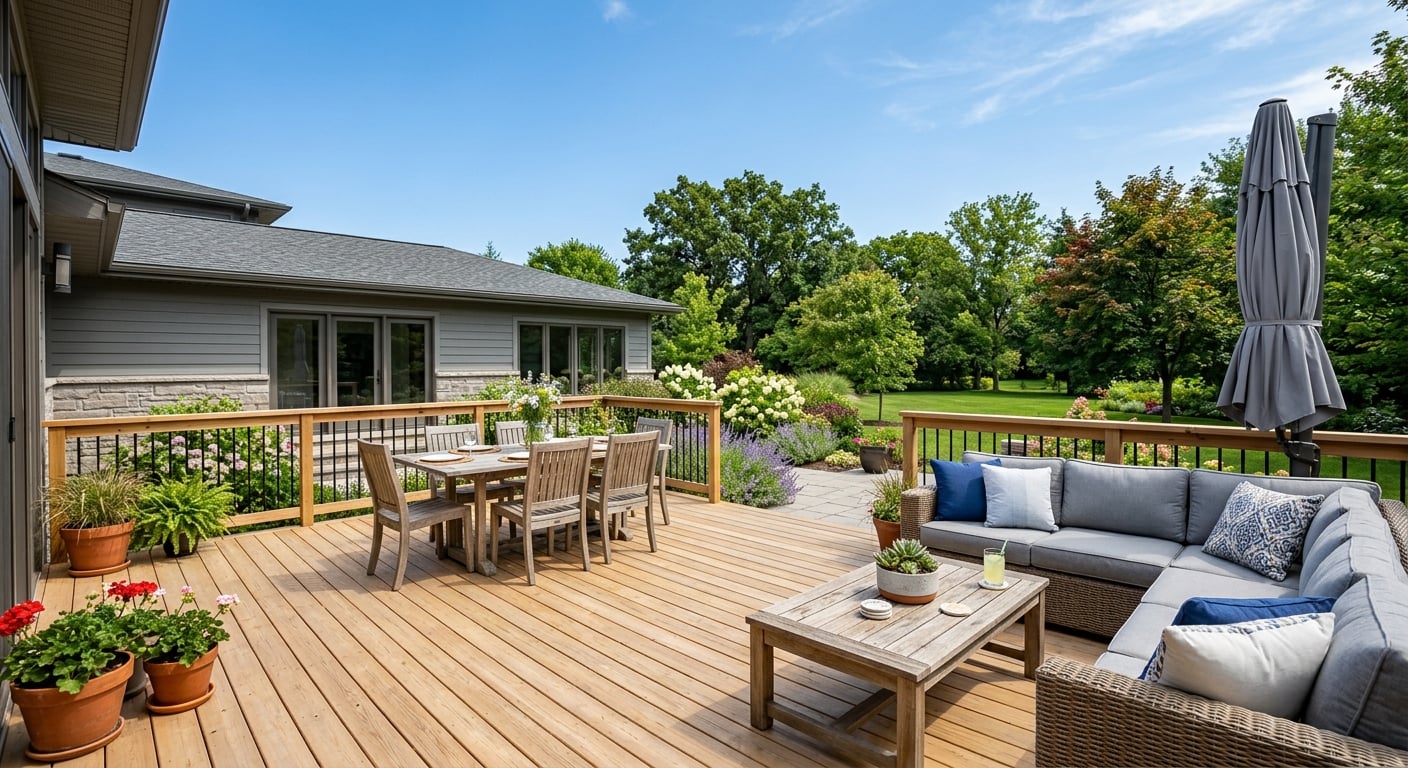
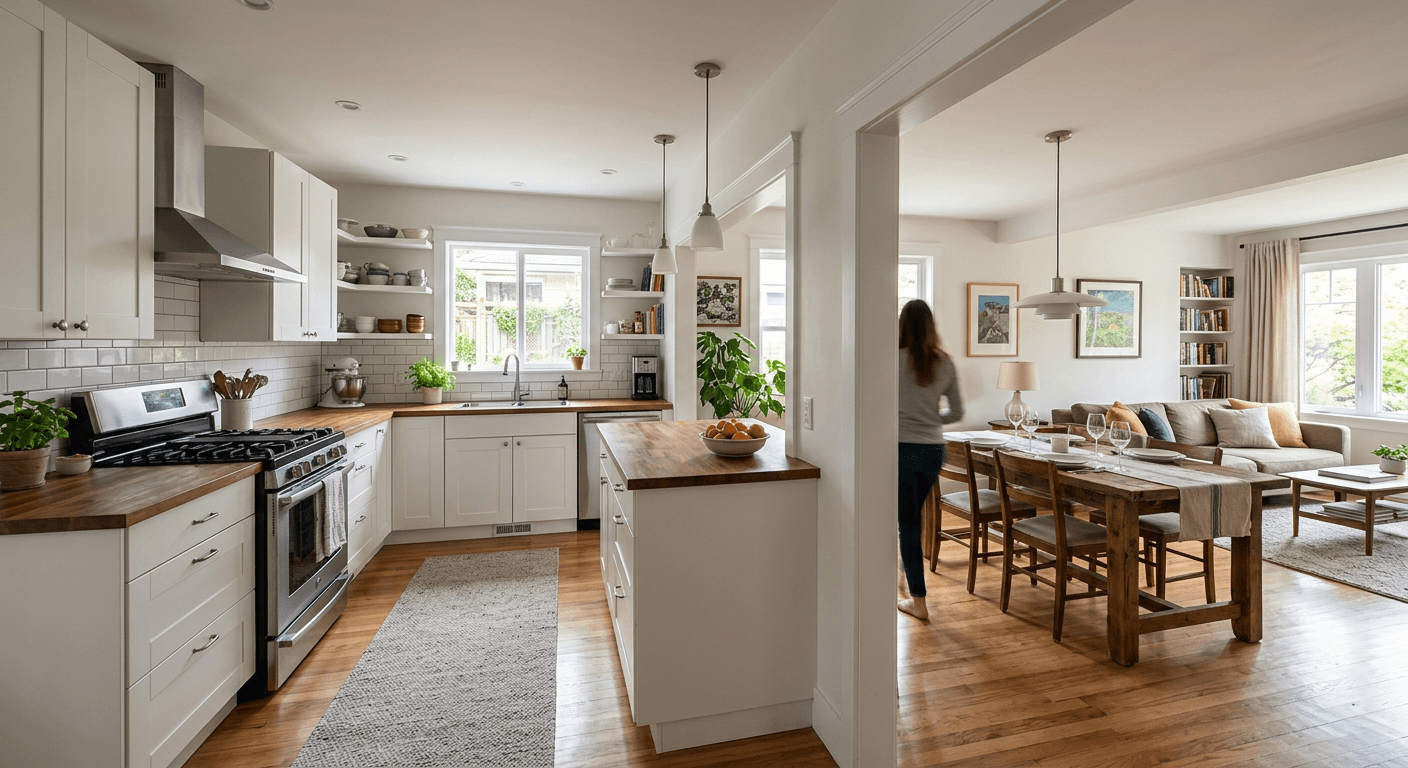
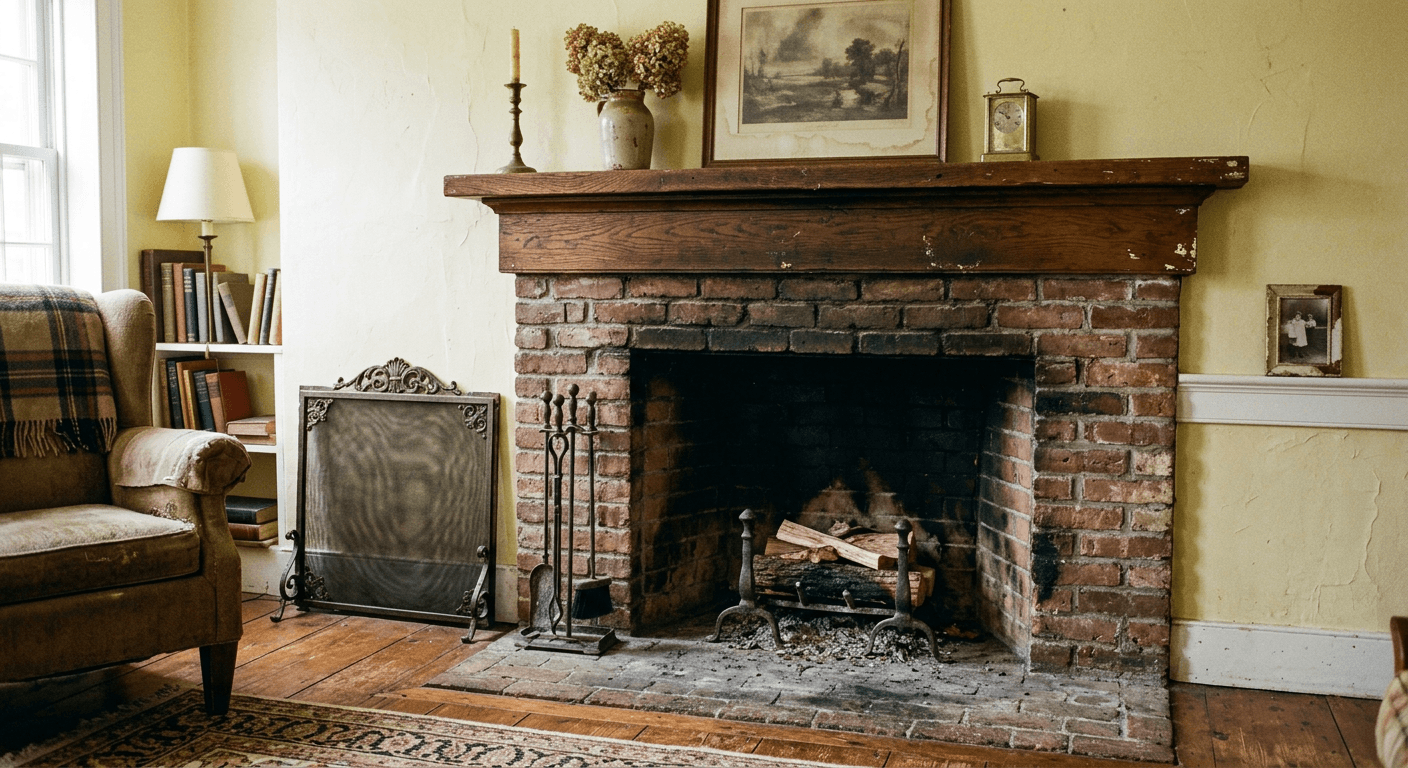
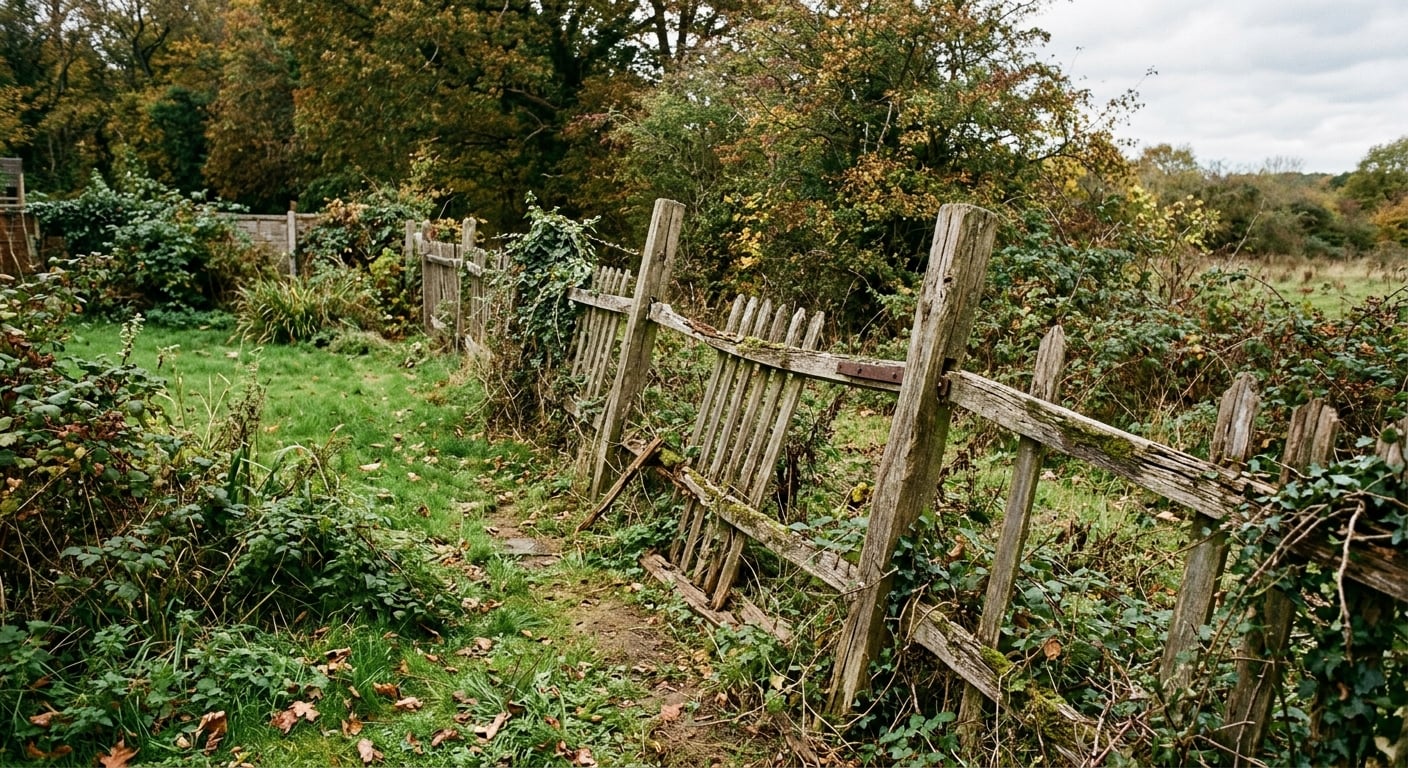
The Problem: Notice the "keystone" effect where the walls appear to lean backward. This occurs when the camera is tilted upward or downward, causing parallel architectural vertical lines to converge toward a vanishing point.

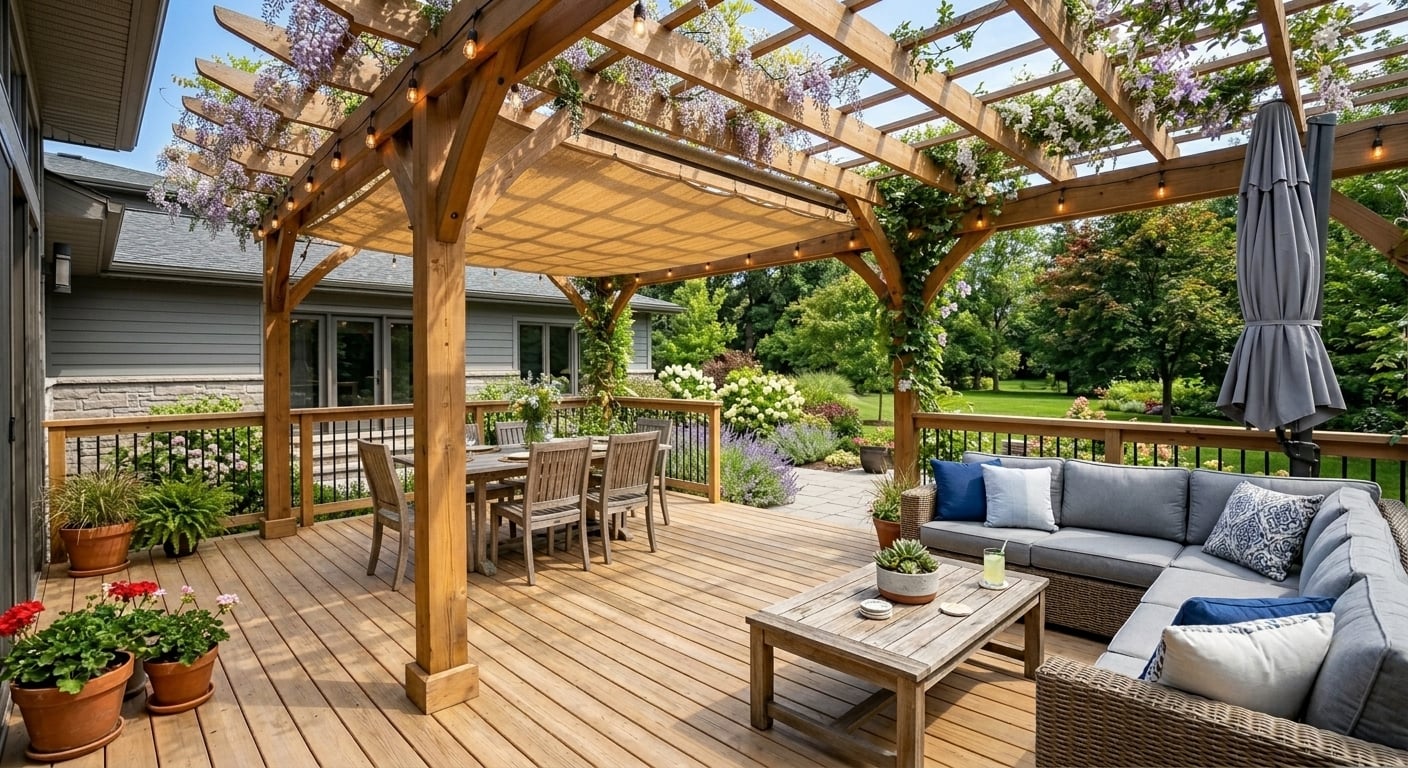
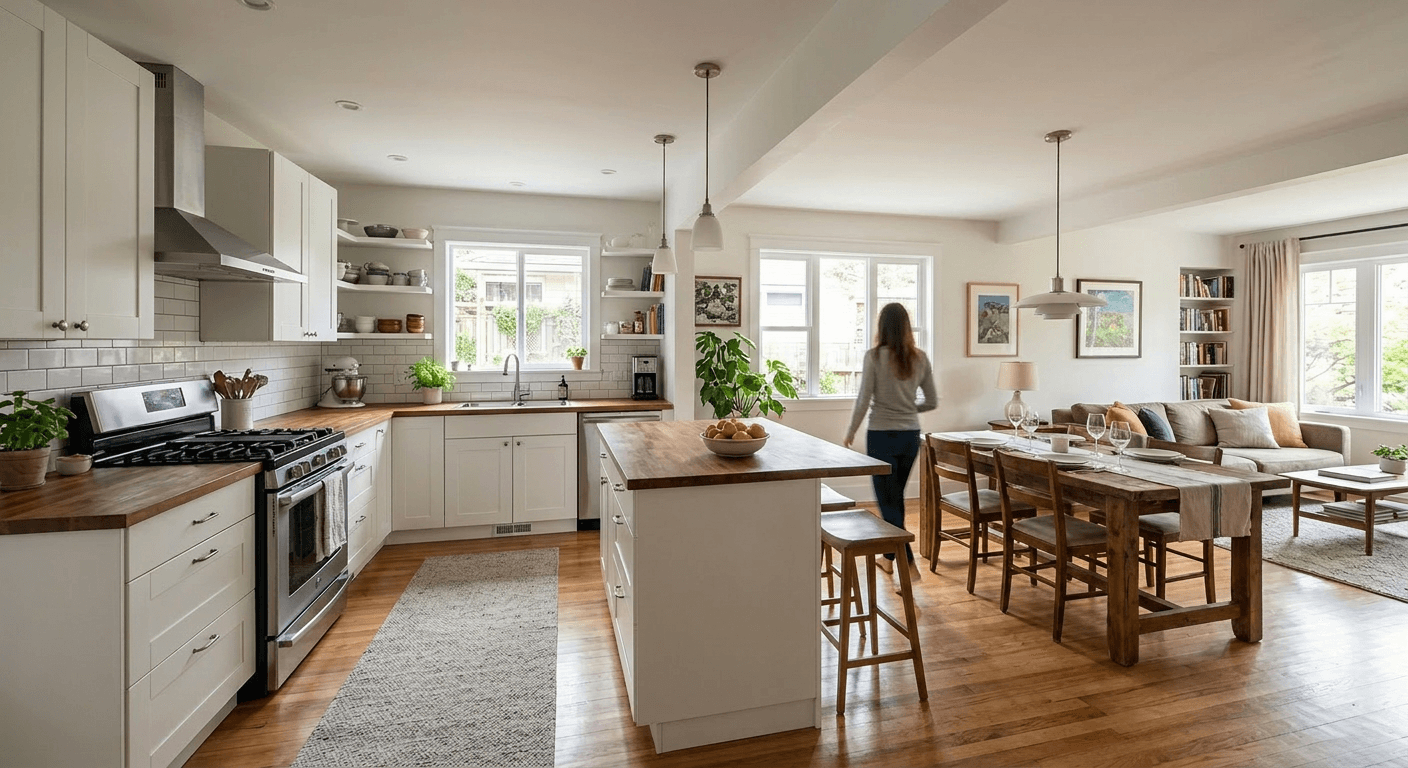
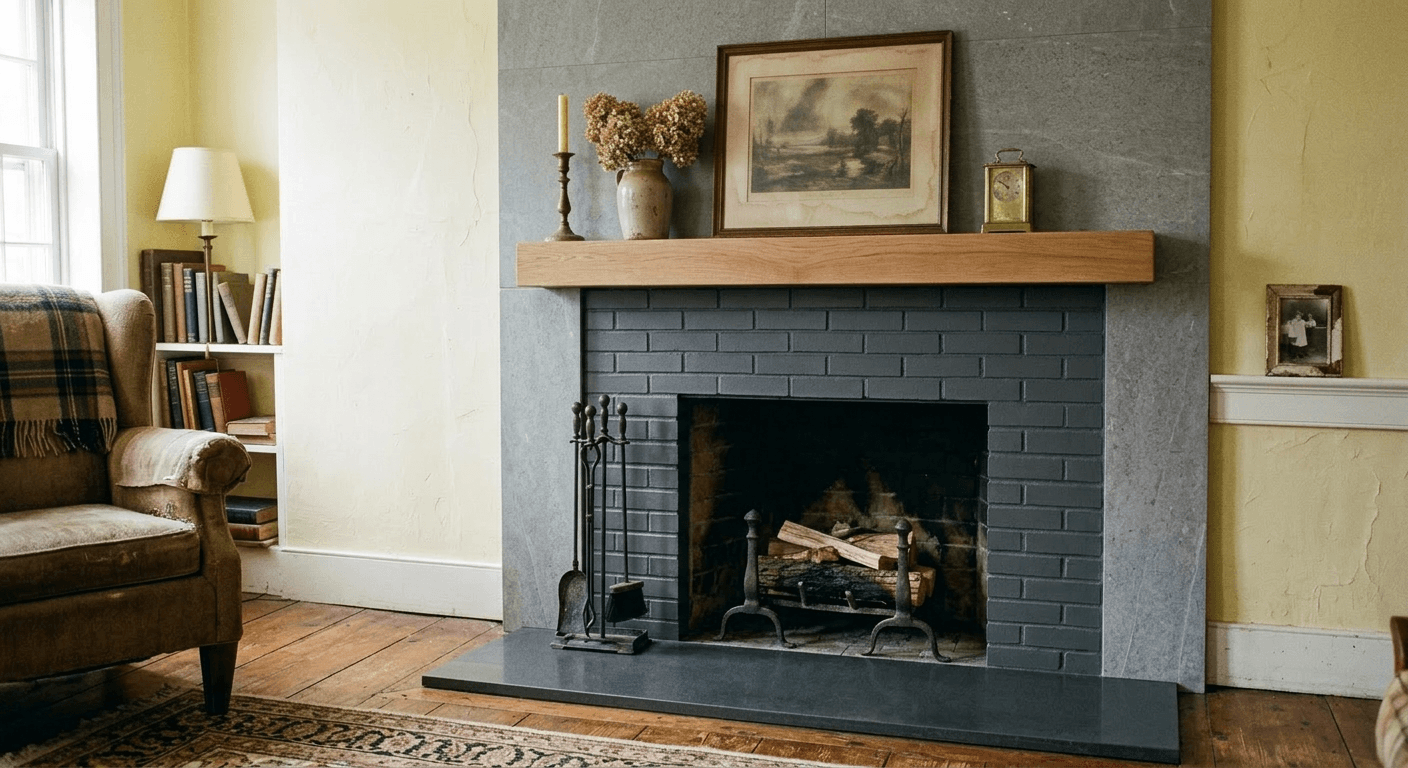
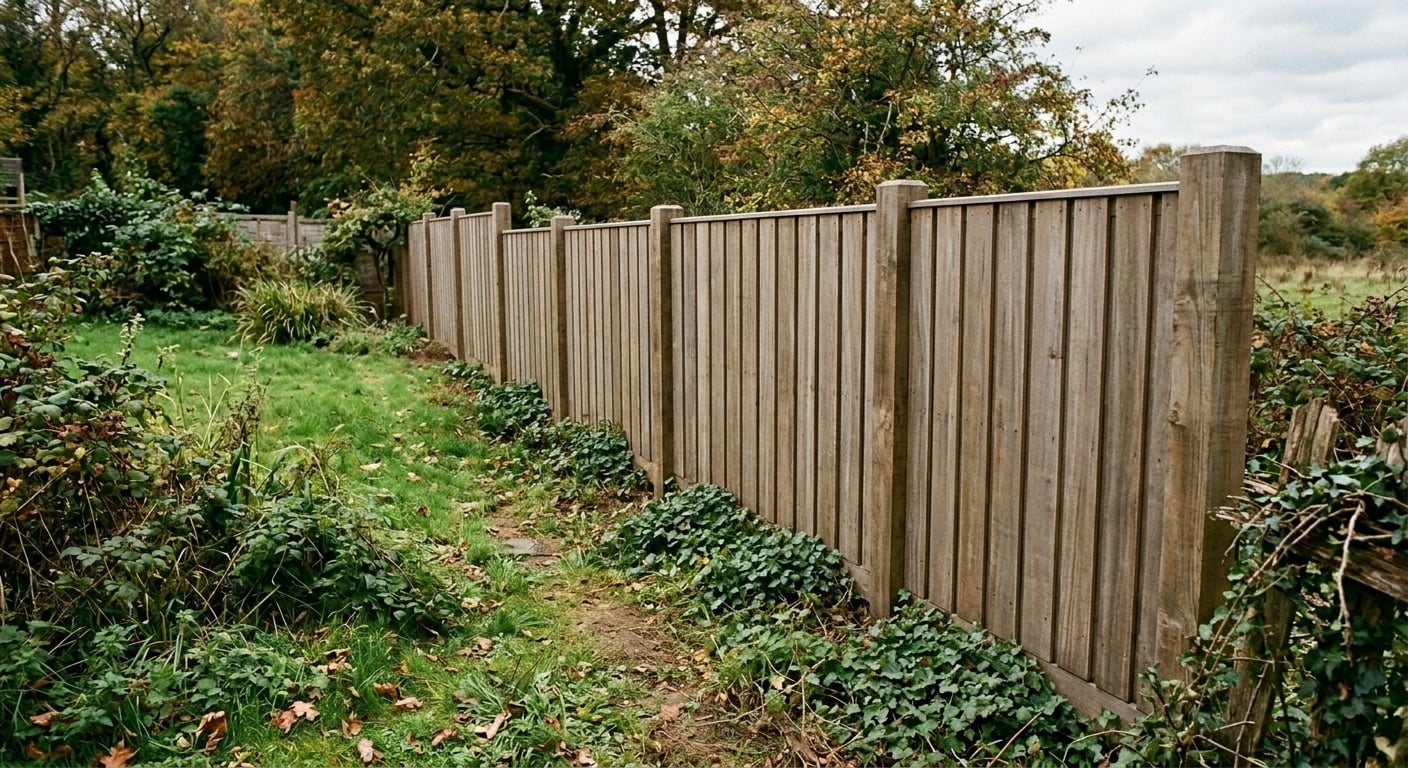
The Solution: The AI has meticulously identified the structural planes and corrected the perspective distortion. The walls, doorways, and cabinetry are perfectly vertical, restoring the true geometry and premium feel of the space.
Why Perspective Distortion Ruins High-End Property Listings
When prospective buyers or investors look at a real estate photograph, they are subconsciously evaluating the structural integrity, size, and quality of the space. Human eyes are incredibly adept at detecting anomalies in geometry. If a photo suffers from perspective distortion—commonly known as the "keystone effect" or "converging verticals"—the psychological impact is immediate and negative. Walls that appear to lean inward create a feeling of claustrophobia and instability, entirely undermining the perceived value of the property.
In architectural photography, capturing a room with a wide-angle lens is often necessary to showcase the entire space. However, unless the camera sensor is perfectly parallel to the walls (which is nearly impossible without highly specialized tilt-shift lenses and tripods), the vertical lines of doors, windows, and corners will converge. At ai-architectures.com, we understand that this common photographic flaw is the single biggest separator between amateur snapshots and multi-million dollar architectural imagery.
The Science Behind Converging Verticals and Lens Barrel Distortion
Perspective distortion is a fundamental rule of optics. When you tilt a camera up to capture a high ceiling or down to include flooring, the focal plane is no longer parallel to the vertical subjects in the room. This causes objects further away from the lens center to appear smaller, making walls look as though they are falling backward. Coupled with barrel distortion (where straight lines curve outward near the edges of the frame due to wide-angle glass), a beautiful, square room can suddenly look like the inside of a funhouse.
Historically, correcting this required expensive tilt-shift lenses costing thousands of dollars, or hours of painstaking manual manipulation in traditional photo editing software. Manual correction often results in severe cropping, losing up to 30% of the image frame, and inadvertently stretching horizontal proportions, making rooms look unnaturally wide and flat.
How AI Reconstructs Spatial Integrity
The technology powering ai-architectures.com represents a paradigm shift in how we handle real estate media. Unlike legacy software that relies on 2D pixel-stretching algorithms, our AI employs advanced computer vision and semantic depth mapping to understand the three-dimensional geometry of the room.
1. Semantic Plane Detection
The AI scans the image to identify architectural elements: load-bearing walls, window frames, door jambs, and cabinetry. It differentiates between lines that should be perfectly vertical and lines that represent natural diagonal architectural features (like vaulted ceilings or staircases).
2. Generative Edge Restoration
When an image is "straightened" manually, the edges pull inward, requiring massive cropping. Our AI utilizes generative context-aware fill to intelligently recreate the missing corners of the room, preserving your original wide-angle field of view while fixing the perspective.
3. Proportional Geometry Preservation
Fixing vertical lines often causes objects in the center of the room (like kitchen islands or beds) to become stretched and distorted. AI-Architectures maps the depth field to ensure furniture retains its true volumetric proportions during the perspective shift.
4. Lighting and Texture Integrity
Warping an image traditionally destroys pixel sharpness and manipulates shadow gradients. By utilizing an AI neural network trained specifically on architectural photography, ambient lighting, sharp textures, and material realism are strictly preserved.
The ROI of Straight Walls in Real Estate Marketing
Professionalism in property marketing translates directly into buyer trust. Listings featuring architecturally corrected photos experience higher click-through rates on MLS directories and generate stronger emotional connections. Straight walls imply order, cleanliness, and structural soundness. When vertical lines are perfectly parallel to the edges of the frame, the viewer's eye is allowed to rest and explore the space naturally, rather than feeling a subconscious tension caused by optical distortion.
Elevate Your Portfolio with AI-Architectures.com
Whether you are a real estate agent, an architectural photographer, or an interior designer, the visual representation of your work is your ultimate calling card. Fixing perspective distortion is no longer a tedious, hour-long process in complex desktop software. It is an instant, intelligent, and mathematically flawless operation.
Stop settling for photos where buildings look like they are falling over backward. Stop publishing interior shots that make spacious luxury homes look like funhouse mirrors. By leveraging the advanced vertical line straightening and lens correction capabilities of AI, you guarantee that every wall, every pillar, and every doorway stands tall, straight, and professional.
"In architecture, precision is paramount. Your photography should reflect the same flawless geometry as the blueprint itself."
Real estate photo tools
Everything an agent needs for one listing, on one account. See all of them on the real estate photo tools page or read how agents use AI Architectures.
Land, lots & drone photos
- Lot lines on drone photosDraw the property boundary on an aerial listing photo.
- House on vacant landShow buyers a home built on an empty lot.
Listing photo fixes
- Remove window glareClear glare, flash hot spots and blown-out windows.
- Day to twilightTurn a daytime exterior into a dusk shot with lit windows.
- Blue sky replacementSwap a gray sky for a clear one.
- Declutter photosRemove personal items and clutter.
- Remove cars from the drivewayClean up the front of the house.
- Remove snowShow the property in a green season.
Virtual staging
- Virtual staging (AI, whole listing)Stage every empty room of a listing in one style, about $0.58 a photo.
- Virtual staging for realtors (AB 723-ready)Stage the whole listing in one style, with labels, originals and disclosure.
- Listing Kit (batch staging + MLS labels)Stage and fix a whole listing, download with AI disclosure.
- Remove furnitureEmpty a furnished room before restaging.
- Scandinavian stagingLight, minimal staging for empty rooms.
- Coastal stagingRelaxed coastal furniture and decor.
- Screened porch stagingFurnish porches and outdoor rooms.
- Best virtual staging software (2026)Six tools ranked for whole listings: cost, one style, AB 723 labels.
- Virtual staging tools comparedVirtual Staging AI, BoxBrownie, Collov, REimagineHome, Apply Design: one listing priced on each.
- Virtual staging cost vs home stagingSourced 2026 prices and what the evidence says about results.
Floor plans for listings
- Listing floor plan from a sketch or old planClean, labeled 2D floor plan drawing.