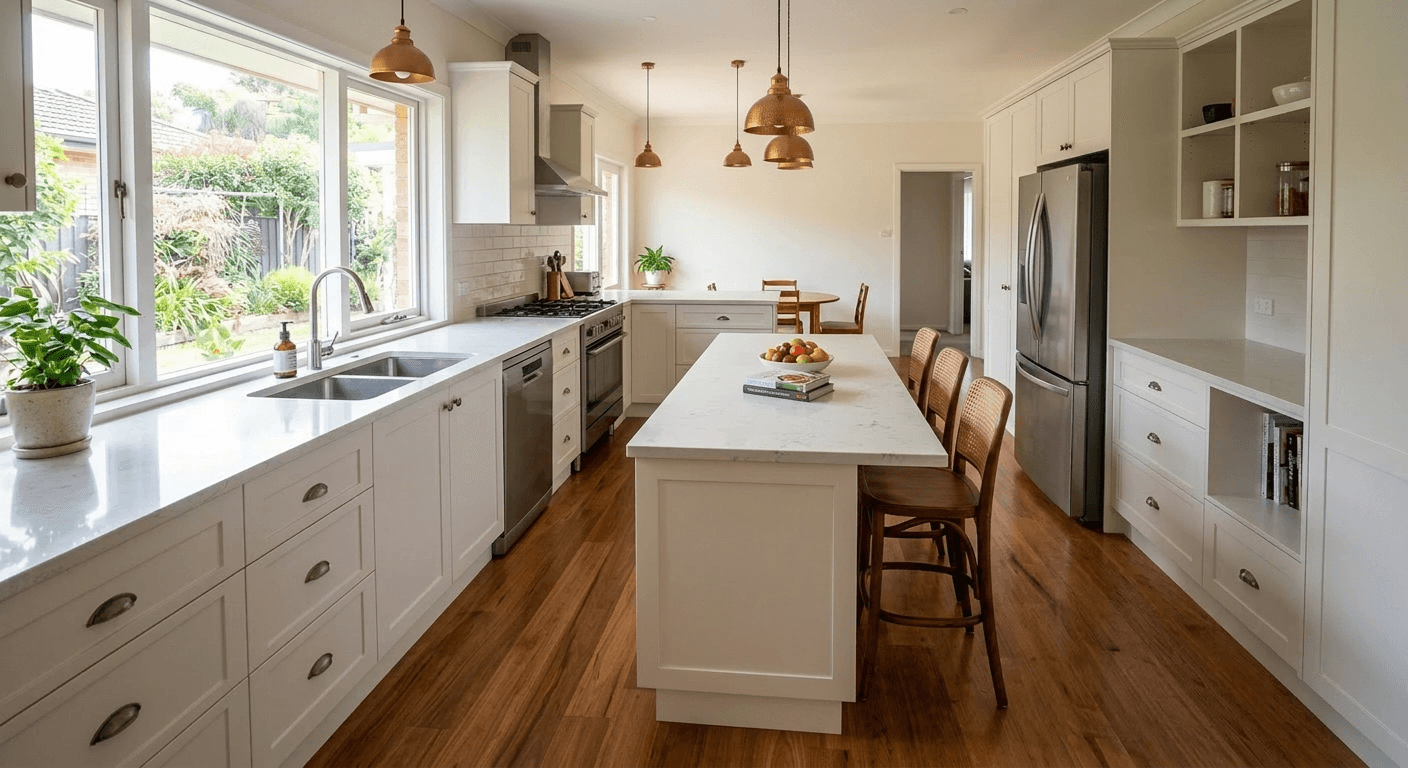
The Anchor of Modern Interior Architecture: Why the Kitchen Island Matters
In contemporary residential design, the kitchen island is much more than a supplementary countertop. It is the definitive architectural anchor of the home. However, determining the precise size, aesthetic style, and exact spatial placement of an island introduces significant complexity into any renovation project.
Overcoming the Spatial Planning Dilemma
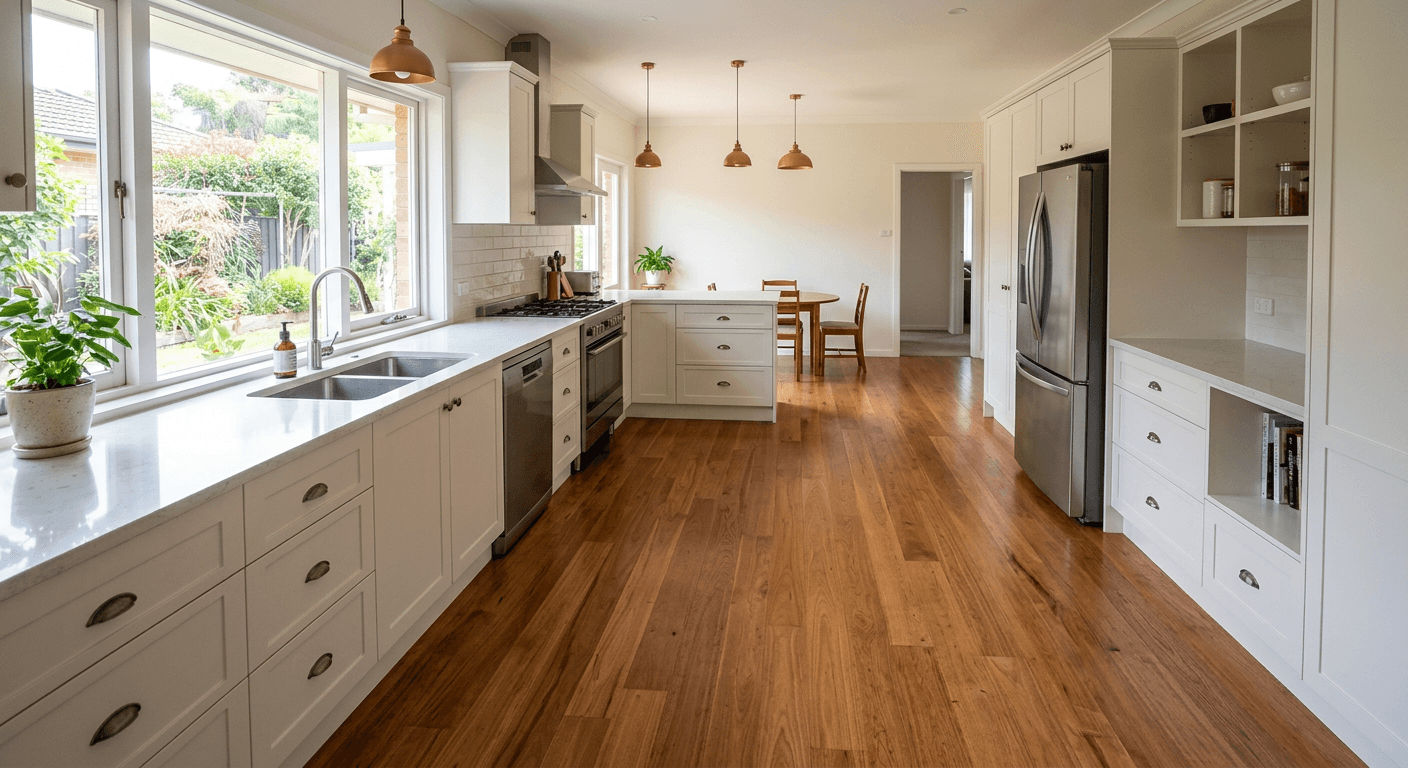
One of the most common pitfalls in interior architecture is poor spatial planning, particularly regarding kitchen islands. A poorly scaled island can disrupt the essential "work triangle" (the path between the sink, stove, and refrigerator), creating cramped walkways and frustrating bottlenecks. Conversely, an island that is too small for a vast open-concept room will look diminished and fail to anchor the space.
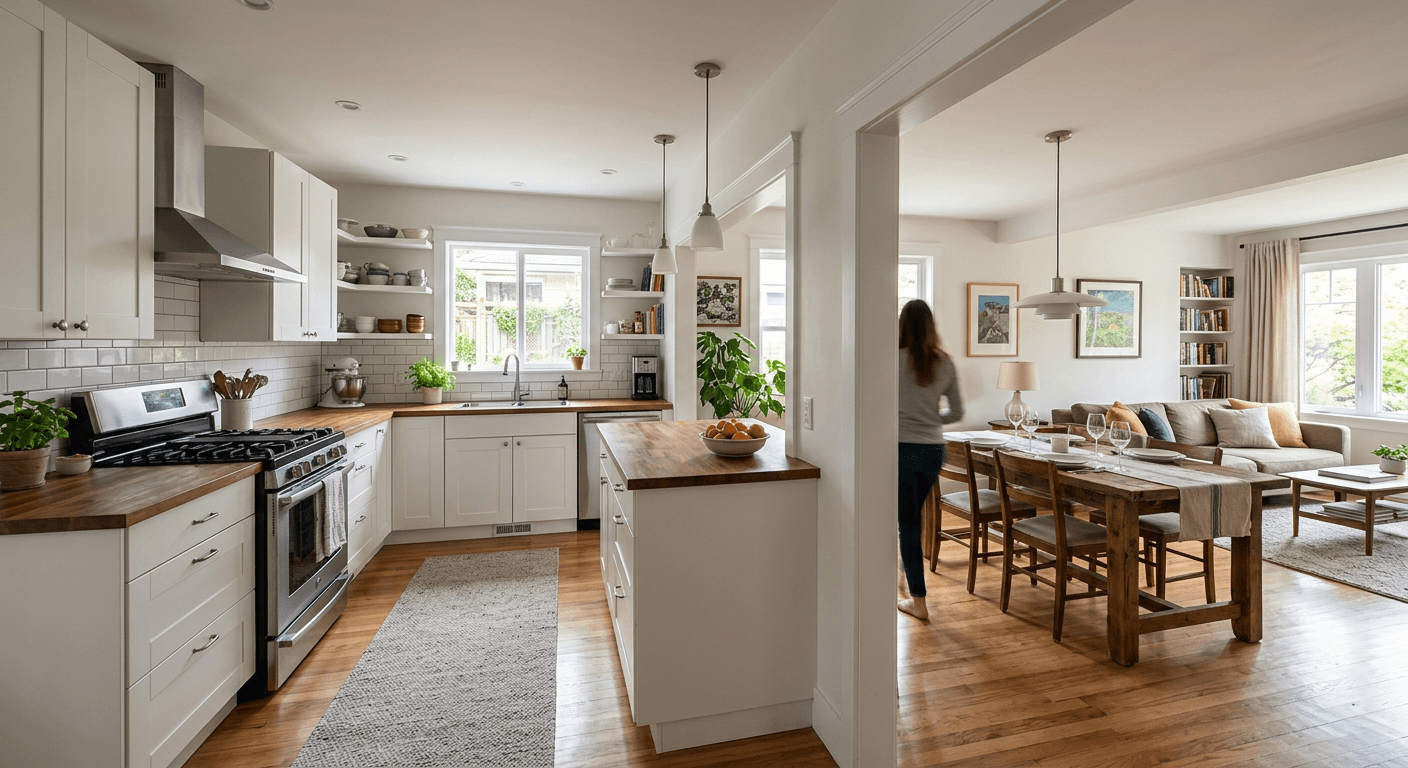
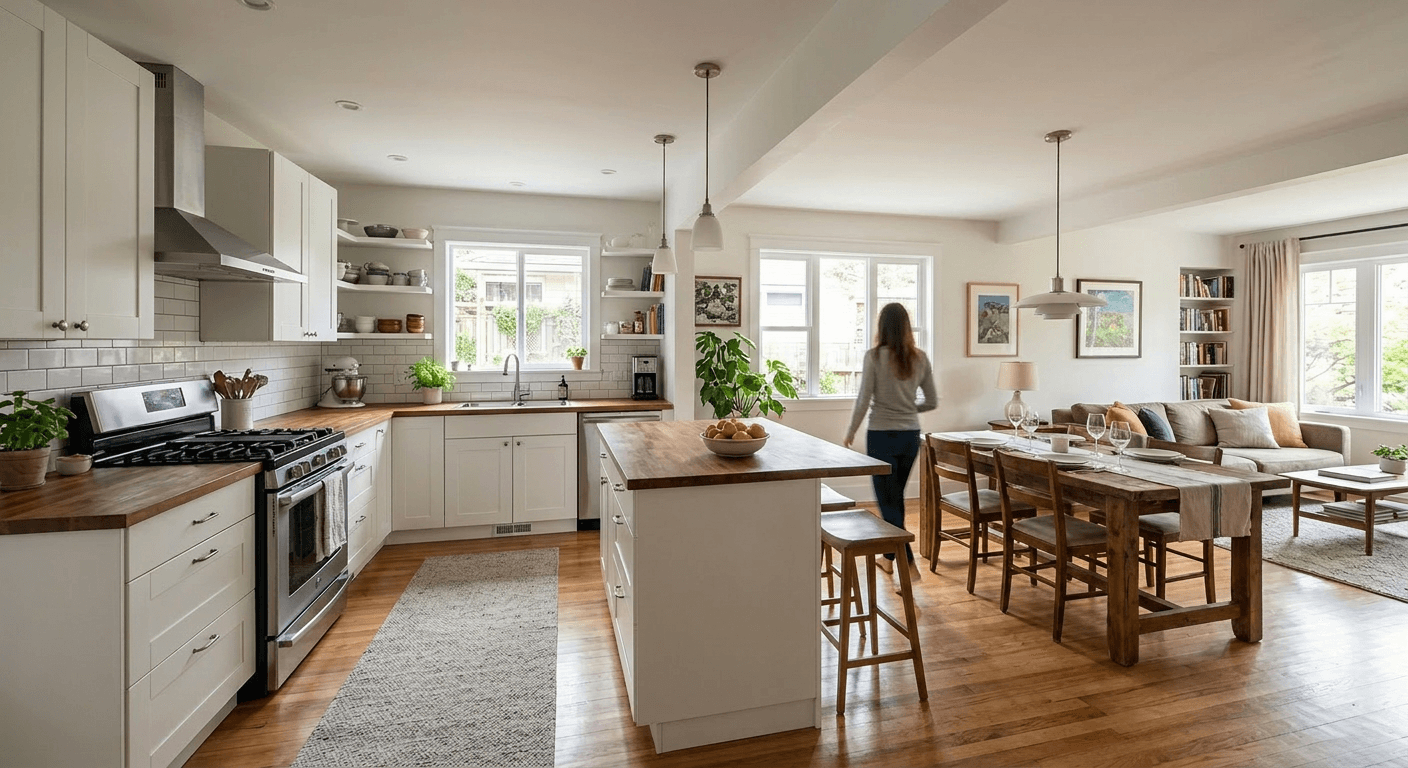
Traditional blueprints and 2D floor plans often fail to convey the volumetric impact of a solid fixture in the middle of a room. By utilizing the ai-architectures.com virtual visualizer, homeowners, interior designers, and architects can instantly render photorealistic models of various island layouts. You can test clearances—verifying that the industry standard 42 to 48 inches of walkway space is not just mathematically correct, but visually comfortable.
Key Elements Our AI Considers During Generation:
- Scale and Proportion: Automatically adjusting the mass of the island to harmonize with the ceiling height and overall square footage.
- Ergonomic Clearances: Ensuring appliance doors (like dishwashers and ovens) have adequate swing room without hitting the island structure.
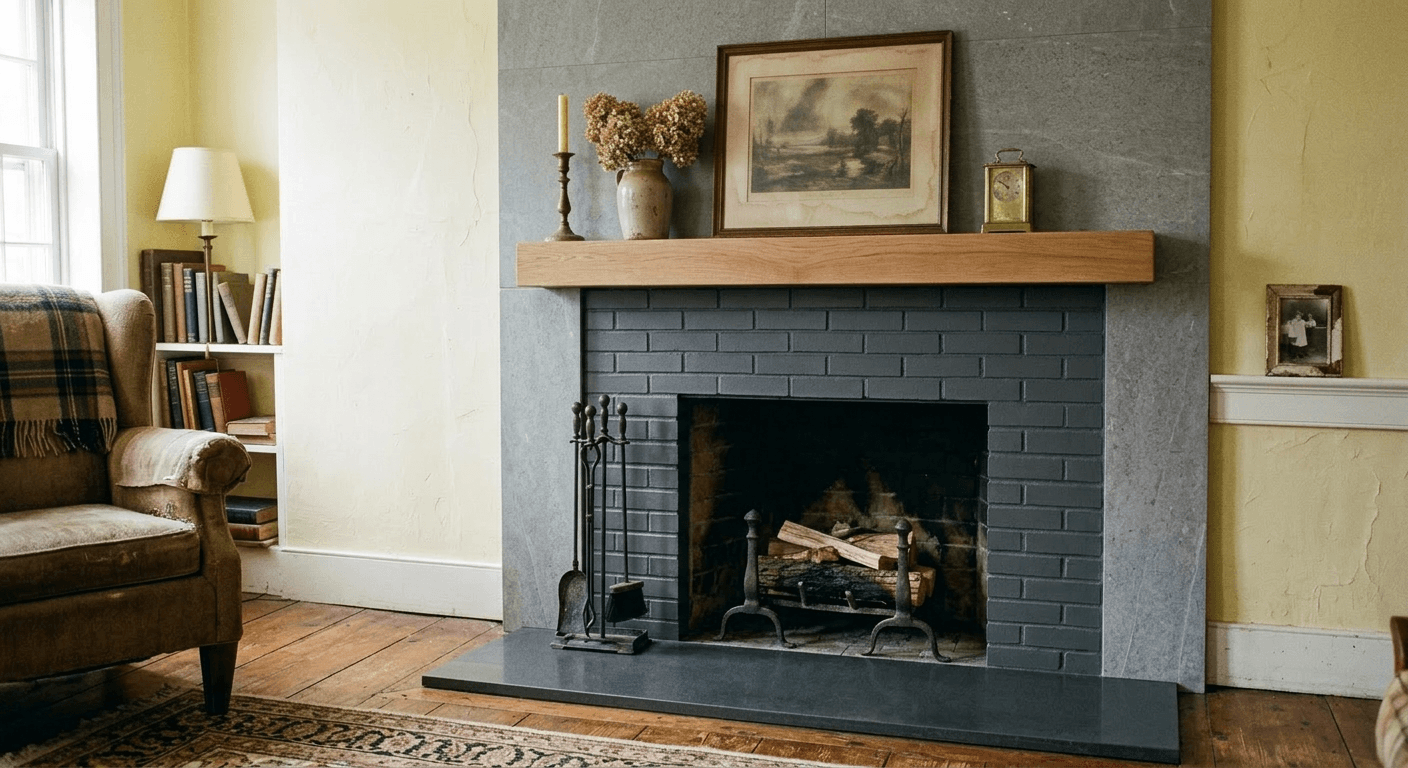
- Material Continuity: Analyzing existing textures in your uploaded photo to suggest matching or complementary materials like quartz, soapstone, or butcher block.
Test Infinite Styles and Materials Instantly
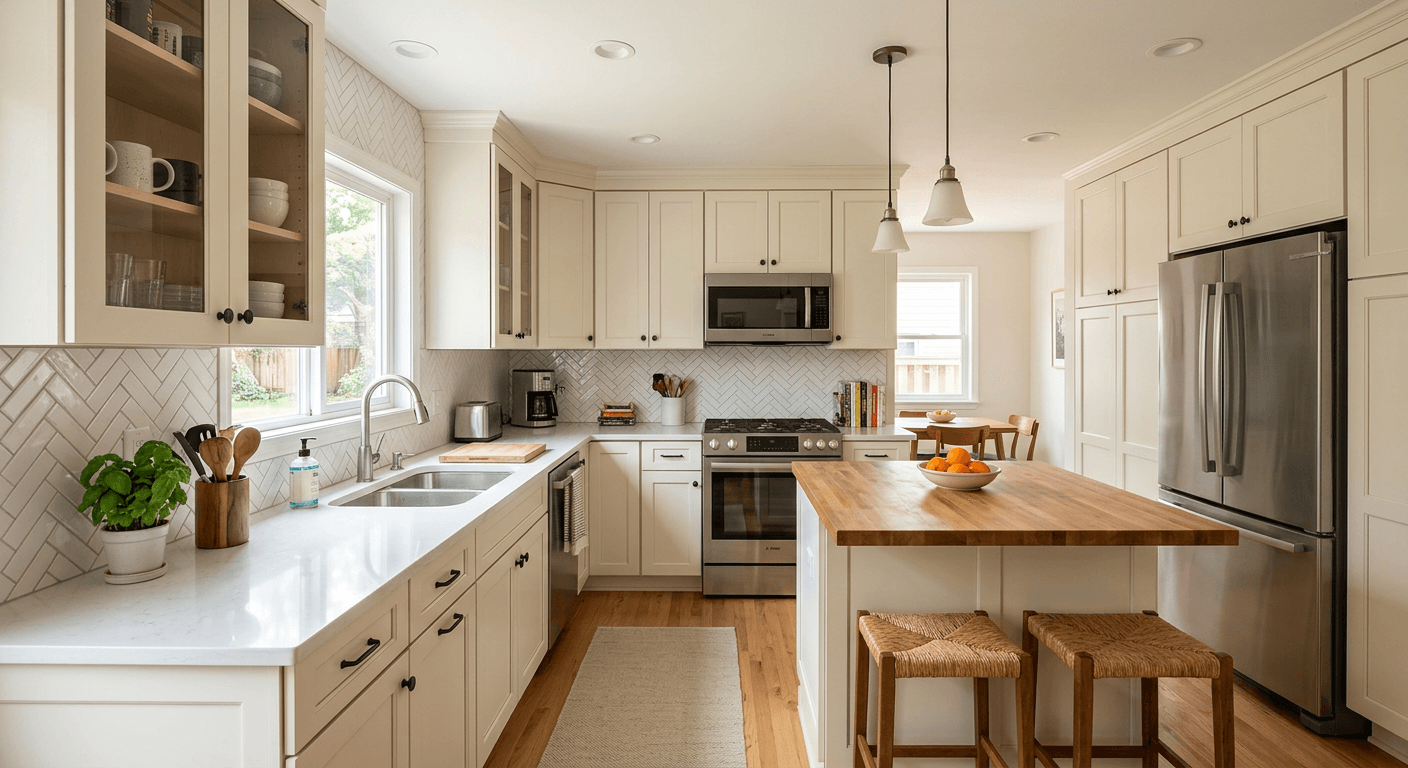
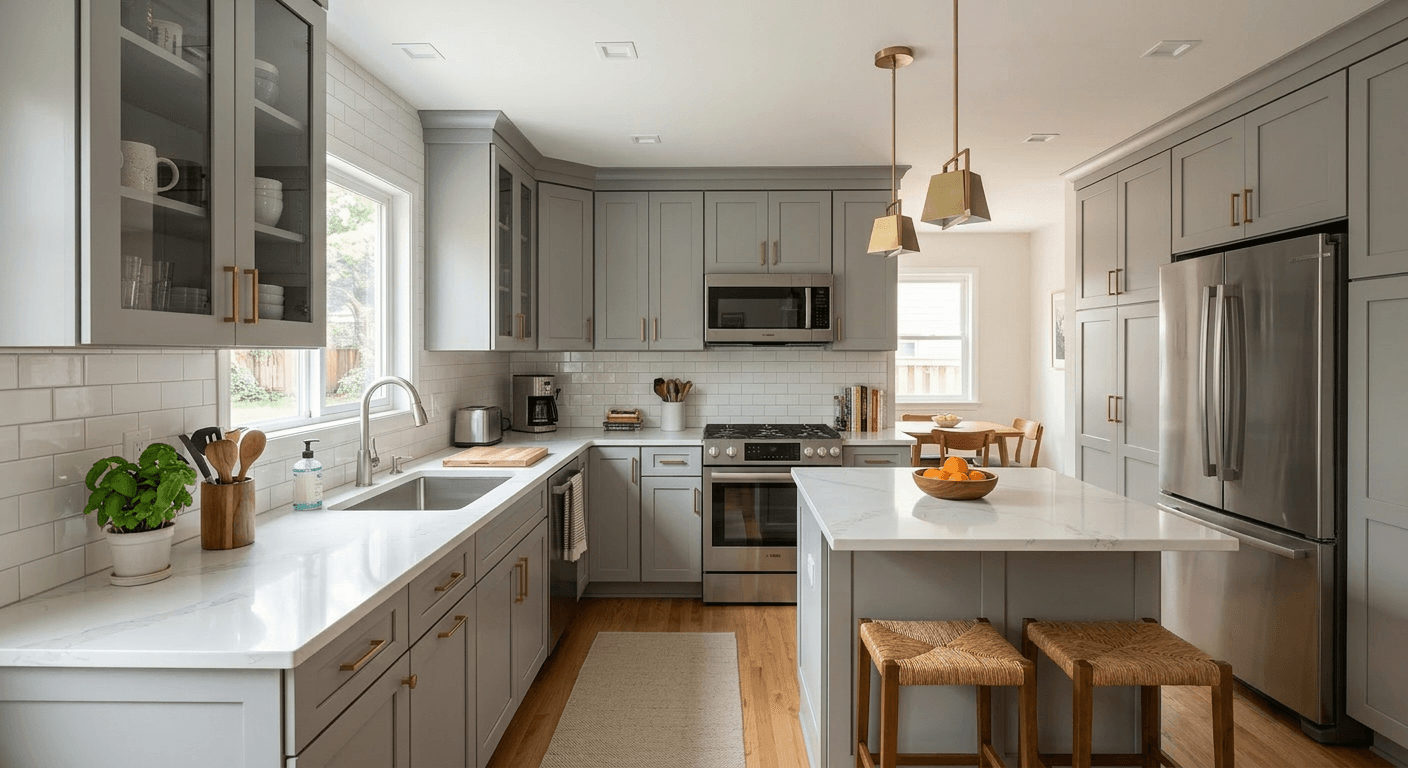
Should you opt for a sleek, modern aesthetic with a striking marble waterfall edge, or a rustic farmhouse look featuring distressed wood and deep overhangs for barstools? Procuring physical samples only provides a fraction of the story. Our AI visualizer allows you to iterate through dozens of architectural styles in minutes.
Test different base cabinet colors against your existing flooring. Visualize the impact of contrasting countertops versus matching ones. See how brass fixtures and pendant lighting suspended above the new island will interact with the natural light pouring through your windows. This level of hyper-personalized, rapid prototyping was previously only available through weeks of expensive manual 3D rendering.
Strategic Placement: Beyond the Center of the Room
While centering an island is visually appealing, functional architecture demands more nuance. The AI helps visualize alternative placements:
- Peninsula Alternatives: Discovering if your space is actually better suited for a peninsula attached to a wall.
- Double Islands: For expansive luxury kitchens, rendering two parallel islands to separate prep zones from entertaining zones.
- Asymmetrical Placement: Aligning the island with specific architectural features like a large picture window, a vaulted ceiling beam, or a prominent range hood.
The AI Architectures Advantage
At AI Architectures, our proprietary models are trained on thousands of award-winning interior design projects. When you upload a photo of your current kitchen, the engine doesn't just overlay a generic graphic. It performs complex spatial geometry calculations, identifies your light sources to render accurate shadows, and applies perspective-correct scaling.
This ensures that the kitchen island you visualize is one that can actually be built. By bridging the gap between imagination and physical construction, we empower homeowners to make confident purchasing decisions and provide contractors with crystal-clear visual blueprints of the desired end goal.