See a Larger Patio in Your Backyard with Precision AI Rendering
At AI-Architectures.com, we bridge the gap between imagination and structural reality. Extending your outdoor living space is no longer a guessing game. Harness the power of spatial AI to visualize a sweeping, expansive patio seamlessly integrated with your existing landscape using premium pavers, poured concrete, or timeless natural stone.
The Architectural Transformation
Witness the power of intelligent landscape extension. Move the slider of your imagination from a constrained builder-grade slab to a sprawling outdoor sanctuary engineered for living, dining, and entertaining.
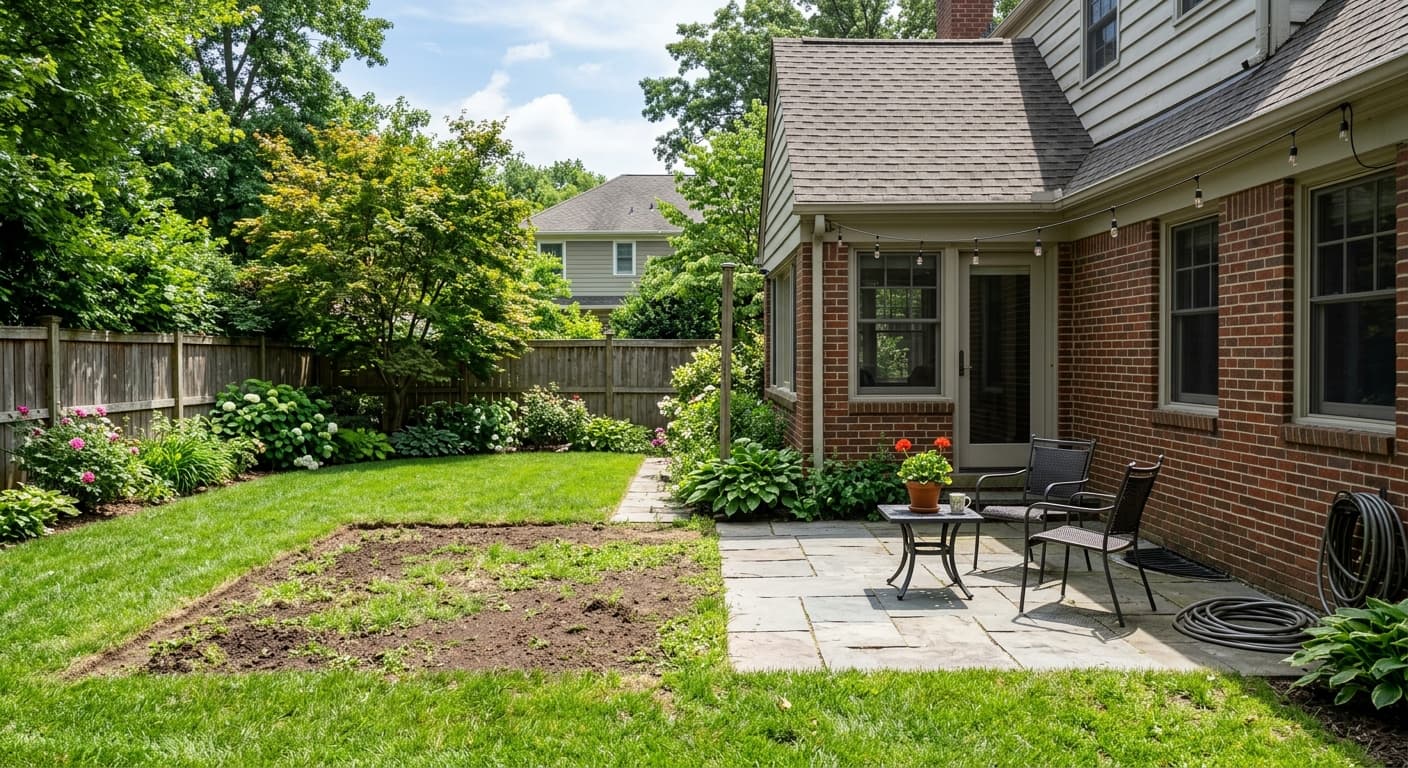
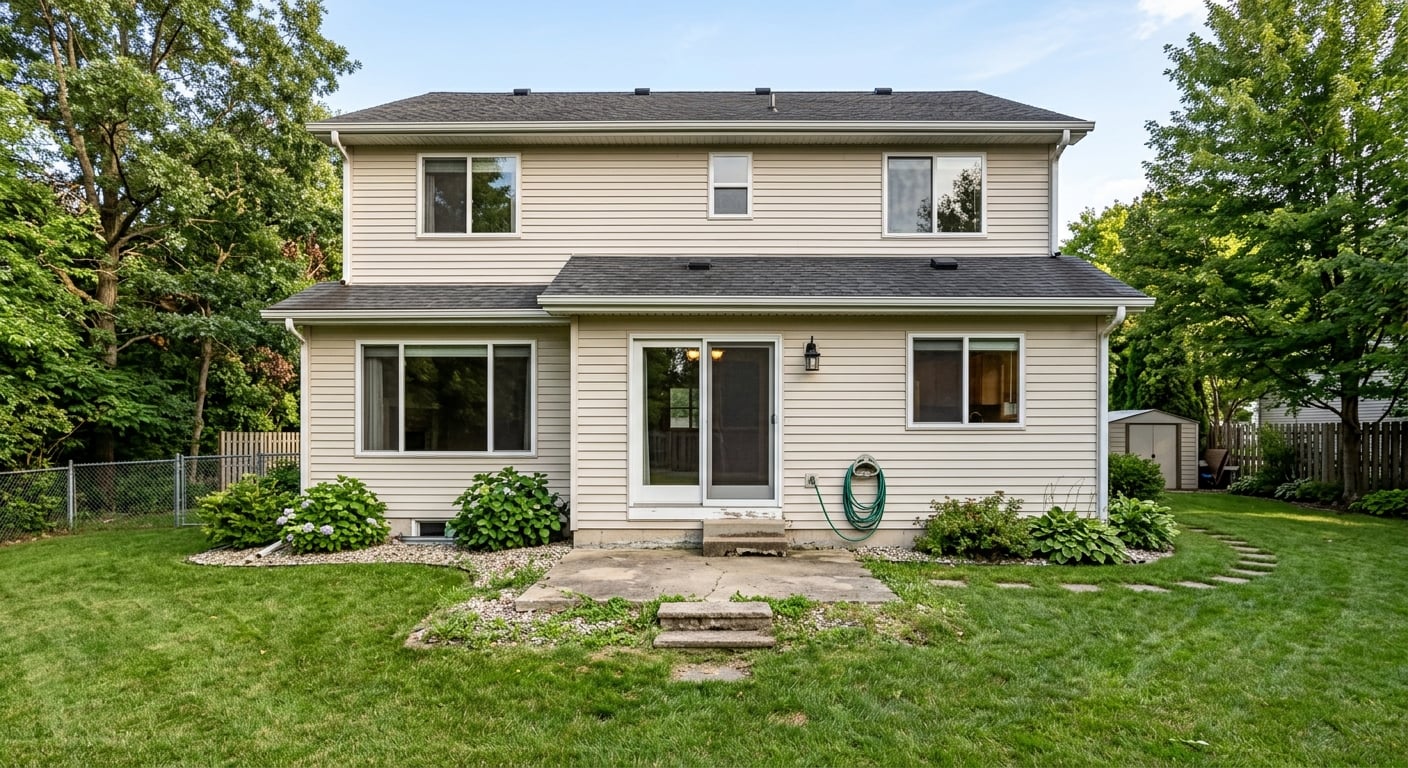
The Original Canvas
A limited hardscape footprint that restricts furniture placement, disrupts the flow of outdoor entertaining, and fails to maximize the backyard's potential square footage.
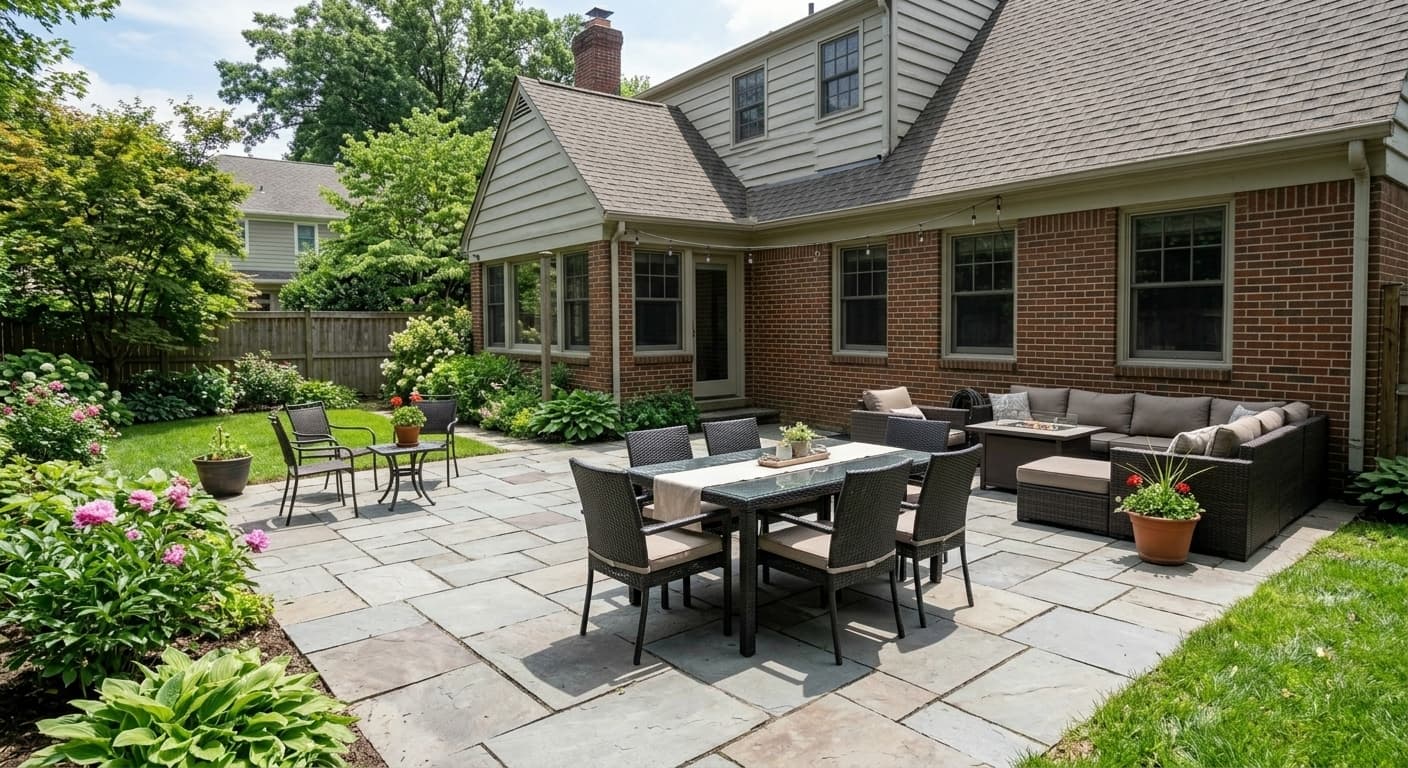
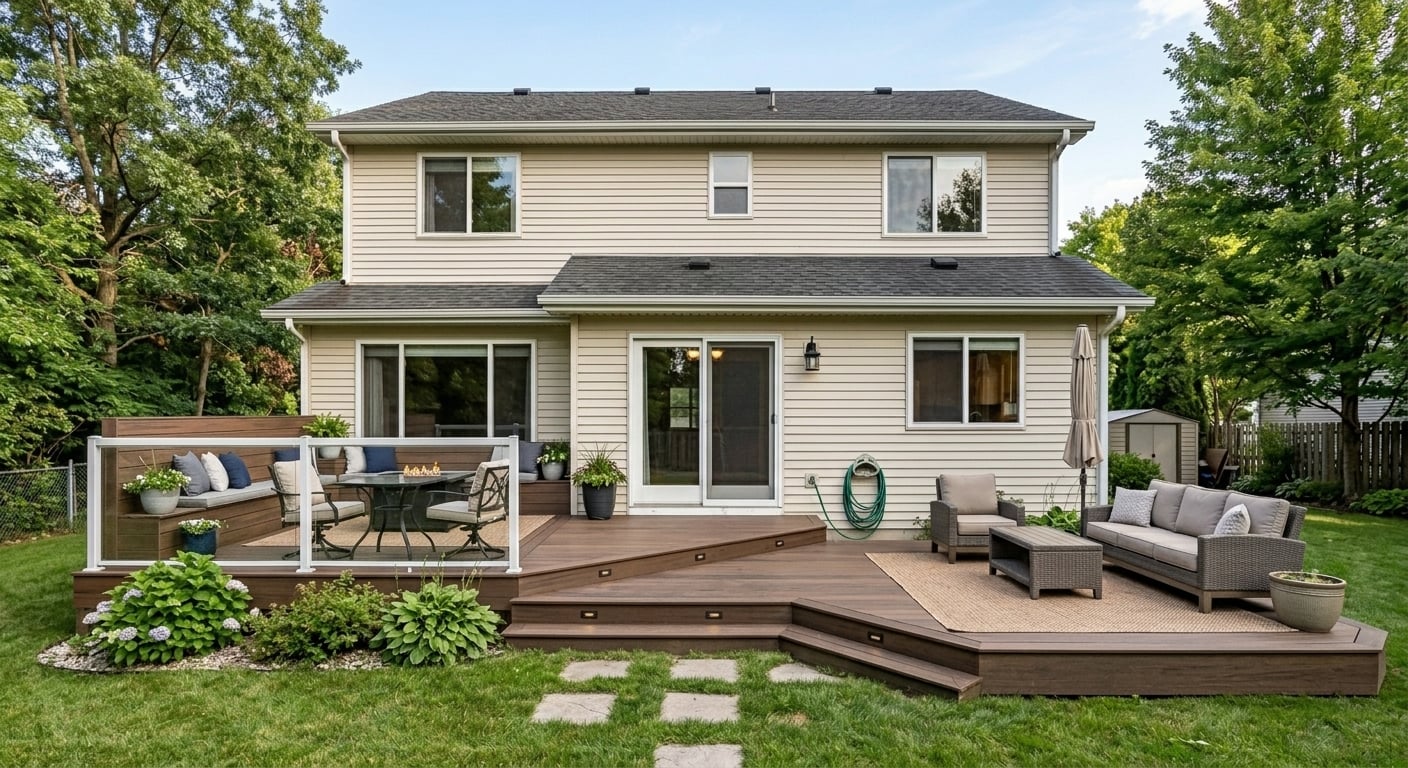
The Expanded Vision
A masterfully extended patio environment utilizing premium hardscaping materials, establishing distinct functional zones, and creating a harmonious transition into the natural landscape.
Elevating Your Estate: The Case for a Larger Patio
In contemporary residential architecture, the boundaries between the interior and exterior are becoming increasingly permeable. A backyard is no longer just a plot of grass; it is an extension of the home's floor plan. Expanding your patio serves as the foundational step in reclaiming this lost square footage.
A well-engineered patio extension resolves the spatial friction commonly experienced with builder-grade slabs. By pushing the boundaries of your hardscape outward, you instantly multiply your property's functional capacity. This architectural maneuver not only dramatically increases your home's resale value but fundamentally alters how you interact with your environment.
Defining Functional Micro-Zones
When utilizing AI-Architectures.com to plan your extension, you can visualize how a larger footprint allows for essential spatial zoning. A proper outdoor living space requires distinct areas:
- The Al Fresco Dining Sector: A structured, level area capable of housing an 8-to-10 seat dining table without impeding foot traffic.
- The Lounge & Conversation Pit: A relaxed zone, often centered around a focal point like a fire feature or an outdoor television.
- The Transitional Threshold: The architectural connective tissue where the hardscape bleeds into softscape, perhaps mediated by retaining walls, planters, or stepping stones.
Material Science: Selecting the Right Foundation for Your Extension
The structural integrity, aesthetic resonance, and maintenance profile of your expanded patio depend entirely on material selection. Our AI visualization engine meticulously renders light interaction, textural depth, and scale for the three primary hardscaping modalities.
Architectural Pavers
Pavers represent the pinnacle of modular landscape engineering. Manufactured to exact tolerances, they offer unparalleled versatility in design, from intricate herringbone patterns to sleek, large-format modern layouts.
- Exceptional load-bearing capacity.
- Permeable options available for superior drainage.
- Ease of localized repair without disrupting the entire slab.
Poured & Stamped Concrete
Concrete provides a monolithic, seamless aesthetic ideal for contemporary architecture. With modern stamping and coloring techniques, concrete can flawlessly mimic natural textures while providing a continuous, weed-free surface.
- Highly customizable through tints and stamping molds.
- Excellent for creating sweeping, curvilinear organic shapes.
- Requires strategic expansion joints to manage freeze-thaw cycles.
Natural Stone Hardscaping
For a timeless, organic integration with the earth, natural stone—such as flagstone, travertine, bluestone, or slate—is unmatched. Every cut is unique, ensuring a bespoke outdoor living space.
- Incomparable natural beauty and tonal variation.
- Travertine stays remarkably cool under direct sunlight.
- Blends harmoniously with rustic, Mediterranean, or traditional estates.
How AI-Architectures Transforms Landscape Planning
Historically, attempting to visualize a patio extension required immense imagination, costly architectural blueprints, or rudimentary 2D sketches that failed to capture perspective. AI-Architectures.com disrupts this archaic workflow.
By leveraging advanced generative models trained on millions of architectural and landscape parameters, our engine interprets your baseline space with astonishing accuracy. When you request a patio extension, the AI considers:
- Spatial Geometry: Ensuring the extended footprint aligns proportionally with the scale of the primary residence.
- Topographical Integration: Anticipating how a flat hardscape interacts with sloping lawns, necessitating retaining walls or multi-tiered terracing.
- Material Emulation: Calculating how sunlight interacts with the specific texture of concrete, the grout lines of pavers, or the natural cleft of stone throughout different times of the day.
- Biophilic Continuity: Blending the inert hardscape materials with living softscapes—suggesting planter box placements, turf borders, and peripheral plantings.
This predictive visualization empowers homeowners and landscape architects alike to iterate rapidly, confidently settling on a design that maximizes outdoor living space before a single shovel strikes the earth.
Crucial Architectural Considerations for Expanding Your Patio
While visualizing your new, larger patio is the first thrilling step, transitioning from AI render to physical construction requires strict adherence to landscape engineering principles. Ensure your contractor addresses the following:
1. Topography, Grading, and Drainage
Extending your patio alters the natural watershed of your property. Hard surfaces are impervious. To prevent hydrostatic pressure against your home's foundation, the extended patio must be graded with a precise slope (typically a minimum of 1/8 to 1/4 inch per foot away from the structure). Depending on the footprint, integrated trench drains or French drain systems may need to be visualized and implemented.
2. Sub-Base Preparation
A patio is only as resilient as the ground beneath it. Merely laying pavers or pouring concrete over topsoil guarantees structural failure. A larger patio extension demands deep excavation, application of geotextile fabrics, and heavily compacted layers of aggregate base rock to ensure long-term stability against settling and frost heave.
3. Seamless Transitions and Elevations
If you are marrying a new extension to an existing patio slab, achieving a flush, seamless transition is paramount. In scenarios where the yard slopes aggressively, a single massive slab may not be viable. Here, our AI visualizer can help you explore multi-level patio designs, utilizing stone-veneered steps and retaining walls to elegantly step the living space down the grade.