The Untapped Potential Above You: Mastering the Attic Remodel
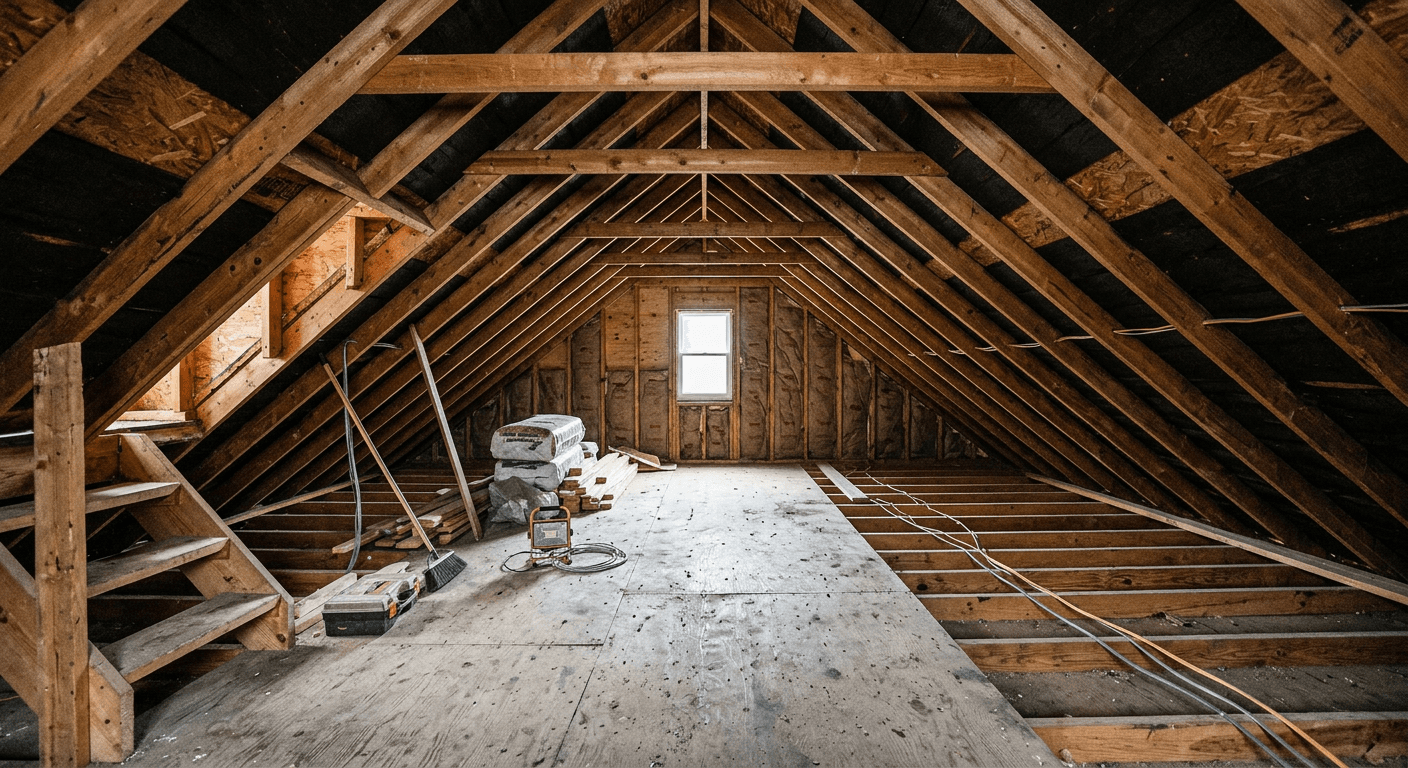
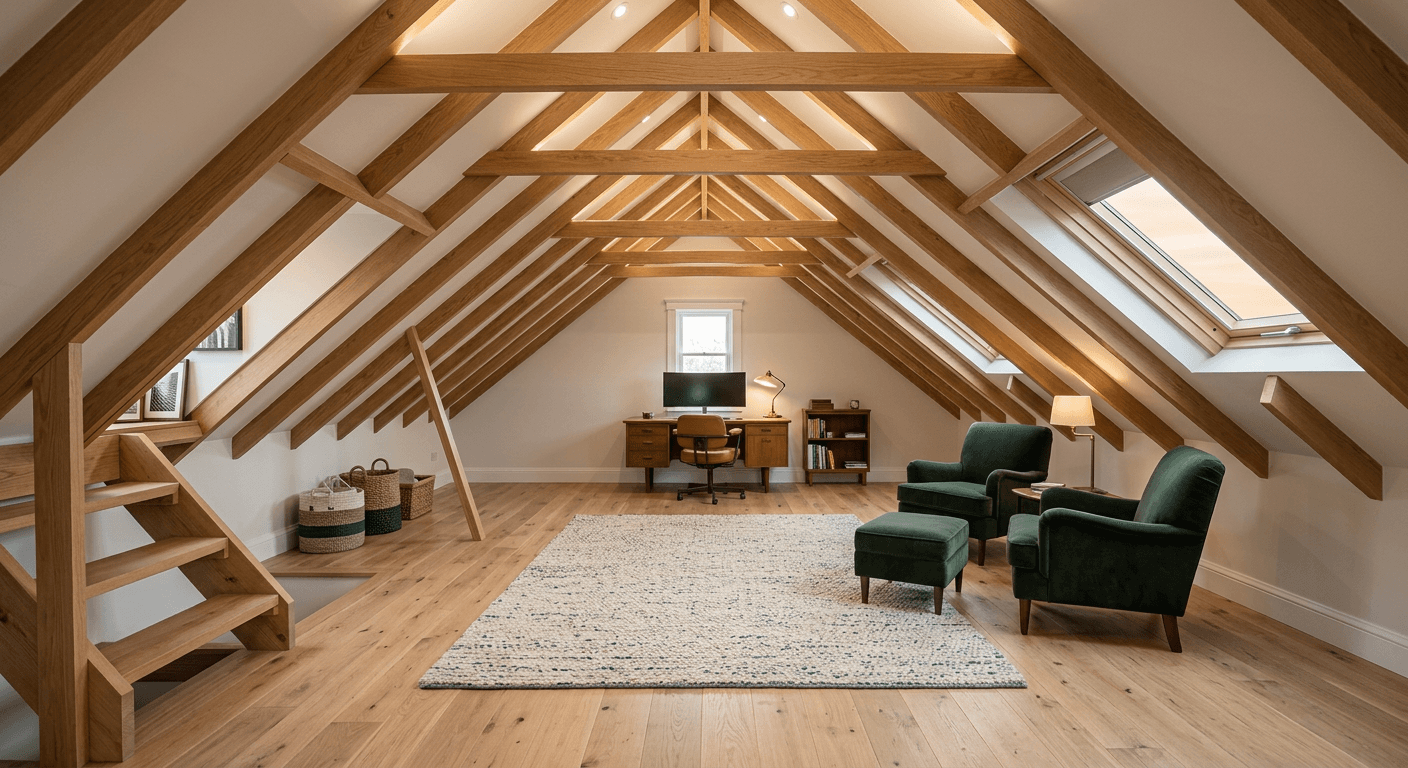
For decades, attics have been relegated to the role of glorified storage units—dark, dusty repositories for holiday decorations and forgotten heirlooms. But in the era of modern architectural visualization, brought to life by ai-architectures.com, the attic represents the highest return-on-investment potential of any home renovation. By visualizing dormers, skylights, and finished spaces, you can reclaim hundreds of square feet of livable space without altering your home's fundamental footprint.
Architectural Elements That Define an Attic Conversion
Transforming a sloped-ceiling space requires an understanding of volume, light, and geometry. Our AI rendering tools instantly calculate how these specific architectural additions alter the feel of your room:
The Magic of Dormers
A dormer is a structural element that projects vertically from a sloping roof. Whether you choose a gable, shed, or hipped dormer, visualizing this addition is crucial. Dormers radically increase walkable floor space and headroom, turning a cramped apex into a sprawling, functional suite.
Strategic Skylights
Attics suffer from a lack of perimeter wall space for traditional windows. Operable skylights and roof windows bathe the finished space in natural zenithal light. Visualizing the trajectory of sunlight through your new skylights helps establish the optimal placement for desks or beds.
Knee Walls & Built-ins
The low-clearance areas where the roof meets the floor are known as knee walls. Instead of dead space, our AI models illustrate how custom cabinetry, built-in bookshelves, or hidden storage compartments can be integrated seamlessly into these challenging architectural angles.
HVAC & Structural Flow
Aesthetics must meet engineering. AI-Architectures helps you visualize the placement of mini-split systems, exposed ductwork, or collar ties. Knowing exactly how these elements look before swinging a hammer saves significant remodeling costs.
Designing Your Use-Case: Bedroom, Office, or Bonus Room
The versatility of an attic remodel is boundless. When utilizing ai-architectures.com to prototype your ideas, consider the specific function of the room to dictate its design parameters:
- 1The Luxury Master SuiteVisualize a tranquil retreat separated from the chaos of the main house. Vaulted ceilings clad in shiplap or beadboard create a cottage feel, while a dormer extension provides the necessary height for an en-suite bathroom featuring a freestanding soaking tub beneath a skylight.
- 2The Ultimate Home OfficeRemote work demands a dedicated, distraction-free environment. An attic office benefits tremendously from natural light. Generate renderings showing built-in desks along the gable ends, using the angled roof lines to create acoustically sound, deeply focused workspaces.
- 3The Multipurpose Bonus RoomWhether it's a home theater, a playroom, or a yoga studio, open-concept attic designs thrive here. By seeing the finished space visually through AI, you can properly gauge scale—ensuring your sectional sofa or billiard table fits perfectly between the roof trusses.
Why AI Architectures is Revolutionizing Attic Remodels
Traditionally, visualizing an attic conversion meant relying on flat 2D blueprints or paying thousands of dollars for a single 3D render from a design firm. You were forced to gamble on how the pitch of the roof would actually feel once the drywall was hung.
ai-architectures.com shifts this paradigm entirely. By processing your rough attic photos, our advanced neural networks understand depth, structural constraints, and lighting behavior. Within seconds, you receive photorealistic representations of your finished space. You can iterate through Scandinavian minimalism, rustic farmhouse beams, or sleek modernism without spending a single dollar on materials.
Navigating the Complexities: Codes, Insulation, and Access
As you finalize the visual aesthetics of your beautiful new bonus room, our platform also helps you conceptualize the structural necessities required by local building codes. An attic remodel must adhere to strict guidelines regarding the "Rule of 7s" (typically requiring at least half of the finished floor area to have a ceiling height of 7 feet or more).
Furthermore, visualizing the integration of a compliant staircase rather than a pull-down ladder is critical. AI design allows you to see how a spiral staircase or a traditional switchback stairwell impacts both the attic and the floor below. Finally, spray foam insulation applied directly to the roof deck can be concealed behind beautifully rendered tongue-and-groove ceiling panels, maintaining climate control without sacrificing aesthetic volume.
— The AI-Architectures Design Team